About this artwork
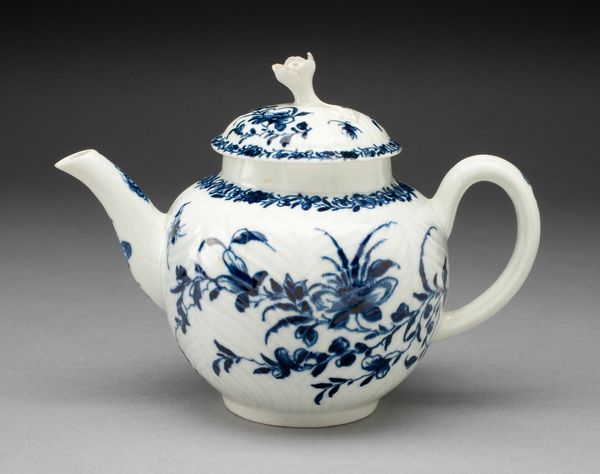
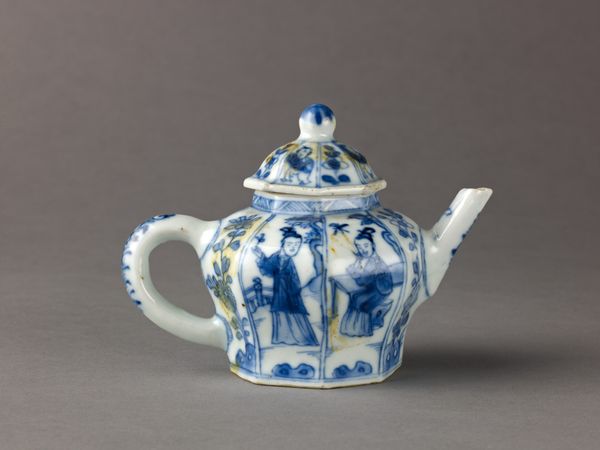
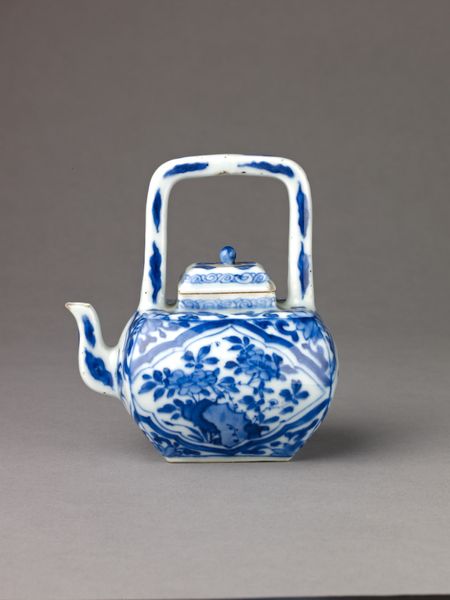
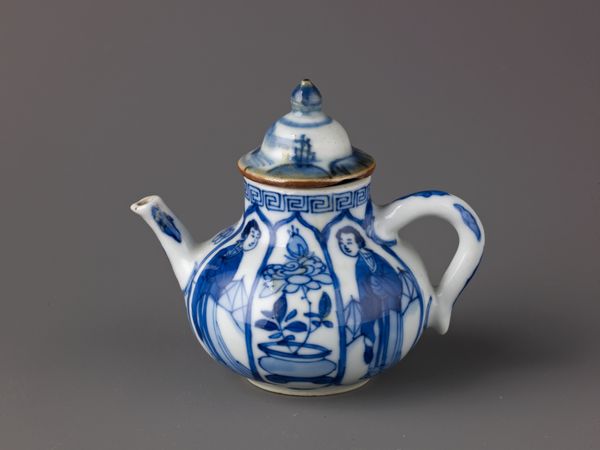
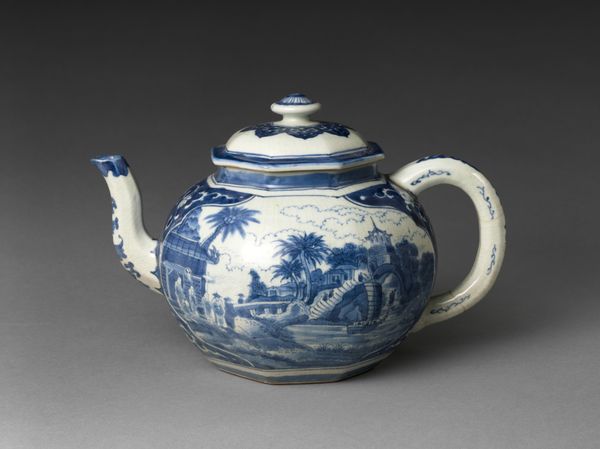
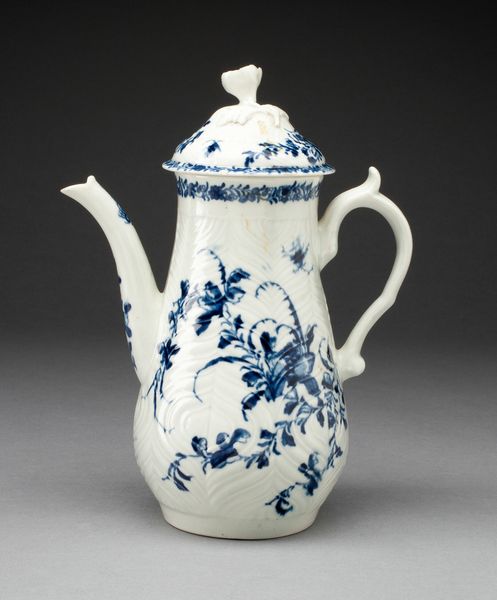
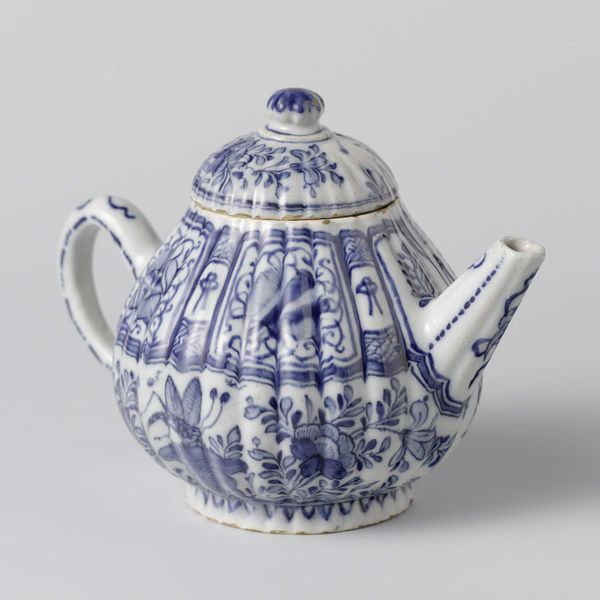
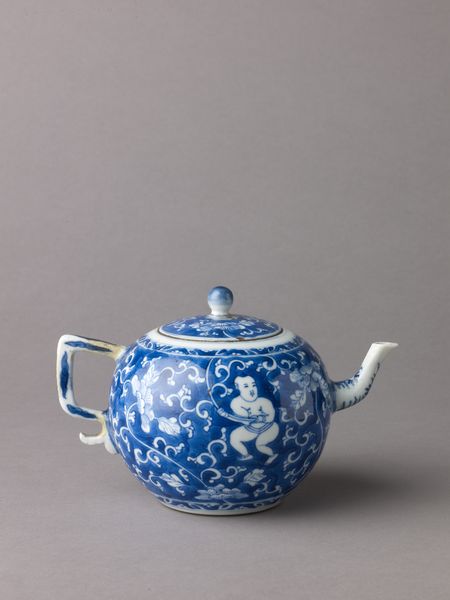
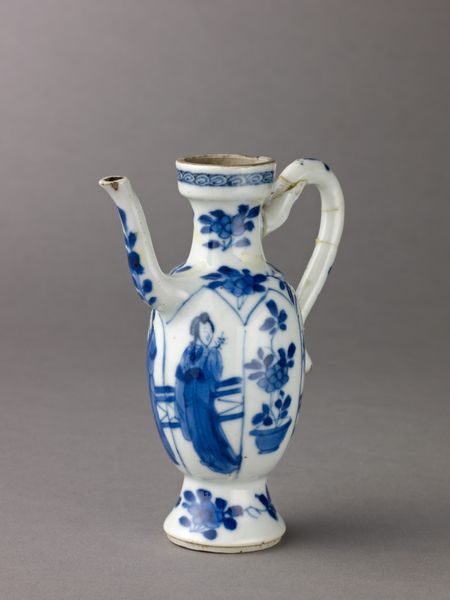
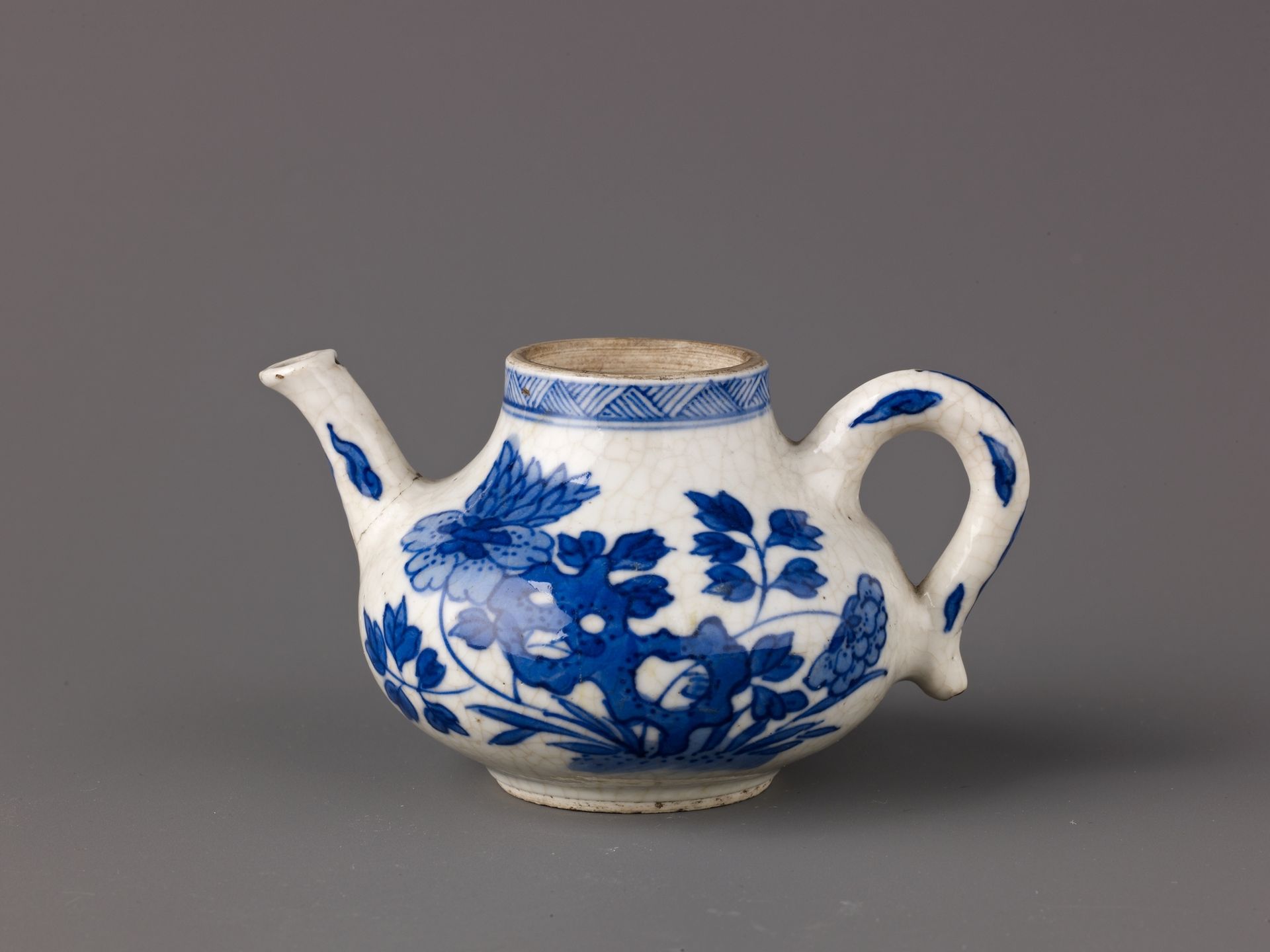
This small wine pot or teapot was made in China from porcelain. Porcelain is a refined type of ceramic made from a specific clay, fired at extremely high temperatures to create a translucent, durable material. The blue decoration, applied before firing, is characteristic of Chinese export wares. But if you look closely, you'll notice that the glaze is heavily crackled, revealing its age and history. The process of making porcelain, especially with such intricate decoration, involved a division of labor. Some workers prepared the clay, others shaped the pot, and still others painted the designs. This kind of specialized production allowed for both artistic expression and efficient output, meeting the demands of trade while upholding a rich tradition of craftsmanship. The value of the pot lies not only in its aesthetic appeal but also in the story of labor, skill, and cultural exchange. It prompts us to reconsider the boundaries between fine art and craft.
Small wine pot or teapot
1662 - 1722


Artwork details
- Medium
- ceramic
- Dimensions
- Height: 2 1/8 in. (5.4 cm.)
- Location
- Metropolitan Museum of Art, New York, NY
- Copyright
- Public Domain
Tags
Comments
Share your thoughts
About this artwork
This small wine pot or teapot was made in China from porcelain. Porcelain is a refined type of ceramic made from a specific clay, fired at extremely high temperatures to create a translucent, durable material. The blue decoration, applied before firing, is characteristic of Chinese export wares. But if you look closely, you'll notice that the glaze is heavily crackled, revealing its age and history. The process of making porcelain, especially with such intricate decoration, involved a division of labor. Some workers prepared the clay, others shaped the pot, and still others painted the designs. This kind of specialized production allowed for both artistic expression and efficient output, meeting the demands of trade while upholding a rich tradition of craftsmanship. The value of the pot lies not only in its aesthetic appeal but also in the story of labor, skill, and cultural exchange. It prompts us to reconsider the boundaries between fine art and craft.
Comments
Share your thoughts