About this artwork
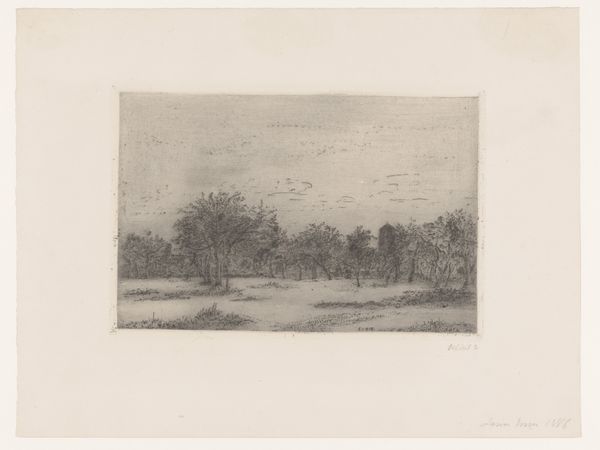
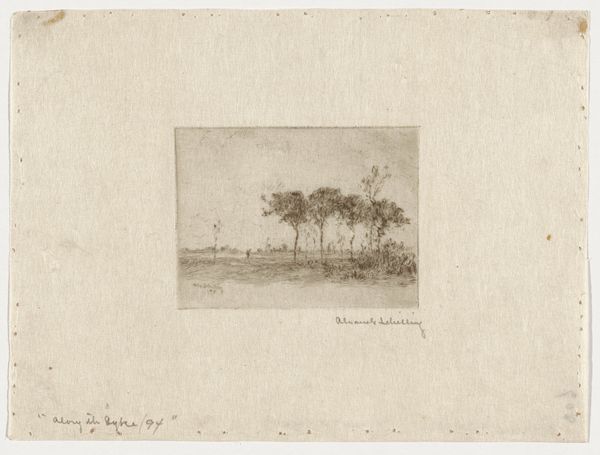
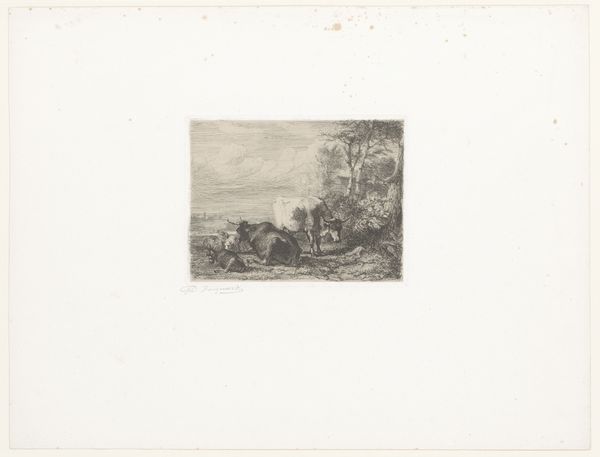
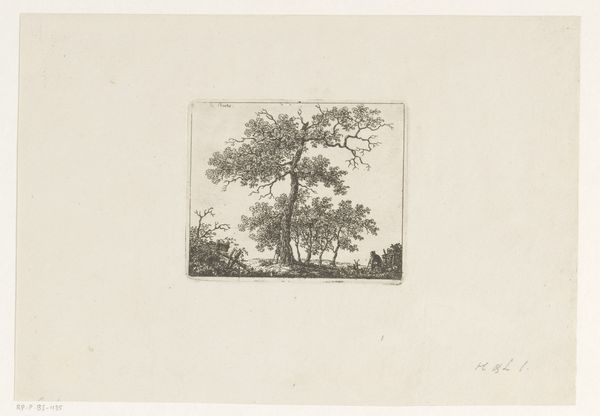
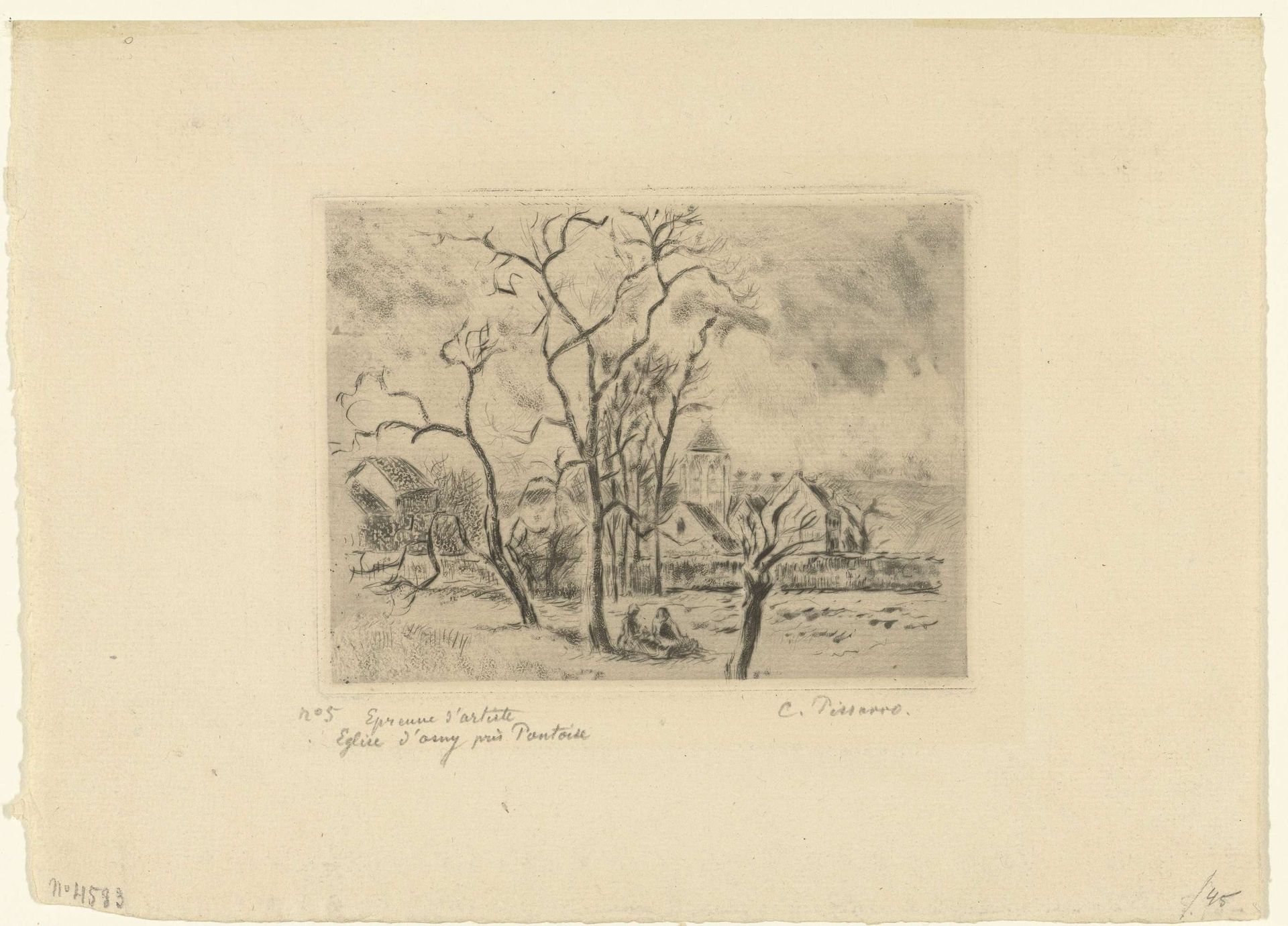
Camille Pissarro created this etching, "Kerk van Osny", using a drypoint needle to directly inscribe lines into a copper plate. Pissarro, of Jewish-French heritage, often felt like an outsider in Parisian society, a sentiment that perhaps attuned him to the nuances of everyday life in rural France. While he is known as one of the founding members of the Impressionist movement, he developed an interest in representing rural life. In this print, the scene of a church and village is observed by two resting figures in the foreground. Rendered in delicate lines, Pissarro captures a sense of quiet contemplation and an appreciation for the subtleties of nature. Pissarro wasn't interested in the grand narratives of academic painting; instead, he celebrated the dignity of everyday existence. “It is only by drawing often, drawing everything, drawing incessantly, that one fine day you discover to your surprise that you have rendered something in its true character.” Pissarro’s artwork invites viewers to find beauty in the understated and to reflect on the intersection of personal experience and the natural world.

Artwork details
- Medium
- drawing, print, etching, paper
- Dimensions
- height 120 mm, width 160 mm, height 218 mm, width 298 mm
- Copyright
- Rijks Museum: Open Domain
Tags
drawing
impressionism
etching
landscape
figuration
paper
cityscape
Comments
No comments
About this artwork
Camille Pissarro created this etching, "Kerk van Osny", using a drypoint needle to directly inscribe lines into a copper plate. Pissarro, of Jewish-French heritage, often felt like an outsider in Parisian society, a sentiment that perhaps attuned him to the nuances of everyday life in rural France. While he is known as one of the founding members of the Impressionist movement, he developed an interest in representing rural life. In this print, the scene of a church and village is observed by two resting figures in the foreground. Rendered in delicate lines, Pissarro captures a sense of quiet contemplation and an appreciation for the subtleties of nature. Pissarro wasn't interested in the grand narratives of academic painting; instead, he celebrated the dignity of everyday existence. “It is only by drawing often, drawing everything, drawing incessantly, that one fine day you discover to your surprise that you have rendered something in its true character.” Pissarro’s artwork invites viewers to find beauty in the understated and to reflect on the intersection of personal experience and the natural world.
Comments
No comments