About this artwork
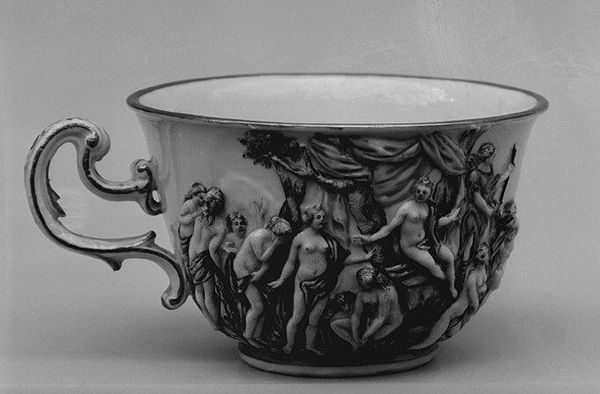
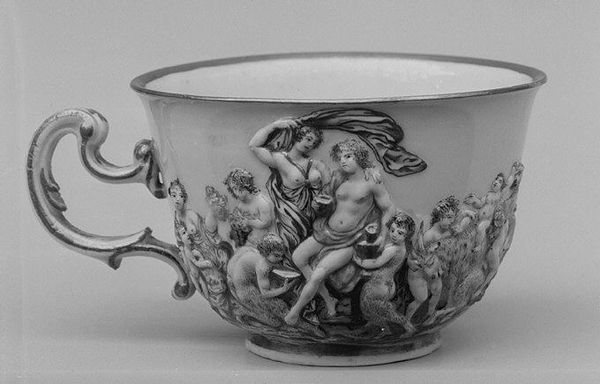
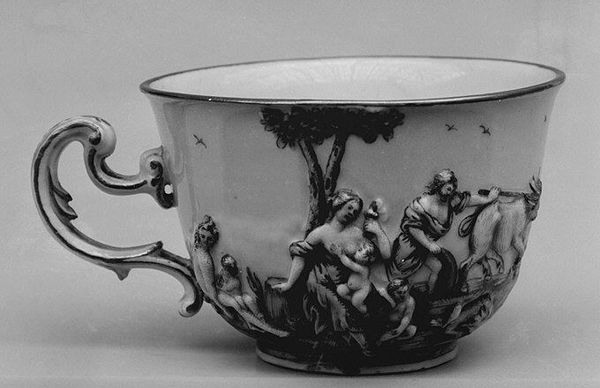
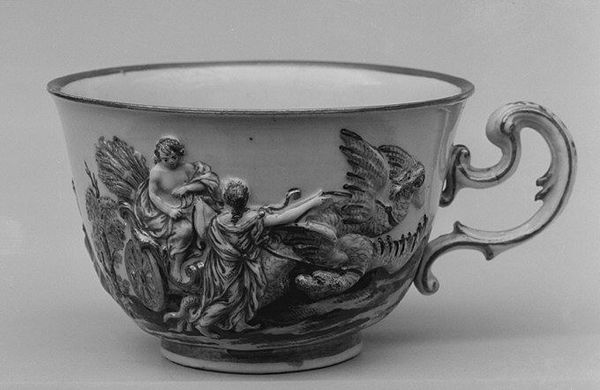
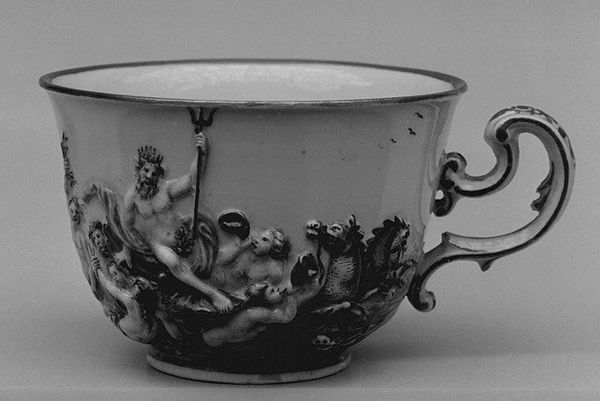
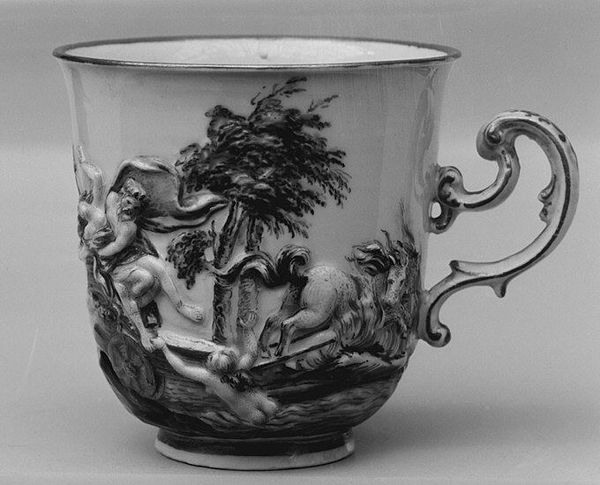
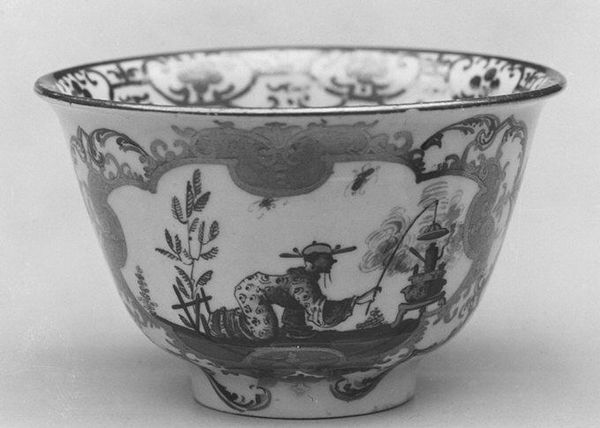
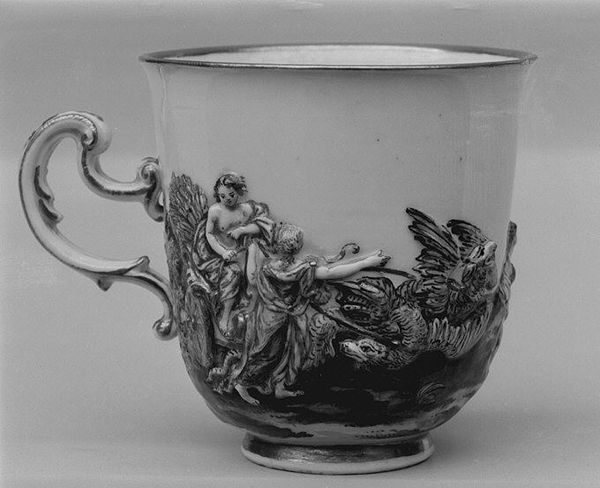
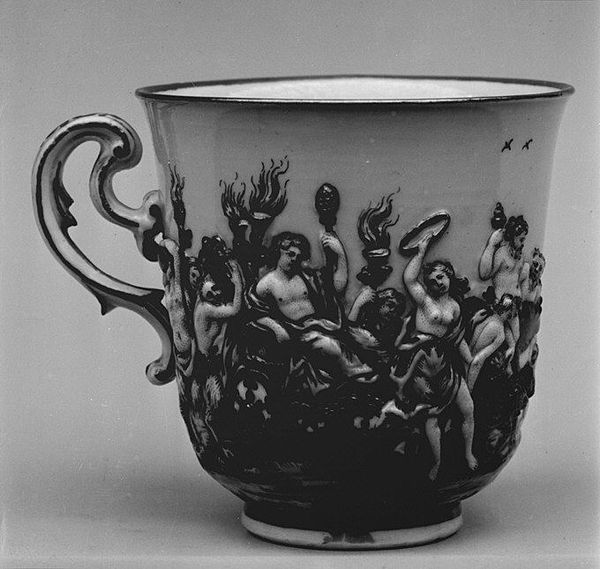
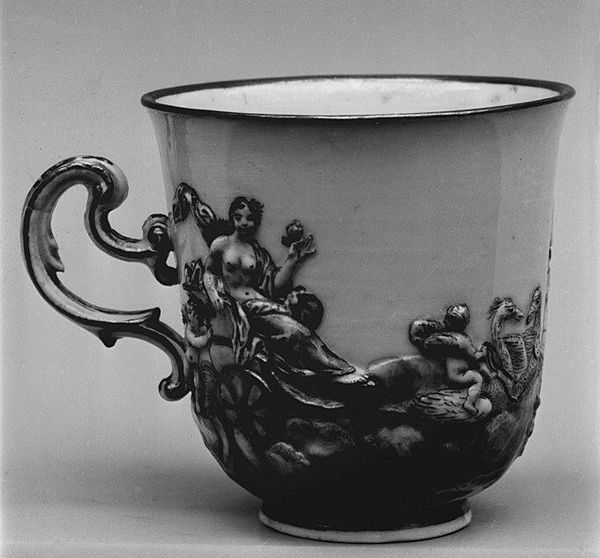
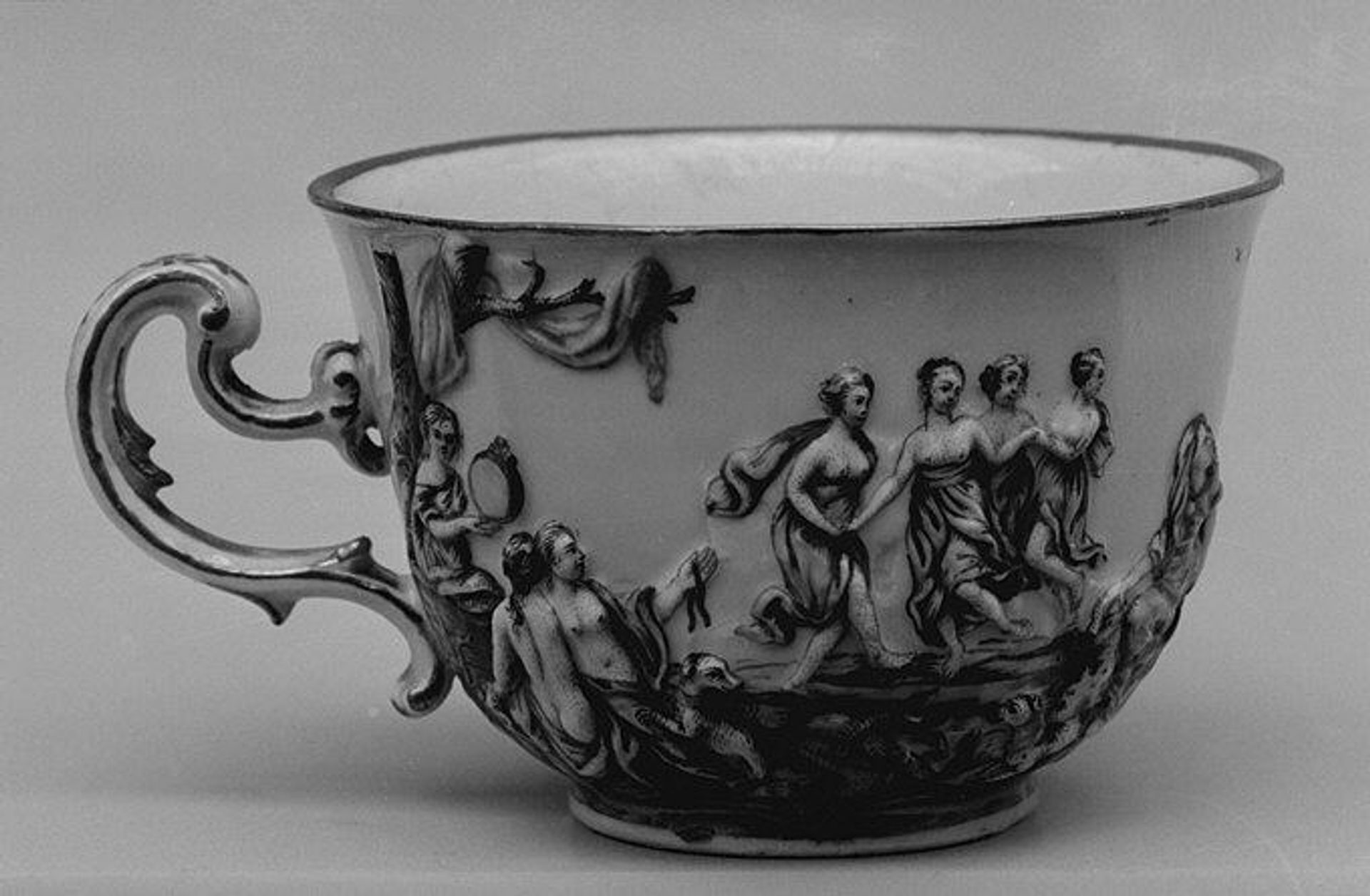
This delicate teacup was made by the Doccia Porcelain Manufactory in Italy, sometime between 1737 and 1896. It’s part of a larger service of tableware, intended for elite consumption. The applied decoration takes its cue from ancient Greco-Roman art. We see classically draped women in procession. The pursuit of these classical styles was part of a wider cultural movement amongst the wealthy in eighteenth-century Europe. These people self-consciously evoked the values and tastes of the ancient world as a way of demonstrating their own refinement and education. The manufactory itself was founded by a nobleman, who wanted to create a local industry capable of competing with the famous porcelain producers of Germany and France. Looking at an object like this, a social historian might want to know more about the specific scene being represented, the sources of inspiration used by the artists, and the social networks that enabled the production and consumption of luxury goods.
Tea cup (part of a service)
1755 - 1765

Doccia Porcelain Manufactory
1737 - 1896
The Metropolitan Museum of Art
Metropolitan Museum of Art, New York, NYArtwork details
- Medium
- ceramic, porcelain, sculpture
- Dimensions
- H. 2 1/8 in. (5.4 cm.); Diam. 3 1/8 in. (7.9 cm.)
- Location
- Metropolitan Museum of Art, New York, NY
- Copyright
- Public Domain
Tags
Comments
Share your thoughts
About this artwork
This delicate teacup was made by the Doccia Porcelain Manufactory in Italy, sometime between 1737 and 1896. It’s part of a larger service of tableware, intended for elite consumption. The applied decoration takes its cue from ancient Greco-Roman art. We see classically draped women in procession. The pursuit of these classical styles was part of a wider cultural movement amongst the wealthy in eighteenth-century Europe. These people self-consciously evoked the values and tastes of the ancient world as a way of demonstrating their own refinement and education. The manufactory itself was founded by a nobleman, who wanted to create a local industry capable of competing with the famous porcelain producers of Germany and France. Looking at an object like this, a social historian might want to know more about the specific scene being represented, the sources of inspiration used by the artists, and the social networks that enabled the production and consumption of luxury goods.
Comments
Share your thoughts