About this artwork
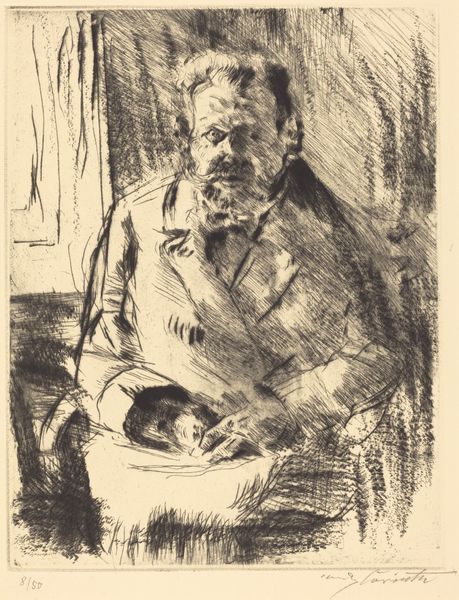
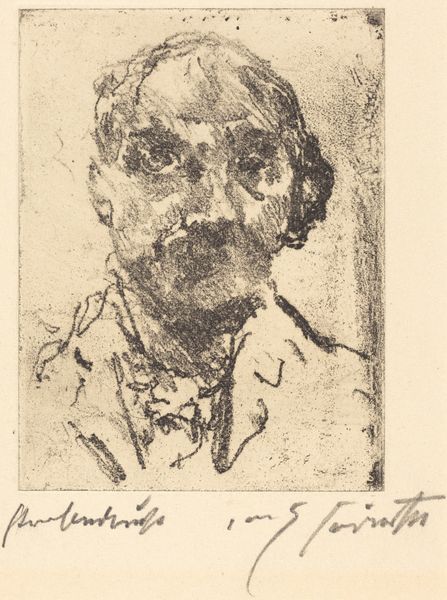
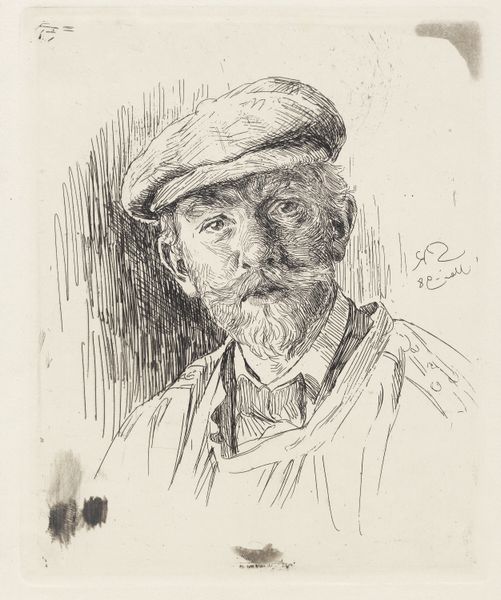
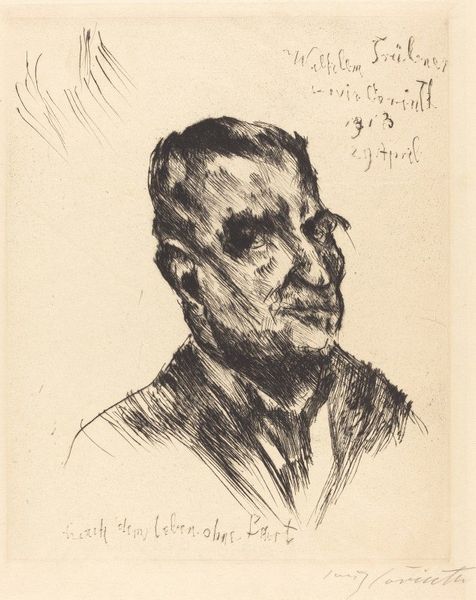
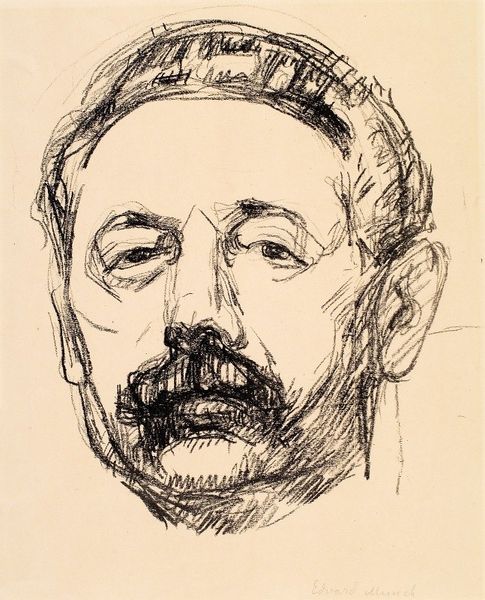
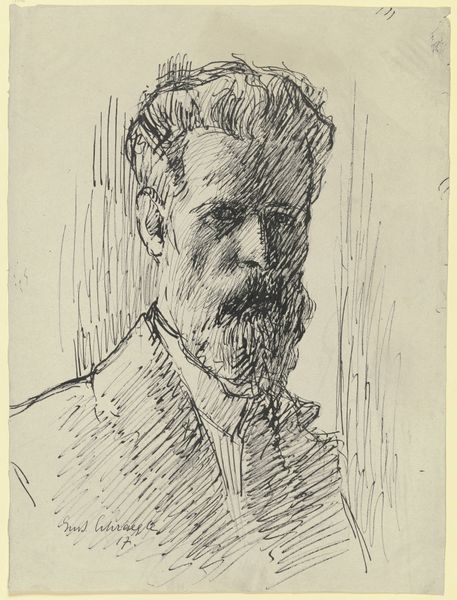
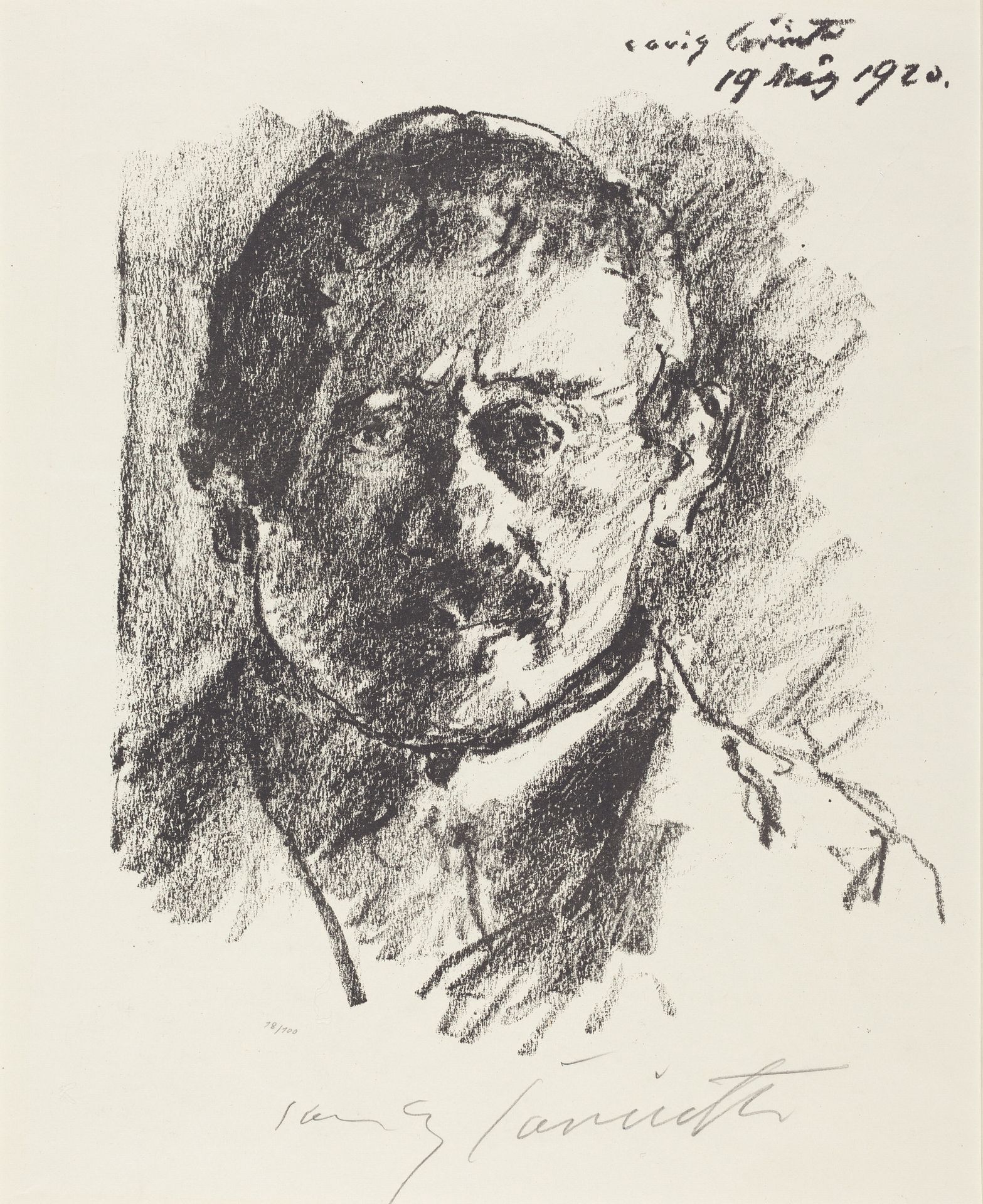
Lovis Corinth made this self-portrait, sometime in 1920, using what looks like charcoal or graphite. The strokes are so immediate, so raw; you can feel his hand moving across the page. It's like he’s wrestling with his own image. The face emerges from a mess of lines, and it’s those lines that give the piece its power. Look at the way he renders the shadows around his eyes – so much weight there, so much history etched into those marks. It’s not just a likeness; it’s a record of a process. A process of looking, feeling, and trying to capture something elusive. You know, when I see this, I can't help but think of Schiele, another artist who wasn't afraid to lay bare his soul on paper. But where Schiele is all sharp angles and nervous energy, Corinth is more grounded, more world-weary. There's something deeply human about it, something that resonates across time. It reminds us that art isn't about perfection, it's about the messy, beautiful struggle to make sense of the world.
Selbstbildnis (Self-Portrait) 1920


Artwork details
- Medium
- drawing, print, graphite
- Dimensions
- image: 29 × 25 cm (11 7/16 × 9 13/16 in.)
- Copyright
- National Gallery of Art: CC0 1.0
Tags
portrait
drawing
self-portrait
pen sketch
pencil sketch
german-expressionism
pencil drawing
expressionism
graphite
portrait drawing
realism
Comments
No comments
About this artwork
Lovis Corinth made this self-portrait, sometime in 1920, using what looks like charcoal or graphite. The strokes are so immediate, so raw; you can feel his hand moving across the page. It's like he’s wrestling with his own image. The face emerges from a mess of lines, and it’s those lines that give the piece its power. Look at the way he renders the shadows around his eyes – so much weight there, so much history etched into those marks. It’s not just a likeness; it’s a record of a process. A process of looking, feeling, and trying to capture something elusive. You know, when I see this, I can't help but think of Schiele, another artist who wasn't afraid to lay bare his soul on paper. But where Schiele is all sharp angles and nervous energy, Corinth is more grounded, more world-weary. There's something deeply human about it, something that resonates across time. It reminds us that art isn't about perfection, it's about the messy, beautiful struggle to make sense of the world.
Comments
No comments