About this artwork
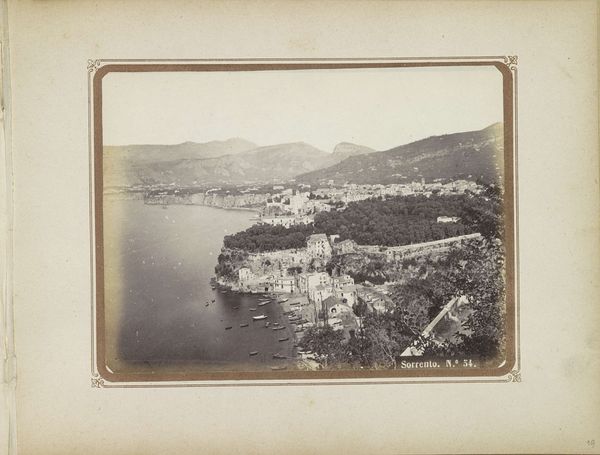
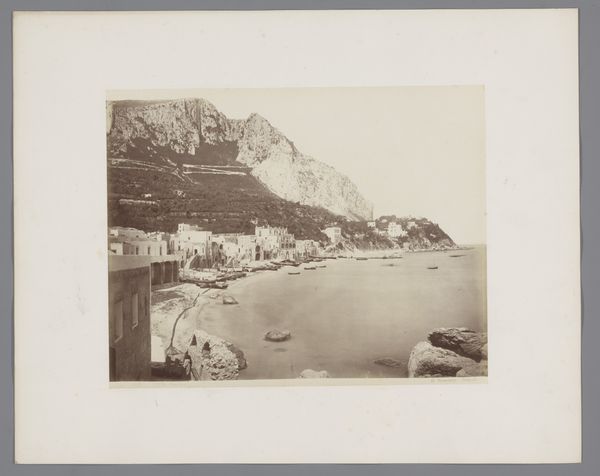
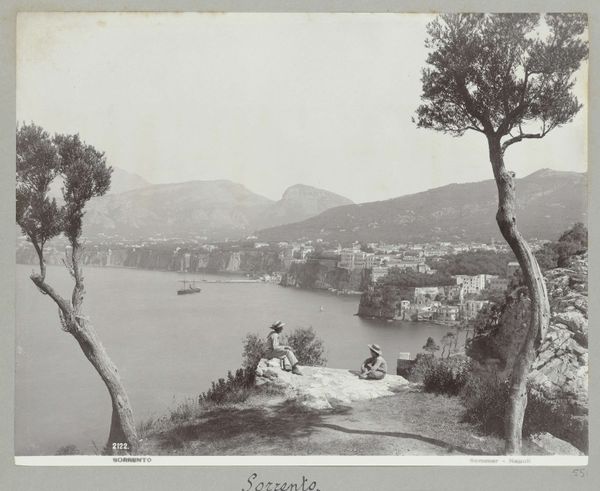
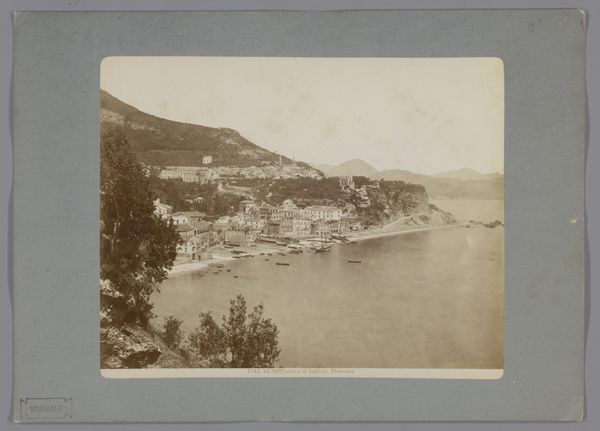
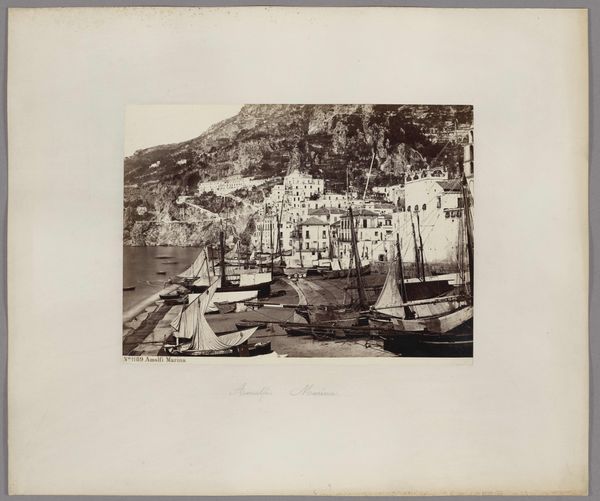
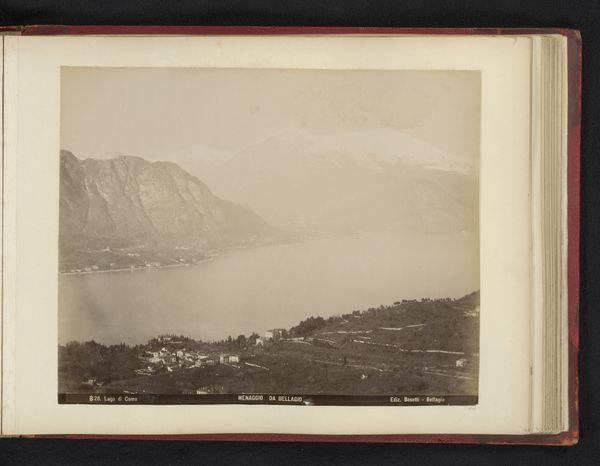
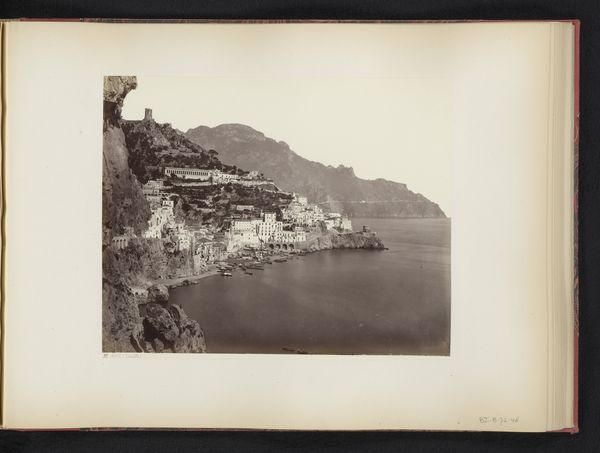
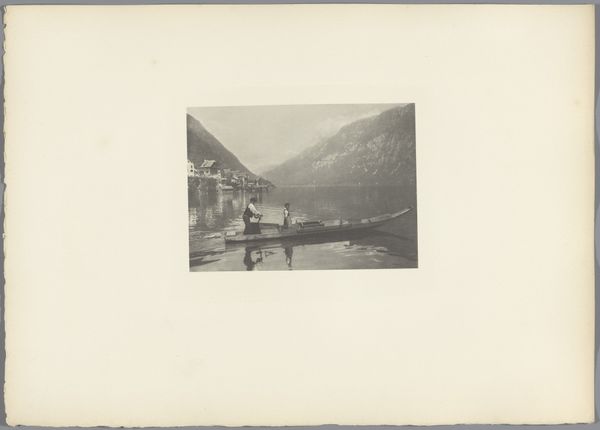
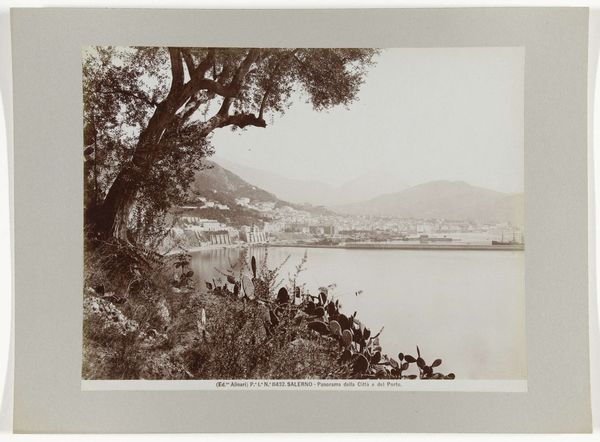
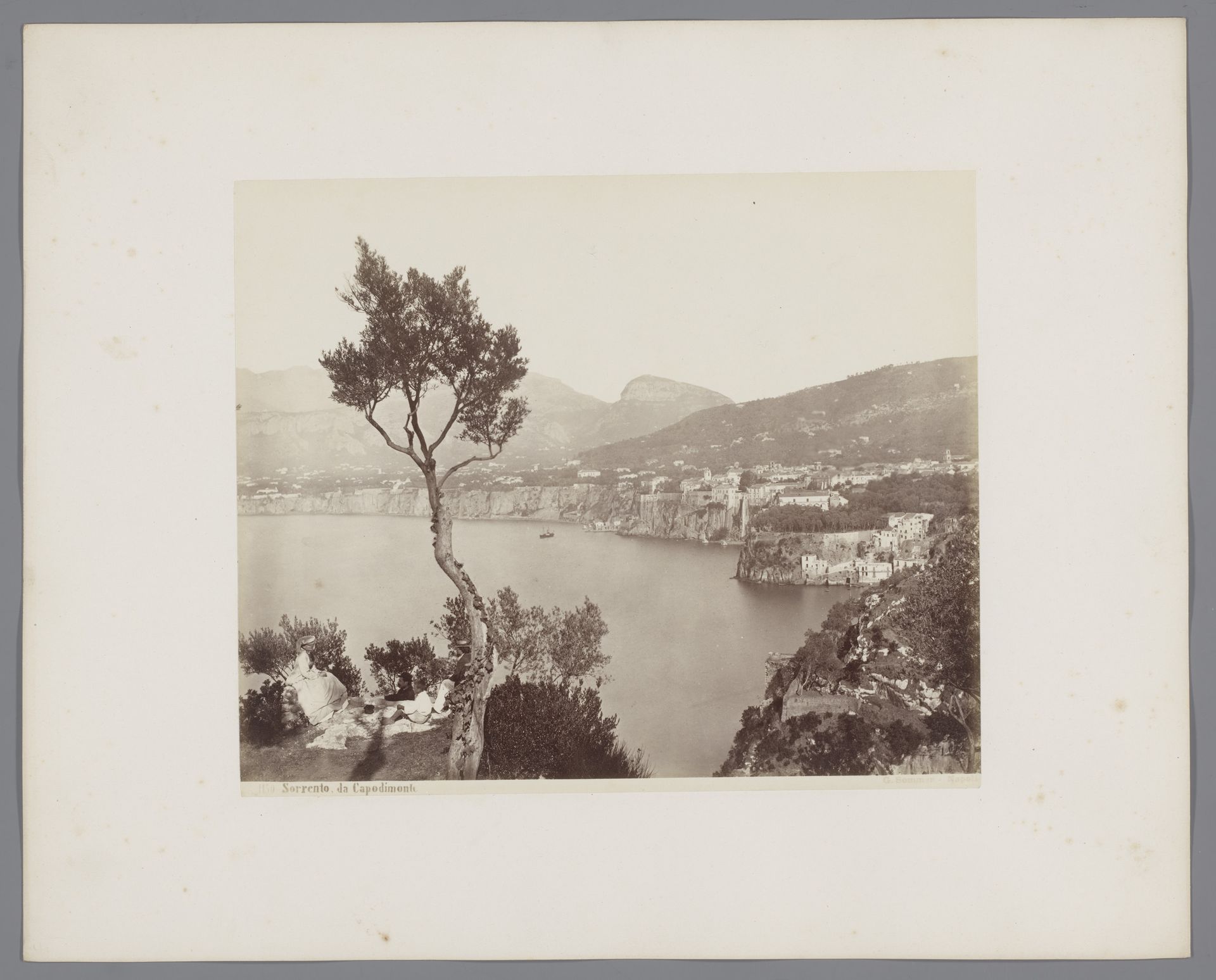
Giorgio Sommer captured ‘Gezicht op Sorrento en de baai, Italië’ with a camera, at a time when photography was both a scientific tool and an emerging art form. Sommer, a German photographer who established himself in Italy, catered to the burgeoning tourist industry. His work invites us to consider the gaze of the 19th-century traveler—often affluent, white Europeans—seeking picturesque views and romantic landscapes. Sorrento, with its stunning bay, became a sought-after destination, embodying classical beauty for those who had the means to experience it. Yet, such images often obscure the labor and lives of the local population, who served as the backdrop for these idyllic scenes. Sommer's composition maintains traditional representations, framing nature as a serene escape, while the social complexities of the region remain unseen. Consider how travel and leisure are intertwined with privilege and how our own perspectives shape what we see and value in a landscape.
Gezicht op Sorrento en de baai, Italië
1865 - 1870

Giorgio Sommer
1834 - 1914Location
RijksmuseumArtwork details
- Dimensions
- height 311 mm, width 385 mm
- Location
- Rijksmuseum
- Copyright
- Rijks Museum: Open Domain
Comments
Share your thoughts
About this artwork
Giorgio Sommer captured ‘Gezicht op Sorrento en de baai, Italië’ with a camera, at a time when photography was both a scientific tool and an emerging art form. Sommer, a German photographer who established himself in Italy, catered to the burgeoning tourist industry. His work invites us to consider the gaze of the 19th-century traveler—often affluent, white Europeans—seeking picturesque views and romantic landscapes. Sorrento, with its stunning bay, became a sought-after destination, embodying classical beauty for those who had the means to experience it. Yet, such images often obscure the labor and lives of the local population, who served as the backdrop for these idyllic scenes. Sommer's composition maintains traditional representations, framing nature as a serene escape, while the social complexities of the region remain unseen. Consider how travel and leisure are intertwined with privilege and how our own perspectives shape what we see and value in a landscape.
Comments
Share your thoughts