About this artwork
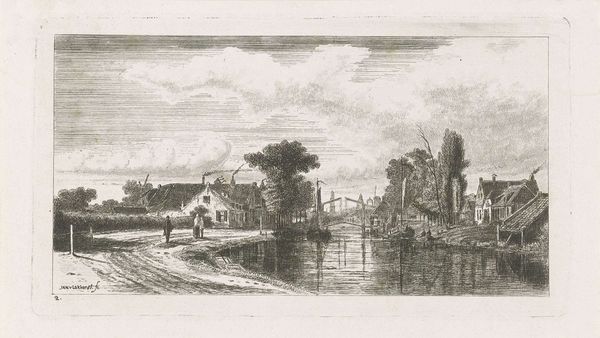
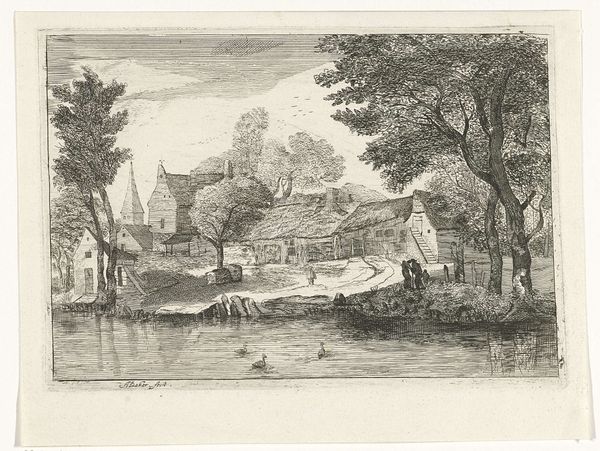
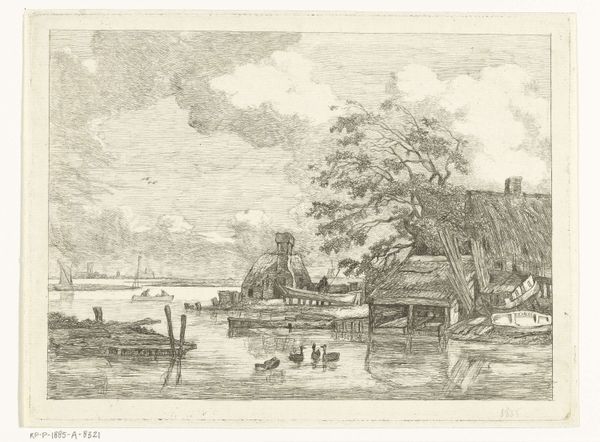
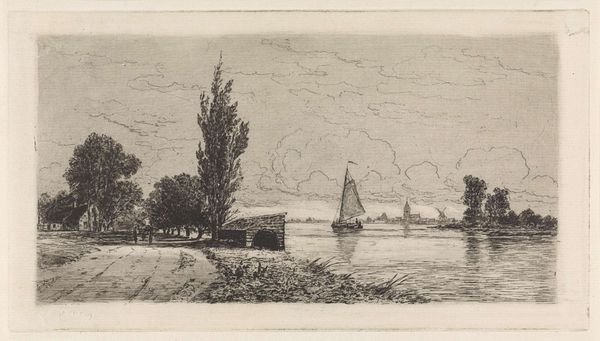
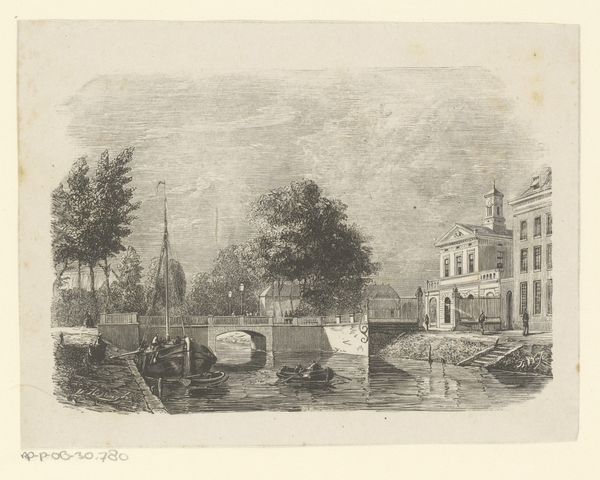
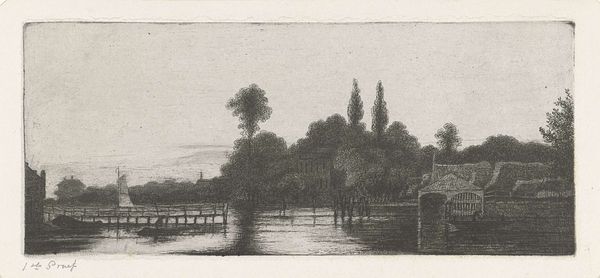
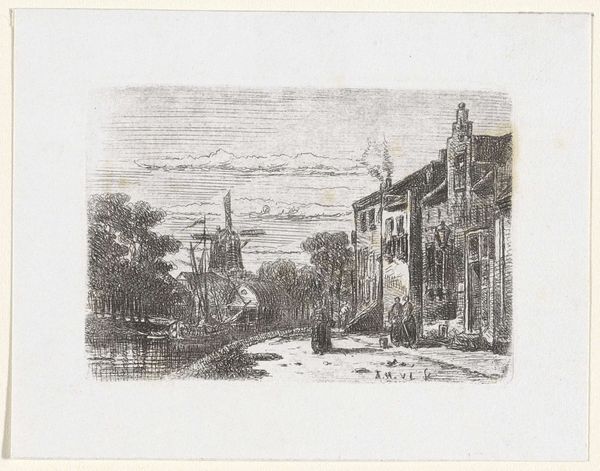
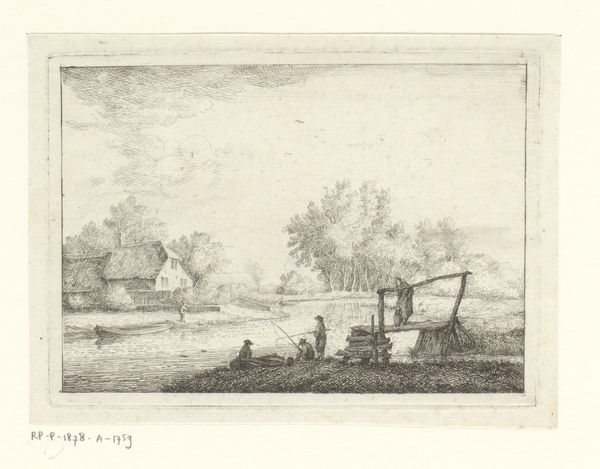
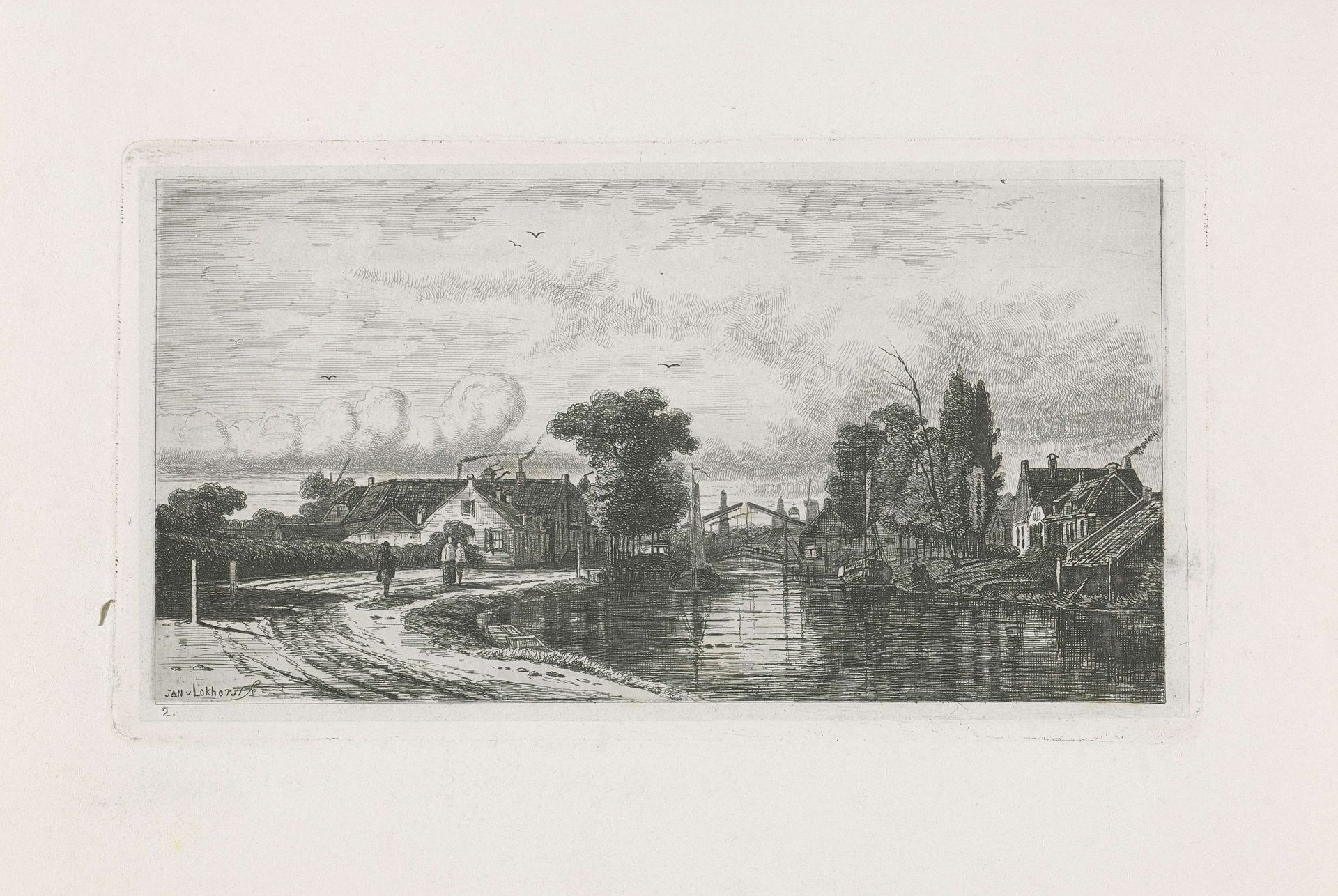
Jan van Lokhorst created this landscape with a drawbridge using etching. It shows us how the Dutch countryside was changing in the 19th century. Through the use of a muted palette, Lokhorst captures a moment in time, but also evokes a sense of timelessness and nostalgia. The image creates meaning through visual codes, cultural references, and historical associations. Made in the Netherlands, it reflects the country's unique relationship with water and land. The drawbridge, a crucial piece of infrastructure, represents the intersection of nature and human engineering. It speaks to the Dutch mastery of water management, but also to the ongoing transformation of the landscape through industrialization. Was Lokhorst perhaps critiquing the institutions of art? To better understand Lokhorst's vision, we can consult period maps, engineering reports, and cultural histories. These sources help us understand the social and institutional context that shaped this seemingly simple landscape.

Artwork details
- Medium
- print, etching
- Dimensions
- height 105 mm, width 191 mm
- Copyright
- Rijks Museum: Open Domain
Tags
Comments
Share your thoughts
About this artwork
Jan van Lokhorst created this landscape with a drawbridge using etching. It shows us how the Dutch countryside was changing in the 19th century. Through the use of a muted palette, Lokhorst captures a moment in time, but also evokes a sense of timelessness and nostalgia. The image creates meaning through visual codes, cultural references, and historical associations. Made in the Netherlands, it reflects the country's unique relationship with water and land. The drawbridge, a crucial piece of infrastructure, represents the intersection of nature and human engineering. It speaks to the Dutch mastery of water management, but also to the ongoing transformation of the landscape through industrialization. Was Lokhorst perhaps critiquing the institutions of art? To better understand Lokhorst's vision, we can consult period maps, engineering reports, and cultural histories. These sources help us understand the social and institutional context that shaped this seemingly simple landscape.
Comments
Share your thoughts