1664 - 1721
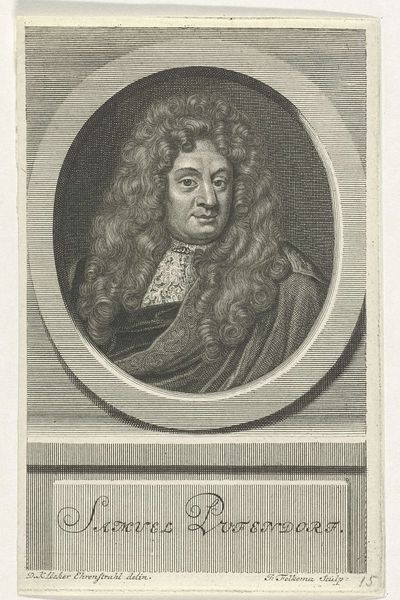
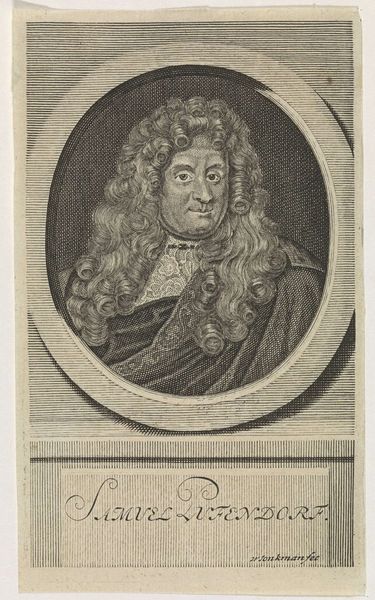
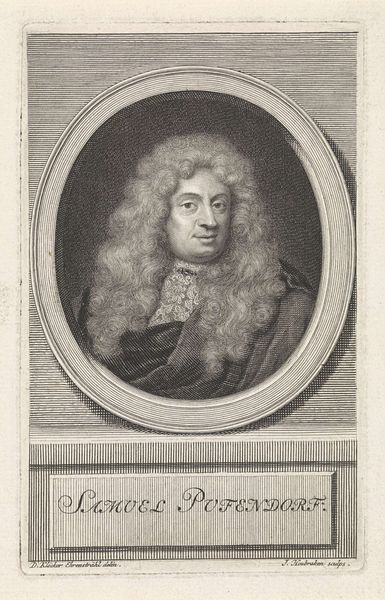
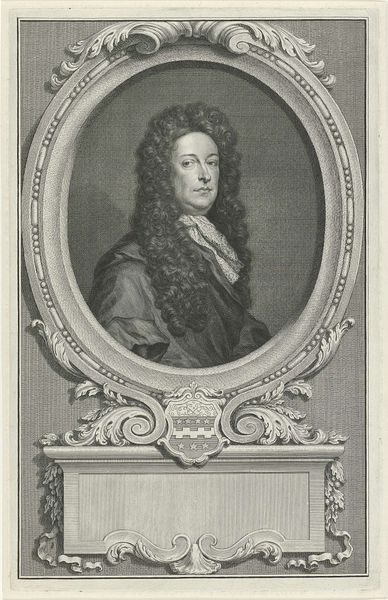
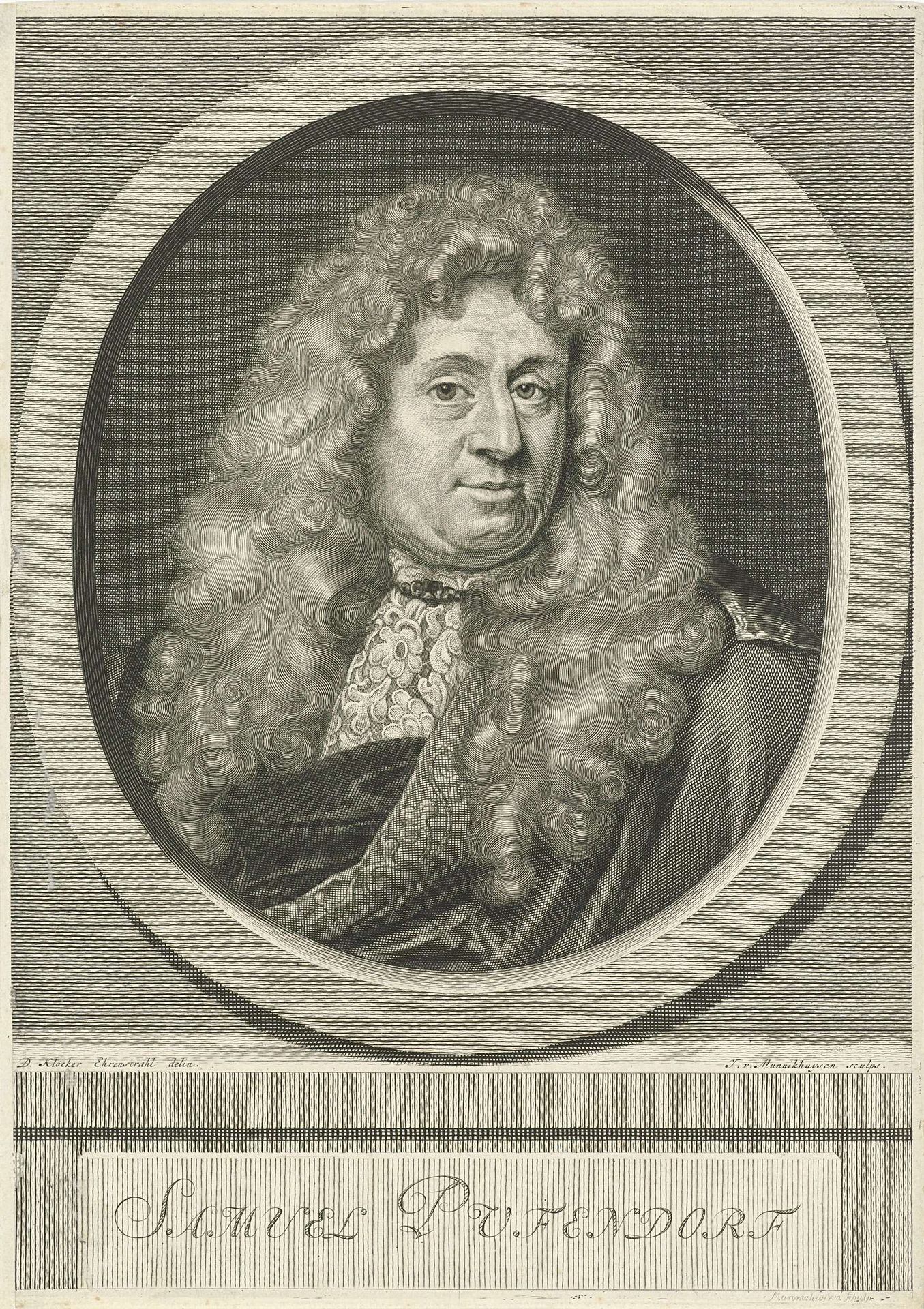
Portret van Samuel von Pufendorf

Jan van Munnickhuysen
1655 - 1701Location
RijksmuseumListen to curator's interpretation
Curatorial notes
Jan van Munnickhuysen created this print of Samuel von Pufendorf using engraving. Pufendorf's elaborate wig is the most striking element, symbolizing status and intellectual prowess in the 17th century. Consider how hair has been used in art across eras. From the carefully styled locks of Roman emperors to the flowing manes of Renaissance figures, hair has been a signifier of power, beauty, and identity. Think of the Baroque era, when elaborate wigs like Pufendorf's became fashionable. They were costly to maintain, immediately indicating the wearer's elite status. However, the wig also conceals. Much like a mask, it obscures the wearer's natural self, creating a carefully constructed public image. This tension between display and concealment reveals the psychological complexities of identity. Symbols continuously evolve, reflecting our changing values and perceptions.