About this artwork
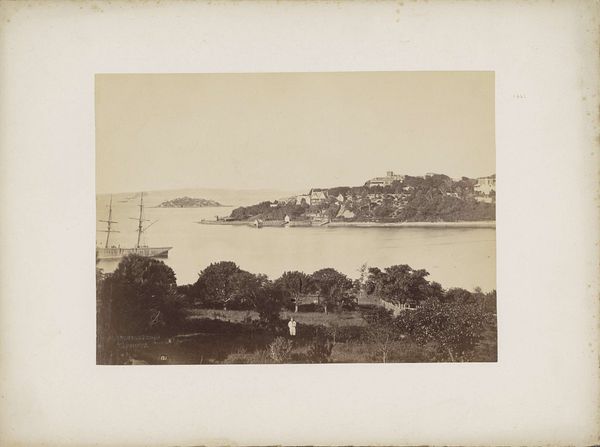
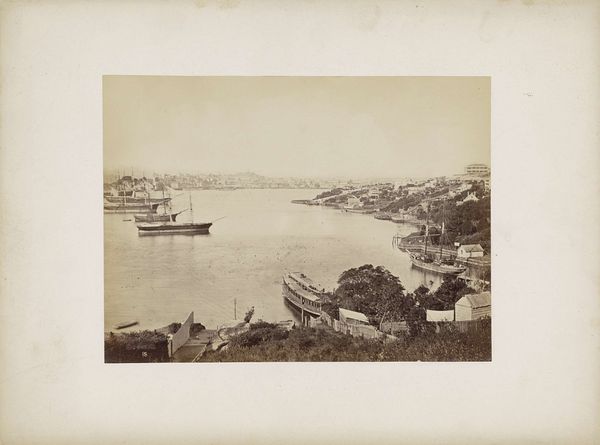
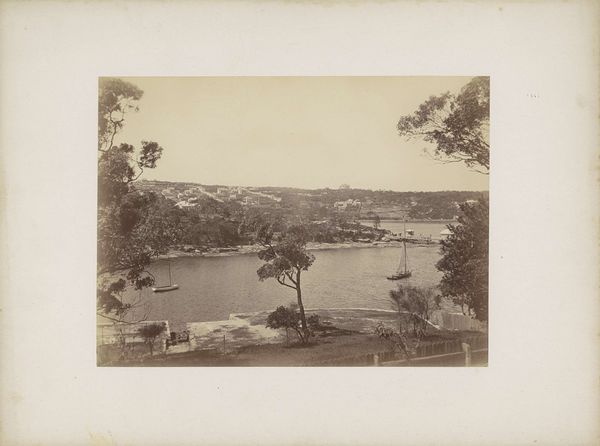
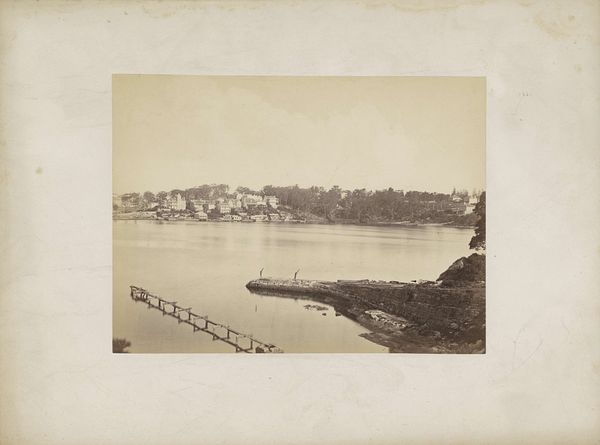
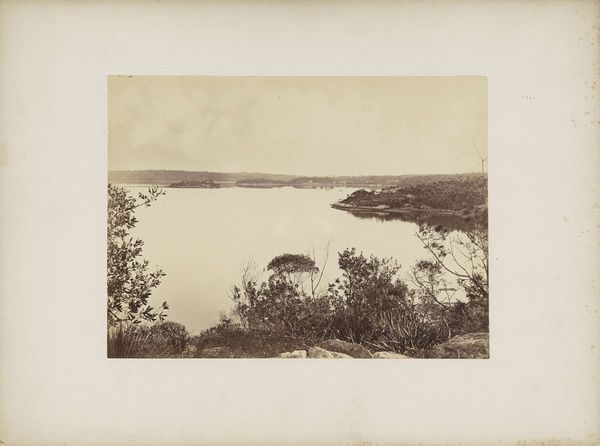
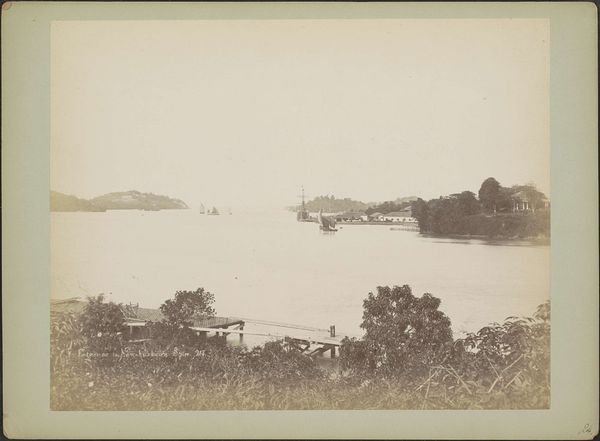
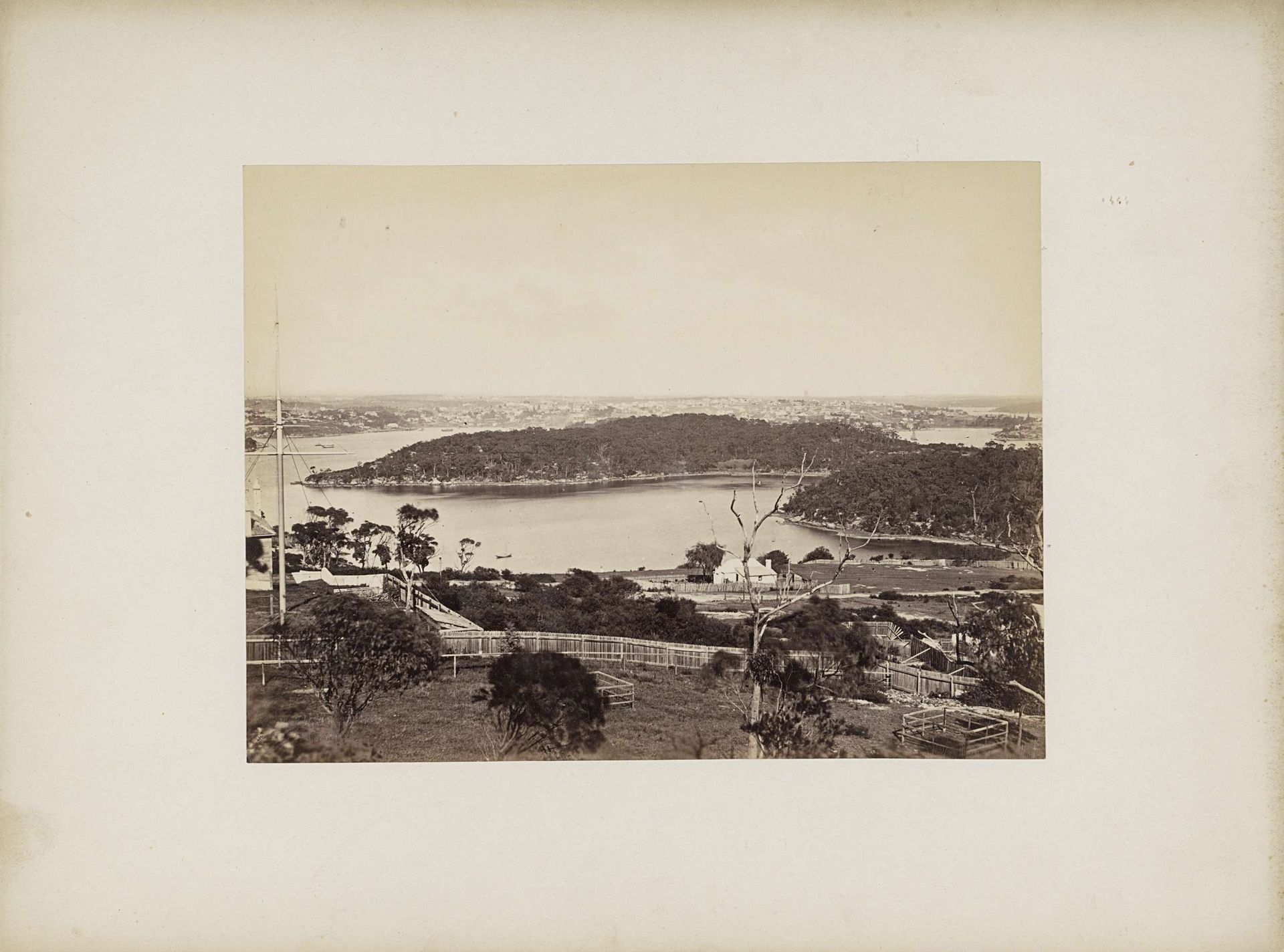
Charles Bayliss produced this albumen print, ‘View of the Ports and Forests of (presumably) Sydney,’ sometime in the late nineteenth century. The photograph presents us with a vista of Sydney Harbour, with its distinctive blend of natural beauty and burgeoning urban development. The high vantage point, looking down on manicured enclosures in the foreground, contrasts with the wildness beyond. Considered within its Australian context, this image speaks to the complicated relationship between settler-colonial culture and its environment. Bayliss’s image offers a romantic vision of progress. We can see the expanding city in the distance, yet it’s tempered by the enduring presence of untouched, or only lightly touched, natural landscapes. Interpreting this photograph requires understanding the history of colonialism, the development of photography as a tool for shaping perceptions, and the complex interplay between culture and nature. Accessing historical archives, travel literature, and studies in the history of photography can shed further light on this image.
Gezicht op de havens en bossen van (vermoedelijk) Sydney
c. 1890 - 1910

Charles Bayliss
1850 - 1897Location
RijksmuseumArtwork details
- Medium
- photography, albumen-print
- Dimensions
- height 241 mm, width 324 mm
- Location
- Rijksmuseum
- Copyright
- Rijks Museum: Open Domain
Tags
Comments
Share your thoughts
About this artwork
Charles Bayliss produced this albumen print, ‘View of the Ports and Forests of (presumably) Sydney,’ sometime in the late nineteenth century. The photograph presents us with a vista of Sydney Harbour, with its distinctive blend of natural beauty and burgeoning urban development. The high vantage point, looking down on manicured enclosures in the foreground, contrasts with the wildness beyond. Considered within its Australian context, this image speaks to the complicated relationship between settler-colonial culture and its environment. Bayliss’s image offers a romantic vision of progress. We can see the expanding city in the distance, yet it’s tempered by the enduring presence of untouched, or only lightly touched, natural landscapes. Interpreting this photograph requires understanding the history of colonialism, the development of photography as a tool for shaping perceptions, and the complex interplay between culture and nature. Accessing historical archives, travel literature, and studies in the history of photography can shed further light on this image.
Comments
Share your thoughts