1461
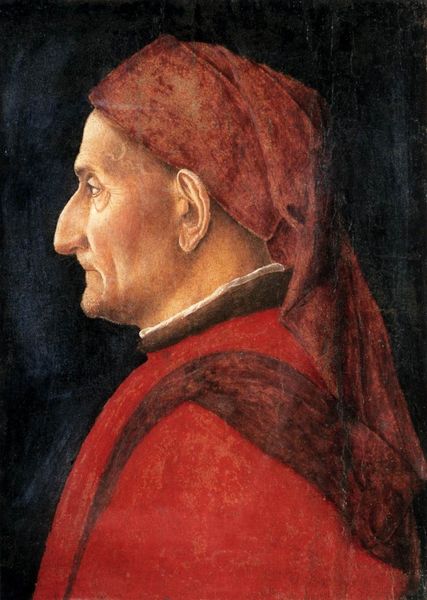
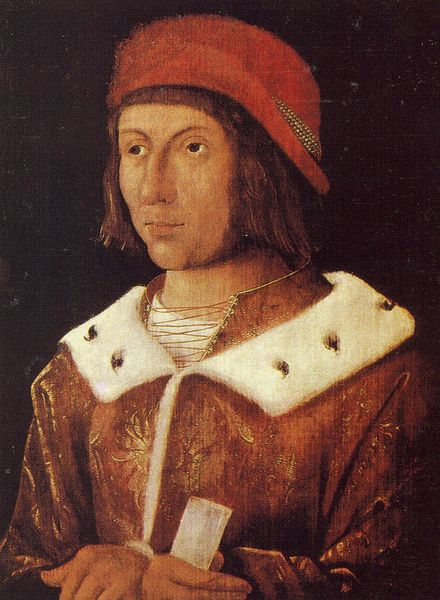
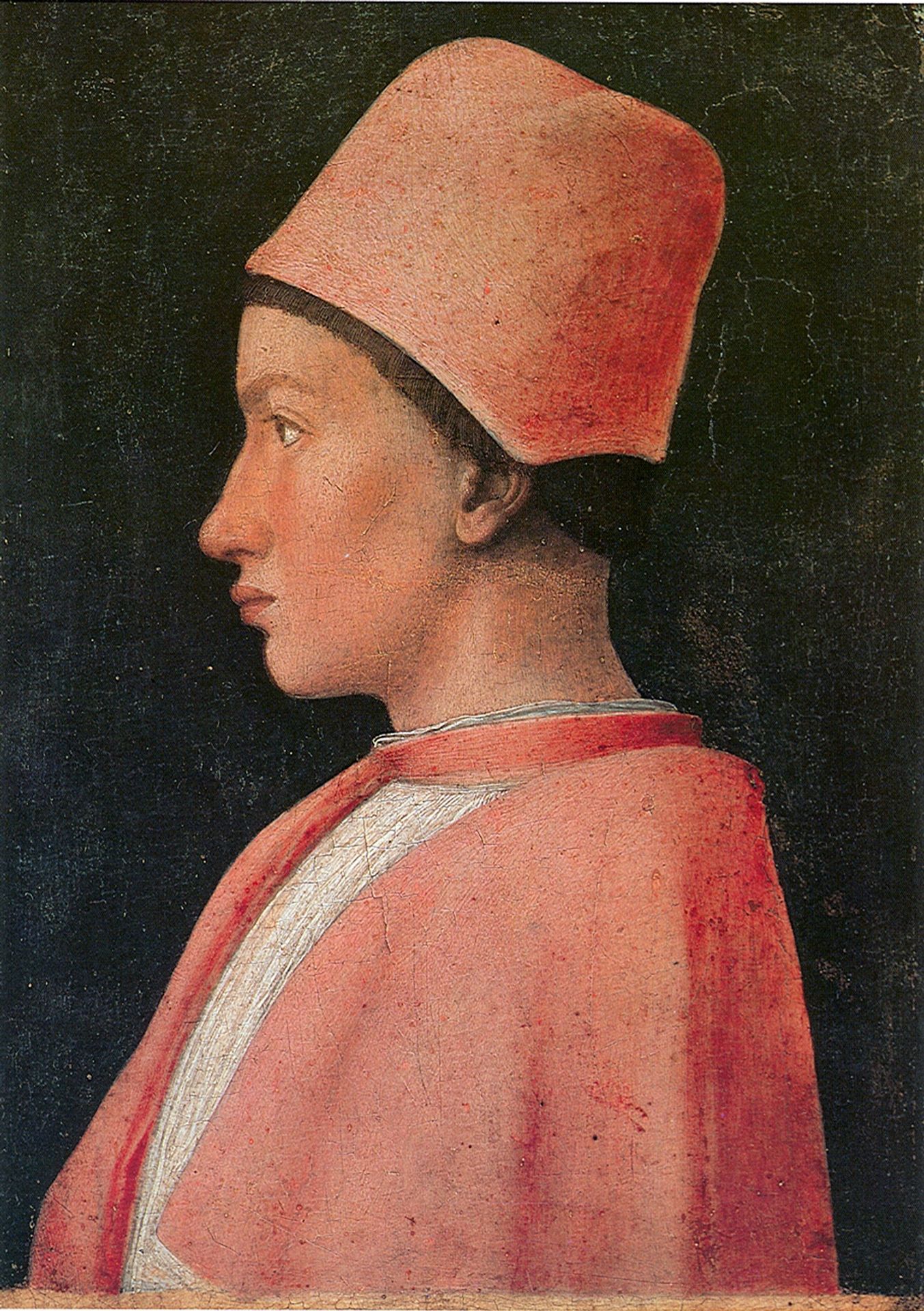
Portrait of Francesco Gonzaga

Andrea Mantegna
1431 - 1506Location
National Museum of Capodimonte, Naples, ItalyListen to curator's interpretation
Curatorial notes
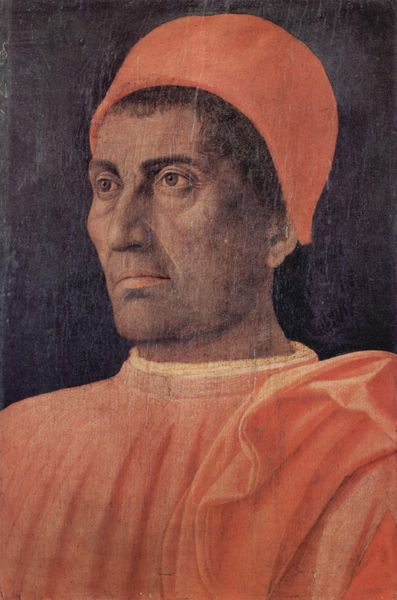
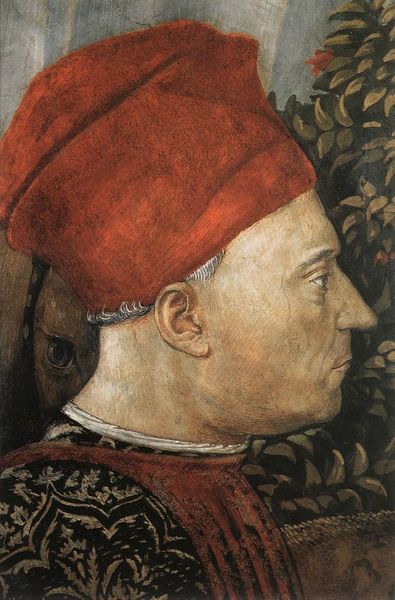
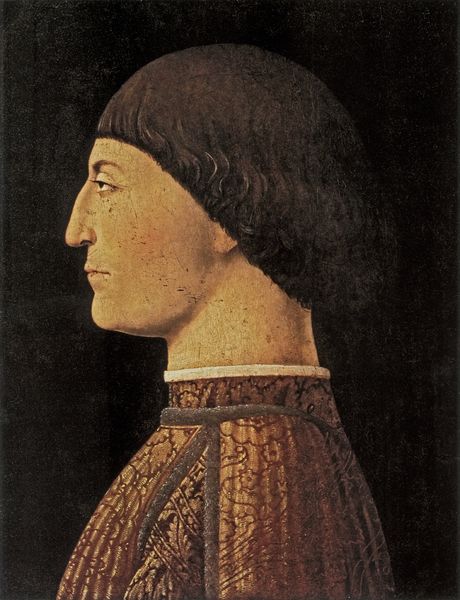
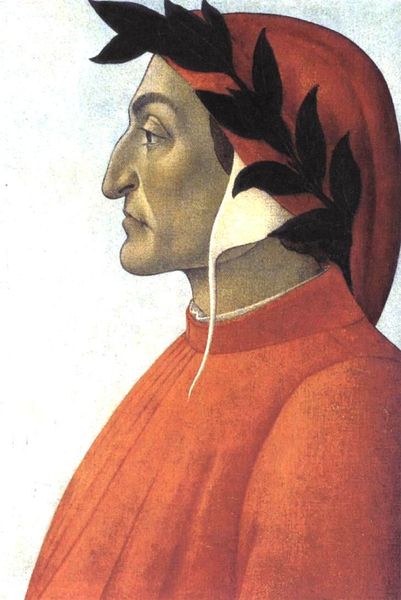
Andrea Mantegna painted this small panel portrait of Francesco Gonzaga around 1460, immortalizing the young nobleman in profile. It is an example of painting on wood during the early Renaissance. Notice the red cap, known as a "beretta," and the matching cloak, which were symbols of status and civic identity. The beretta has a long history, originating in the priestly biretta of the medieval church, later adapted in secular society. Think of the Phrygian cap worn during the French Revolution. It reappears in different forms across time and cultures, each instance carrying a new symbolic load. The profile view, reminiscent of ancient coins and busts, evokes a sense of timelessness and authority. Mantegna was a pioneer of what we would call today visual culture: these images are not mere representations but carriers of cultural memory, resurfacing in different forms throughout history, perpetually influencing and reshaping our understanding of power and identity.