1761 - 1828
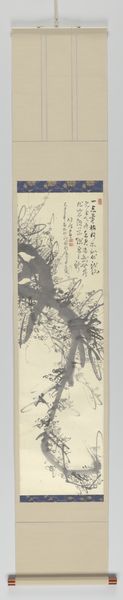
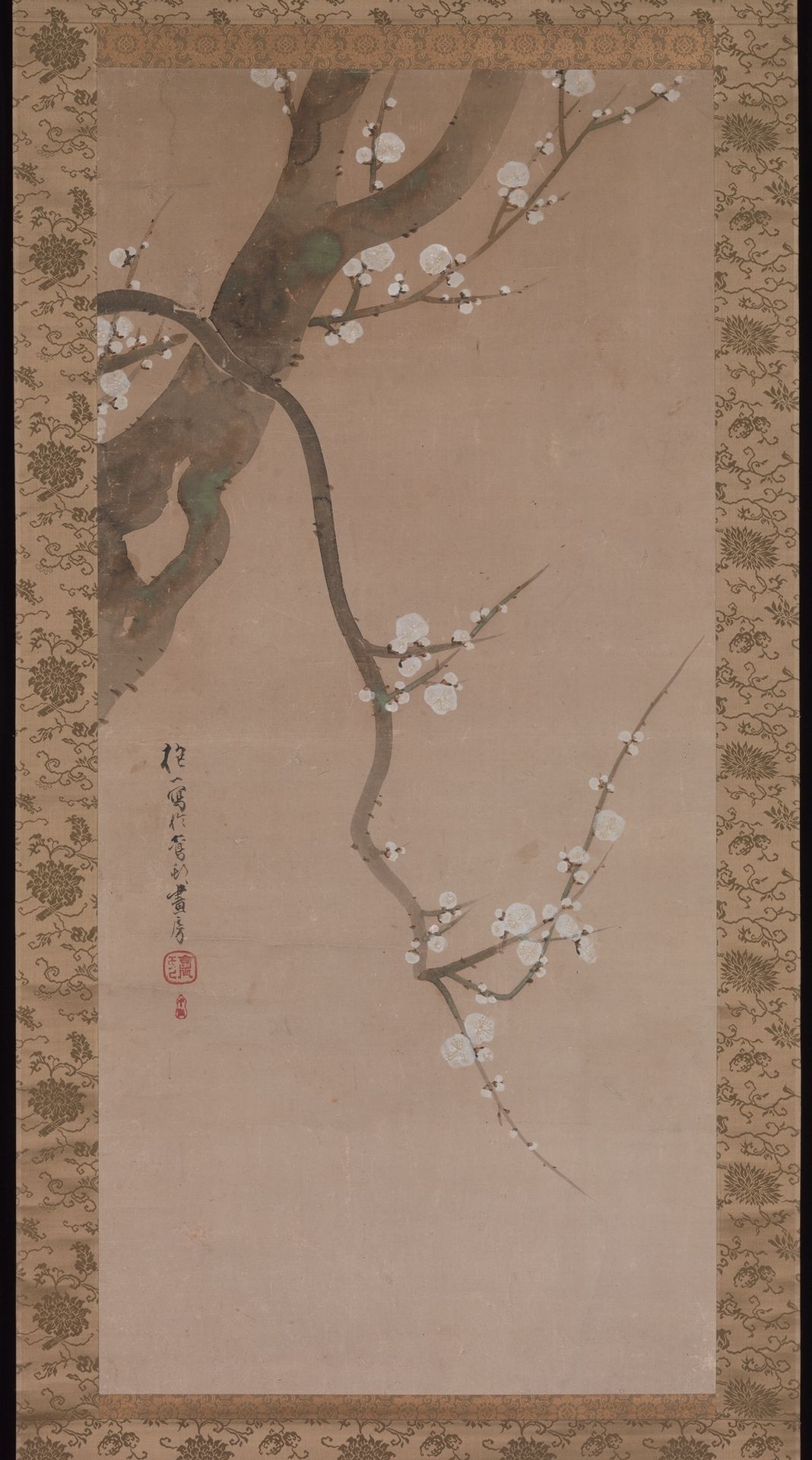
Flowering Plum


Listen to curator's interpretation
Curatorial notes
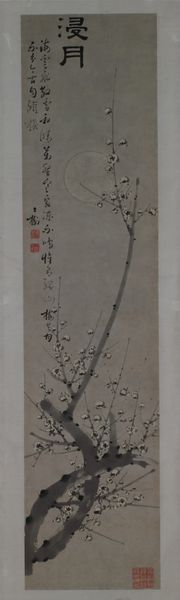
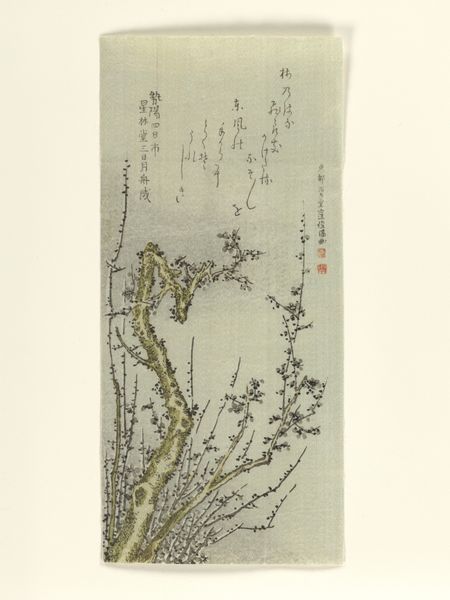
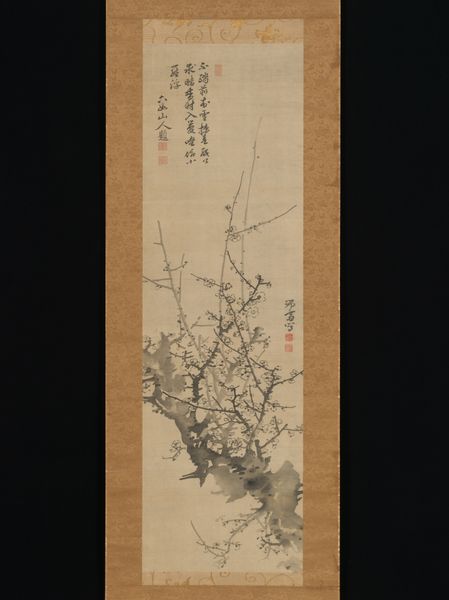
Sakai Hōitsu painted this image of a flowering plum tree on silk, sometime before 1828. The plum blossom, or *ume*, is not merely a decorative motif, it's a symbol deeply embedded in East Asian culture, representing perseverance, hope, and the arrival of spring after winter's desolation. Consider its presence in Chinese art dating back centuries, where it often accompanies scholars and poets, symbolizing resilience in the face of adversity. The *ume*'s delicate petals, bravely unfurling even in the cold, resonate with human emotions tied to endurance and renewal. The symbolism continues to evolve through art history. For example, in some contexts, the plum blossom represents feminine beauty, while in others, it stands for purity of heart. This enduring image taps into something primal, stirring our collective memories, our yearning for rebirth, and the cyclical rhythm of life, death, and renewal.