print, textile, paper, typography, ink
#
aged paper
#
ink paper printed
# print
#
hand drawn type
#
textile
#
paper
#
typography
#
ink
#
hand-drawn typeface
#
pen work
Copyright: Rijks Museum: Open Domain
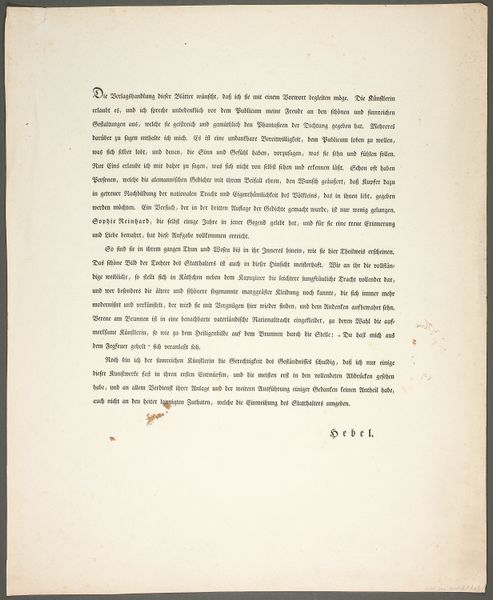
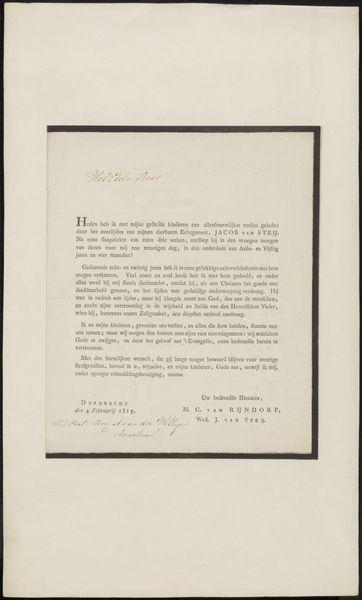
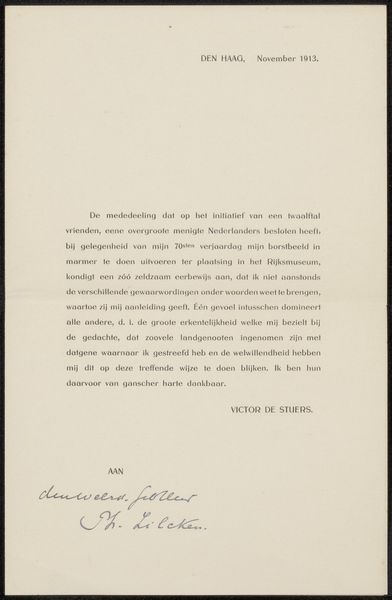
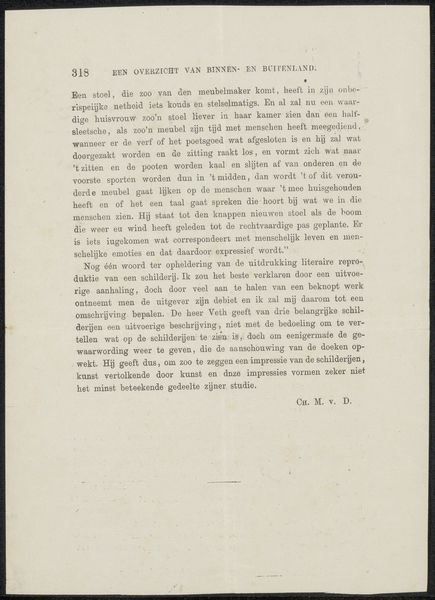
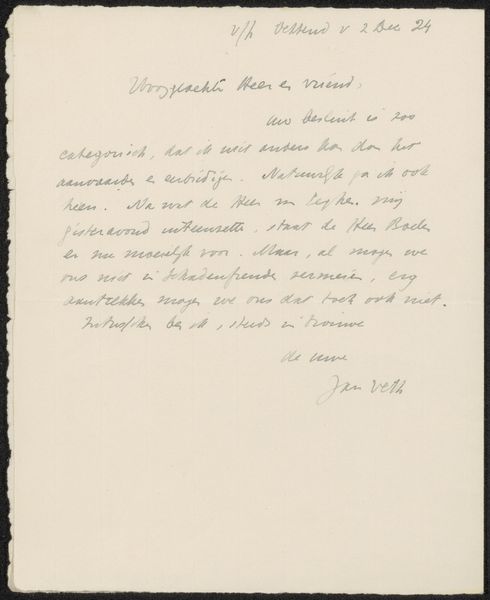
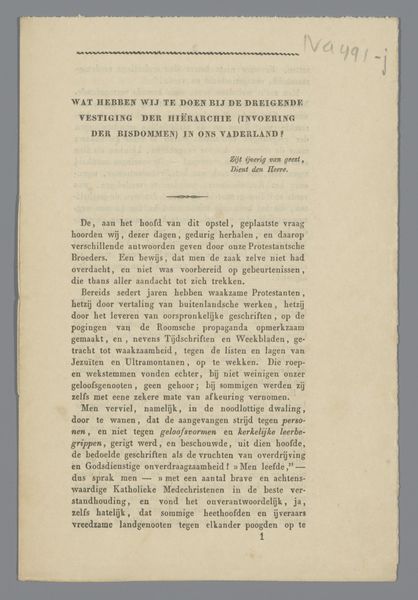
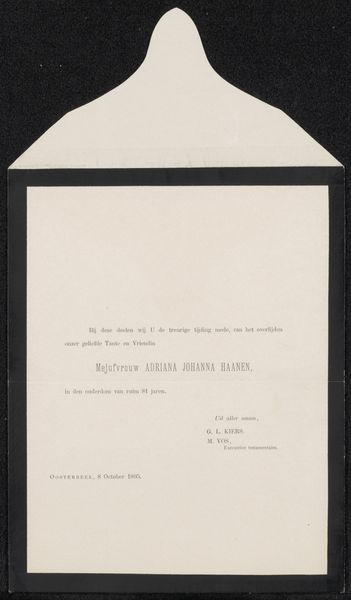
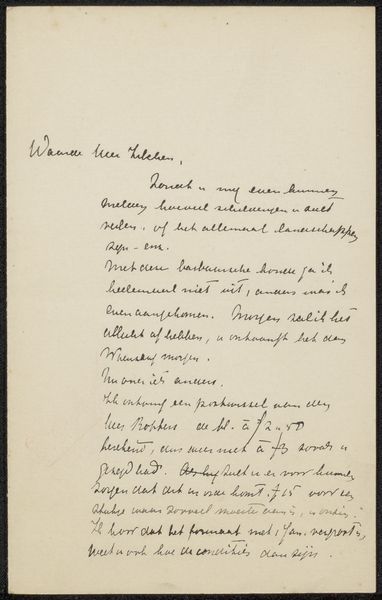
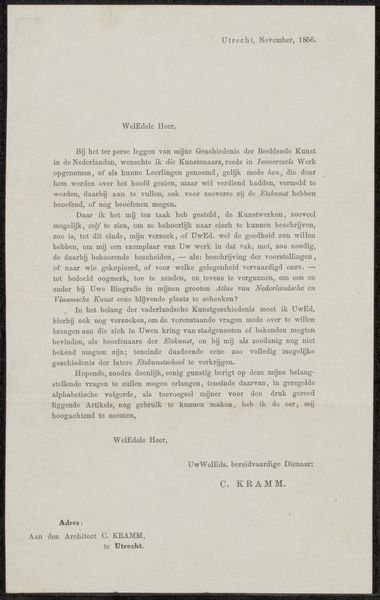
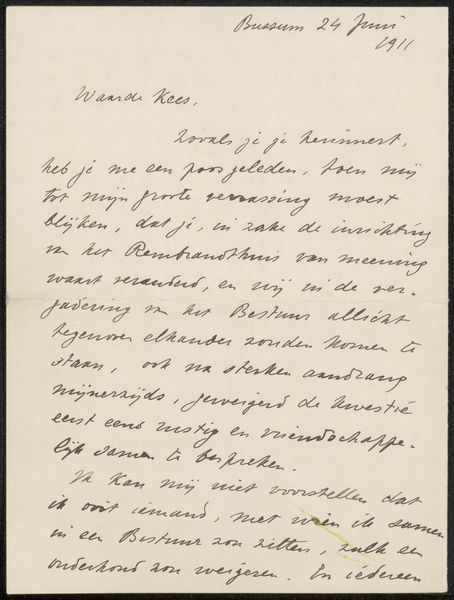
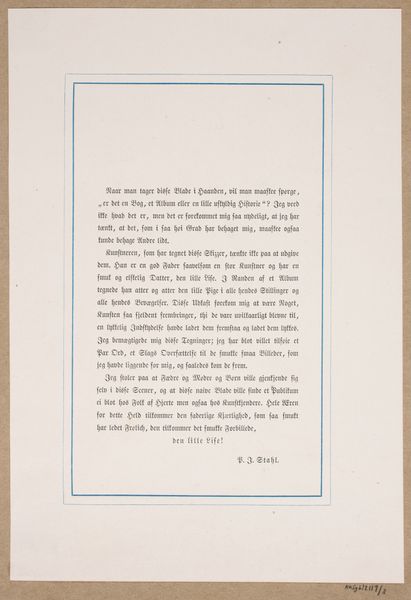
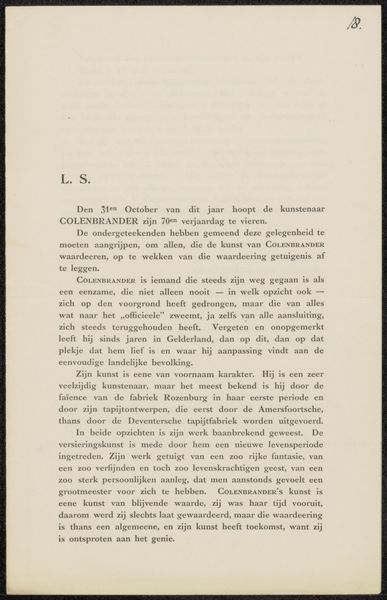
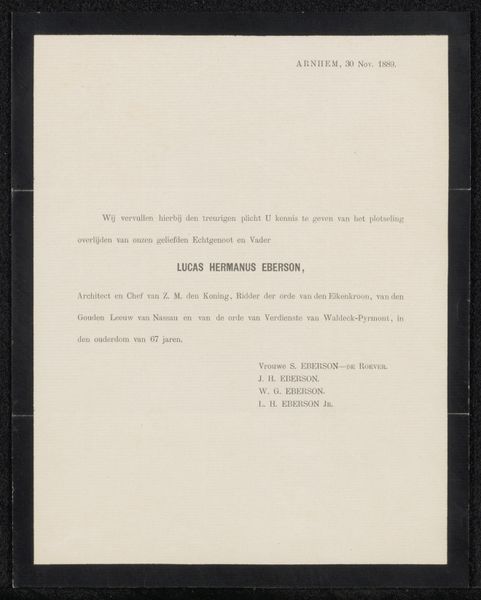
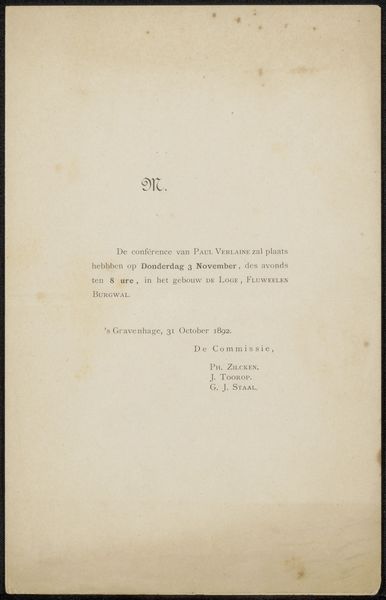
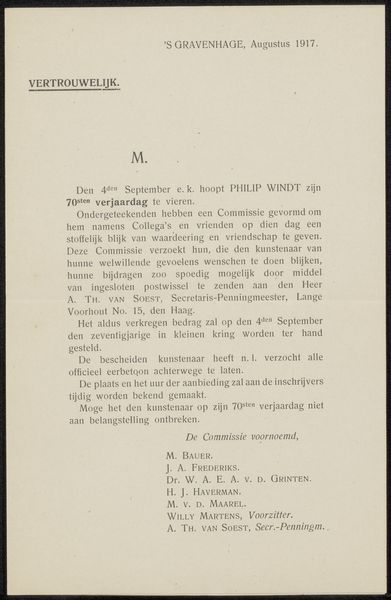
This letter was written by Nicolaas Beets in Utrecht, dated December 1, 1884. It is made of paper, carefully chosen for its ability to absorb ink and carry the delicate impressions of the typeface. Notice how the words are meticulously arranged, each character a product of the printing press, a symbol of industrialized communication that was transforming society at the time. The letter embodies the transition from hand-written correspondence to mass-produced text, raising questions about individuality and authenticity. The act of printing itself represents a form of labor, where the skills of the typesetter and the operation of the machinery play a crucial role in disseminating Beets's message. This connects the letter to broader issues of labor, politics, and consumption that define the modern era. By understanding its materials, production, and social context, we can recognize the letter as an artifact of its time, challenging traditional distinctions between fine art and craft and inviting us to reflect on the nature of human expression in the age of mechanical reproduction.
Comments
No comments
Be the first to comment and join the conversation on the ultimate creative platform.
 Collect
 React
React Comment
More like this