albumen-print, paper, photography, albumen-print, architecture
#
albumen-print
#
16_19th-century
#
landscape
#
paper
#
photography
#
italy
#
albumen-print
#
architecture
#
realism
Copyright: Public Domain
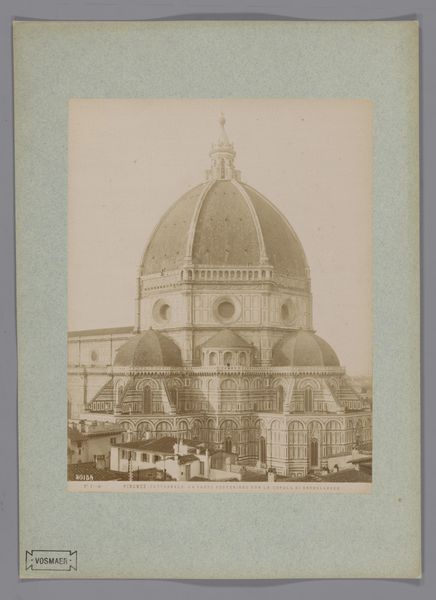
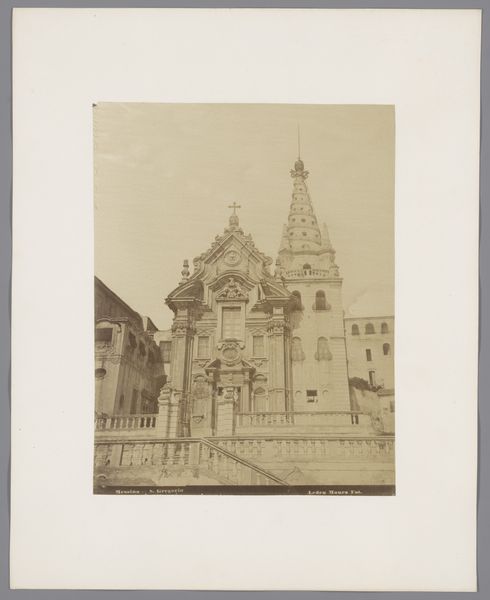
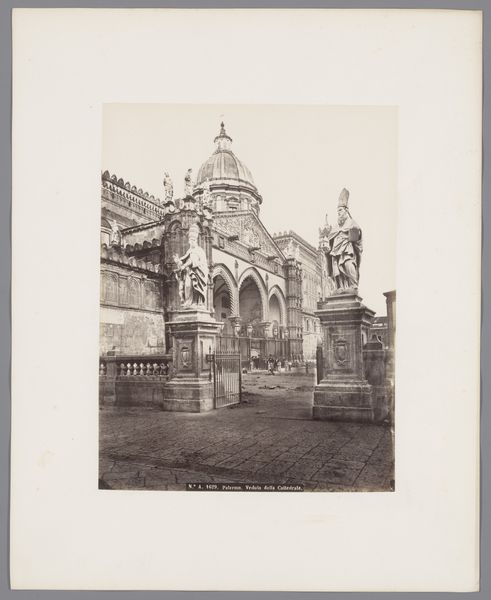
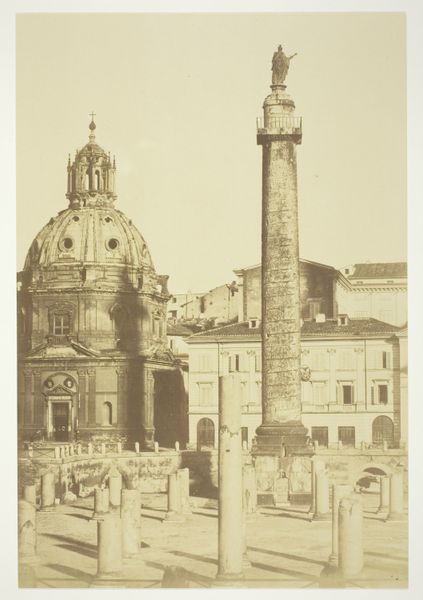
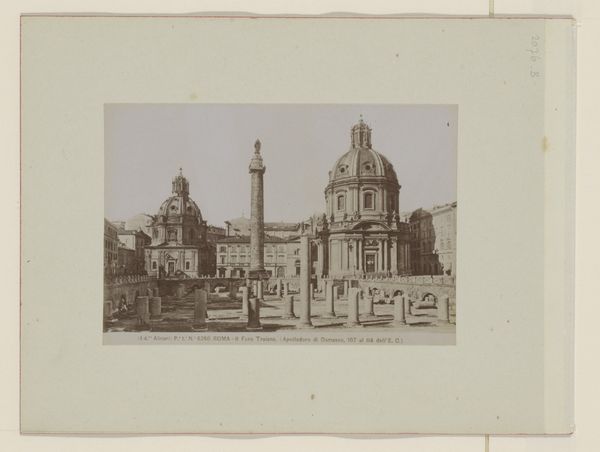
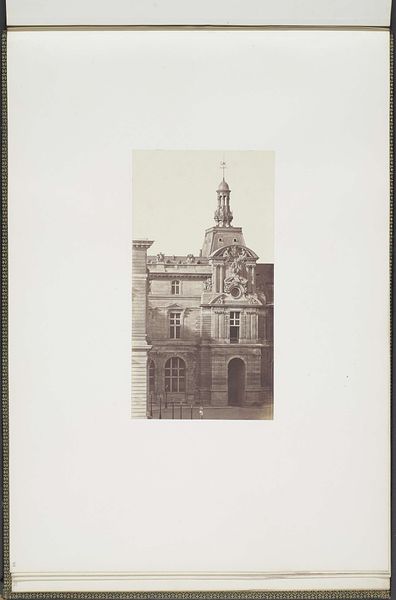
Editor: Here we have an albumen print from 1869, attributed to Fratelli Alinari, depicting the Florence Cathedral. The image is striking because of the stark contrast between the immense building and the pale sky. How do you interpret this work, especially given the time it was created? Curator: This photograph offers a window into 19th-century Italy and the burgeoning field of architectural photography. What seems like a straightforward depiction of the Duomo is, in fact, a deliberate construction, a testament to both civic pride and colonial gaze. Consider how this image was consumed at the time: as a collectible, a souvenir, or a tool for architectural study. Who was the intended audience, and what narratives did this image reinforce about Italian cultural identity and power? Editor: That's interesting. So, beyond just being a photograph of a building, it's participating in broader social narratives? Curator: Precisely. The very act of documenting this monument—a symbol of Florentine ingenuity and religious authority—served to reinforce certain power structures. Consider also the socio-economic context of the photographers. Fratelli Alinari were successful entrepreneurs who benefited from the rise of tourism and the European obsession with classical culture. We should question whose stories are being told, and from whose perspective. Editor: I see. So, it's not just about what is shown, but also about who is doing the showing, and why. Curator: Exactly. Examining photography through a critical lens encourages us to think about the power dynamics embedded within the act of representation itself. This photo is as much about Florence as it is about the construction of Italian identity for a European audience. Editor: I hadn't considered those power dynamics at play, it definitely gives me a fresh perspective! Curator: It’s all about situating the work in a broader social context and challenging any inherent assumptions about neutrality.
Comments

stadelmuseum over 2 years ago
⋮
Along with Venice, Rome, and Naples, Florence also made a name for itself as an important centre for photographyin Italy. It was there that Leopoldo Alinari, who had trained as an engraver, set up his own business in 1852. Two years later his brothers Romualdo and Giuseppe founded a photo studio. In addition to portraits, the Alinari offered views of the city’s famous monuments which they sold primarily to tourists. In 1859, they came to international fame with reproductions of drawings by Raphael in photographs of “high artistic value”, as the Photographisches Journal reported. From that time forward, photographic reproductions of artworks, for example from the Uffizi, were a permanent feature of the family company’s product range. Still in existence today, the Alinari Archive is a unique document of Italian art and architecture.


Join the conversation
Join millions of artists and users on Artera today and experience the ultimate creative platform.
 Collect
More like this