About this artwork
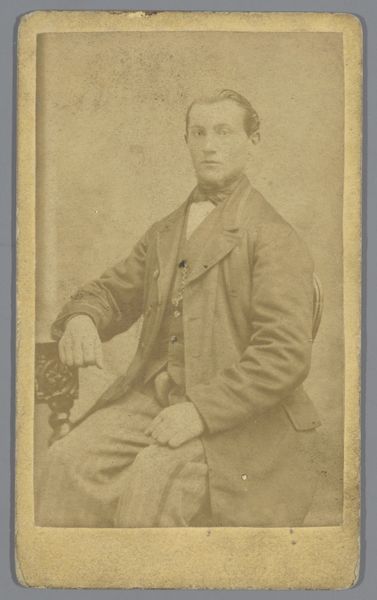
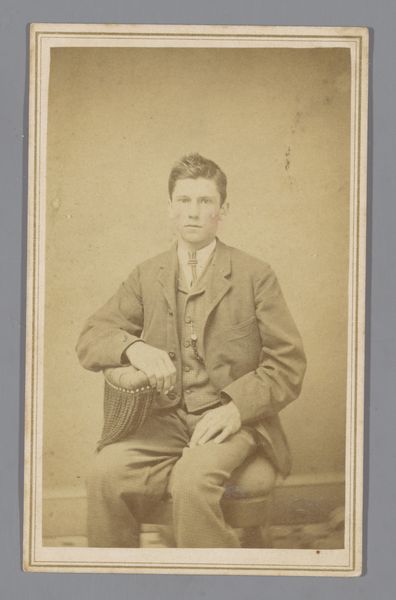
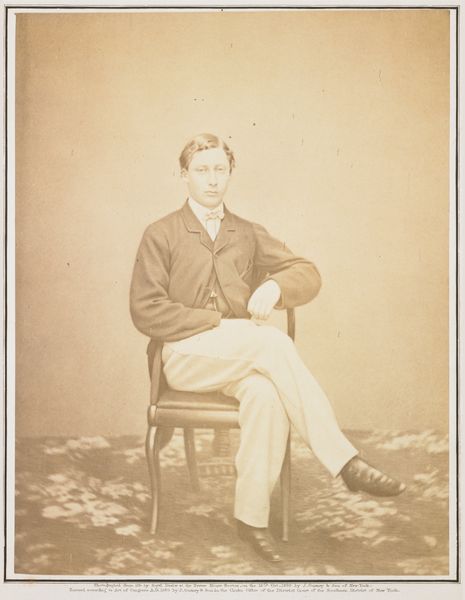
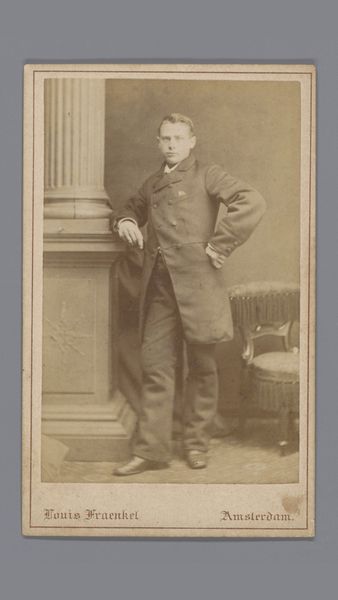
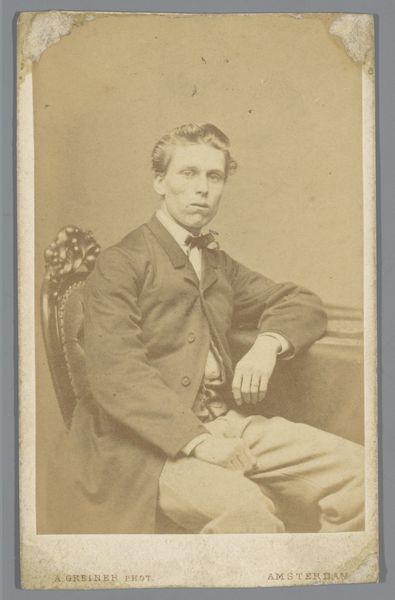
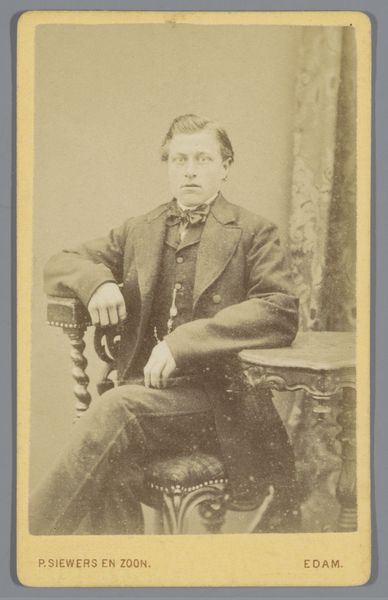
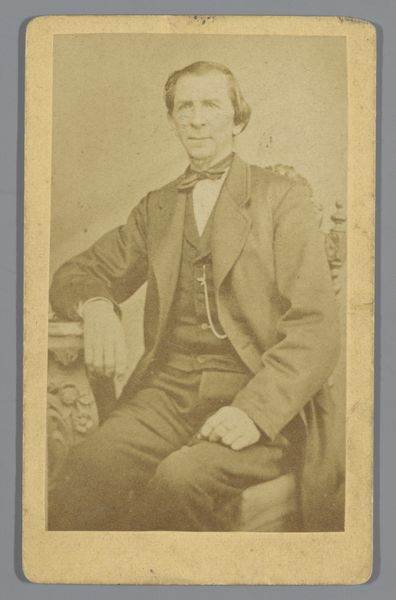
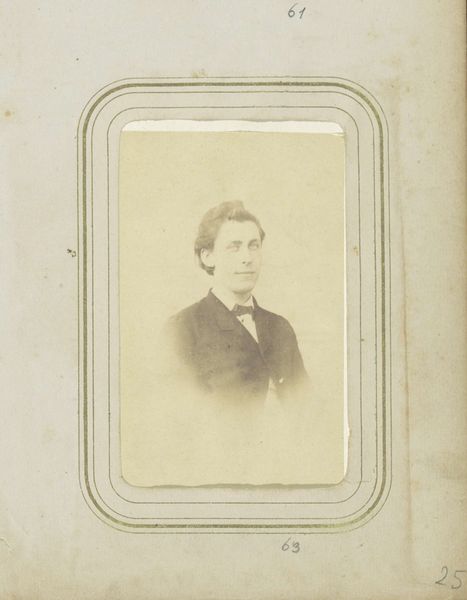
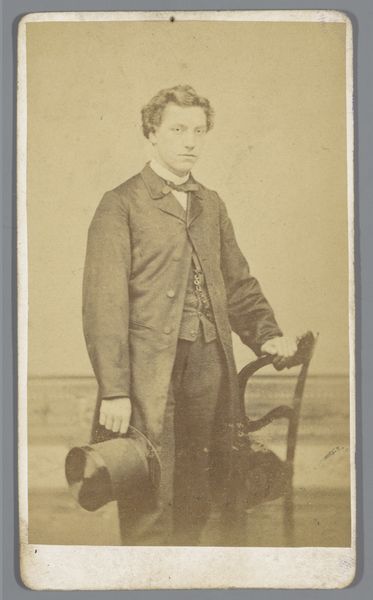
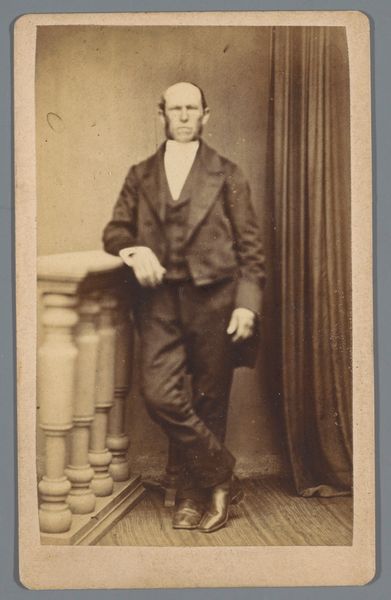
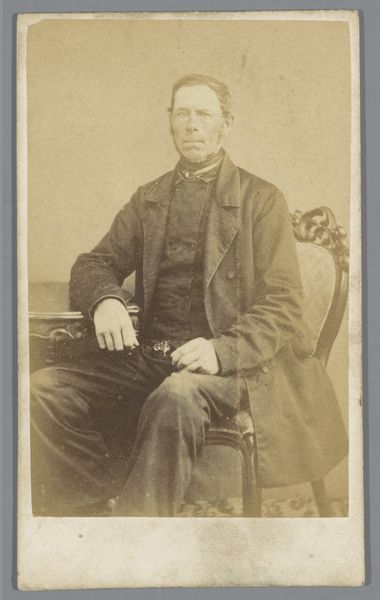
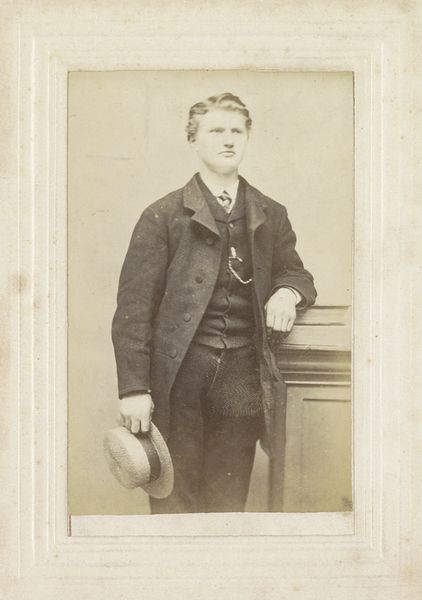
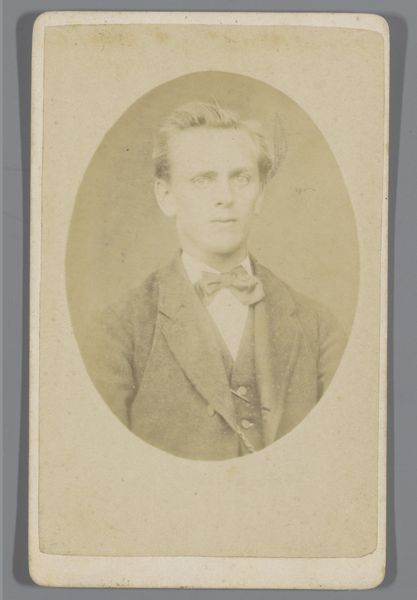
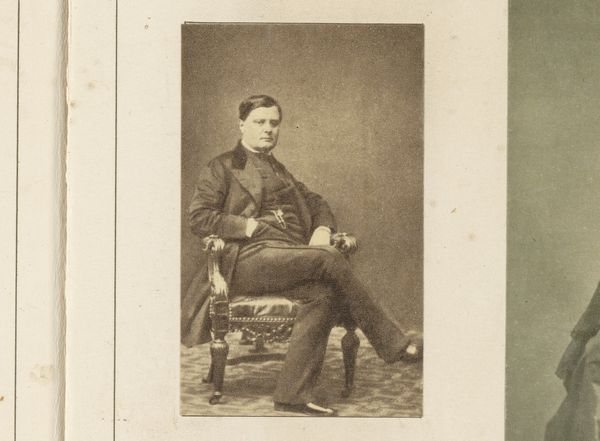
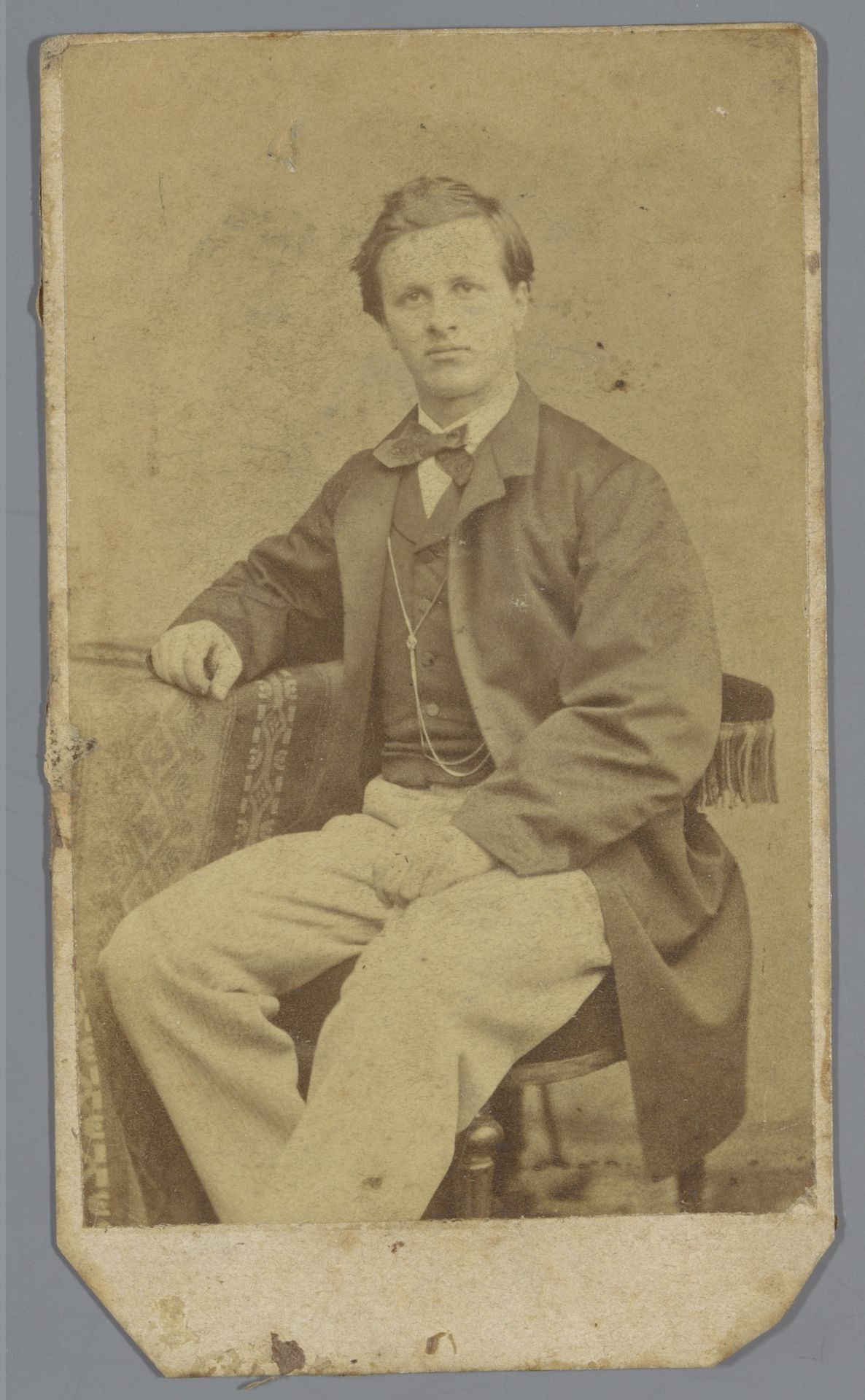
This portrait of Ludwig Nopper was made using a photographic process that emerged in the 19th century. The image, rendered in sepia tones, speaks to the industrialized processes of early photography, where light-sensitive chemicals and standardized methods allowed for relatively quick and inexpensive production of portraits. The subject’s attire and pose, captured through careful arrangement and lengthy exposure times, reflect the era’s social codes and aspirations. The clothing indicates a degree of social standing, yet the photograph's small size and mass-producible nature also suggest a democratization of portraiture, making it accessible to a broader segment of society. Understanding this photograph requires us to consider both the artistry involved in composition and the industrial processes that made it possible. It highlights the shift towards mechanical reproduction that began to transform artistic practices and consumption habits, challenging the traditional boundaries of art and craft.

Artwork details
- Medium
- photography, gelatin-silver-print
- Dimensions
- height 103 mm, width 60 mm
- Copyright
- Rijks Museum: Open Domain
Tags
portrait
photography
coloured pencil
gelatin-silver-print
Comments
Be the first to share your thoughts about this work.
About this artwork
This portrait of Ludwig Nopper was made using a photographic process that emerged in the 19th century. The image, rendered in sepia tones, speaks to the industrialized processes of early photography, where light-sensitive chemicals and standardized methods allowed for relatively quick and inexpensive production of portraits. The subject’s attire and pose, captured through careful arrangement and lengthy exposure times, reflect the era’s social codes and aspirations. The clothing indicates a degree of social standing, yet the photograph's small size and mass-producible nature also suggest a democratization of portraiture, making it accessible to a broader segment of society. Understanding this photograph requires us to consider both the artistry involved in composition and the industrial processes that made it possible. It highlights the shift towards mechanical reproduction that began to transform artistic practices and consumption habits, challenging the traditional boundaries of art and craft.
Comments
Be the first to share your thoughts about this work.