About this artwork
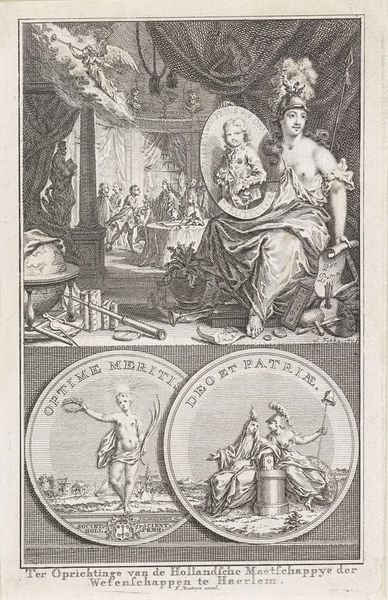
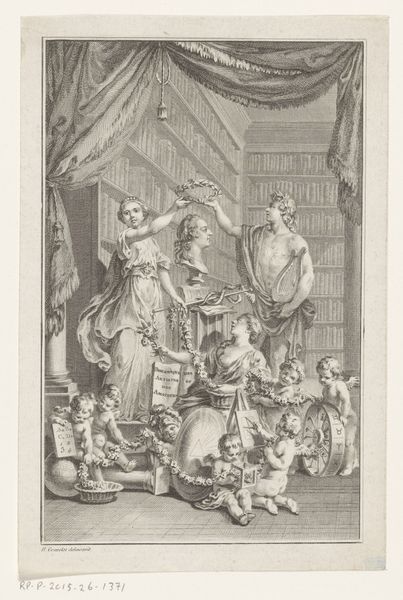
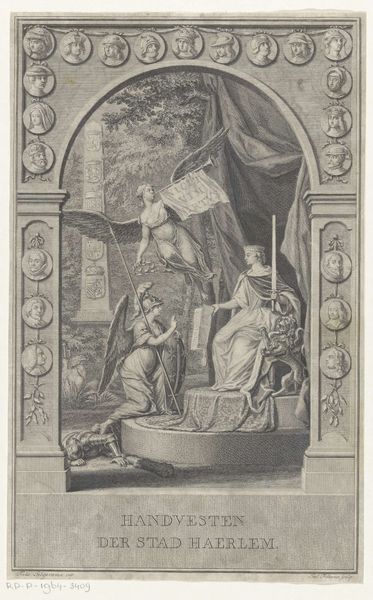
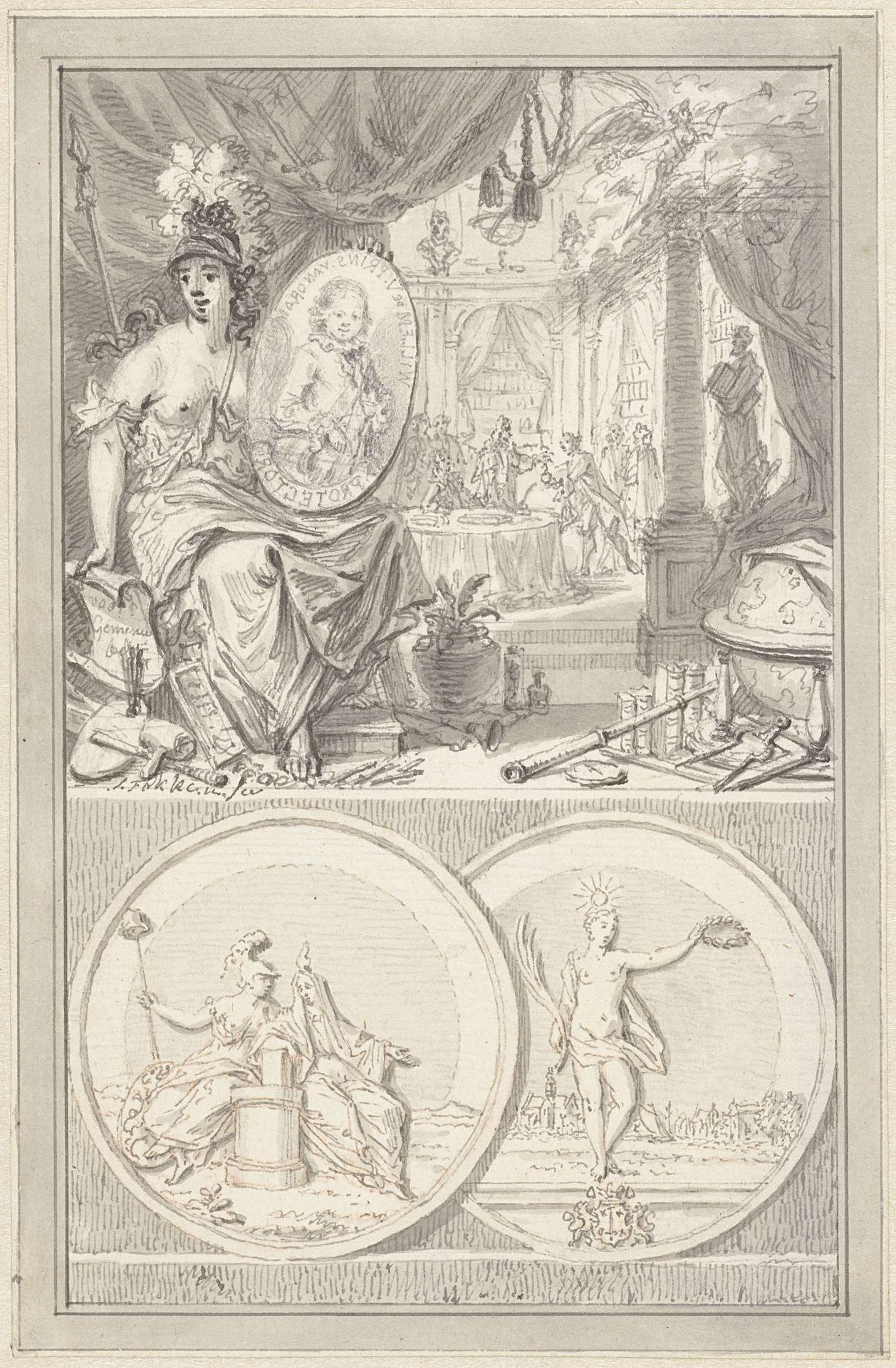
Simon Fokke made this etching in 1752, as an allegory celebrating the founding of the Dutch Society of Sciences. The etching process itself is fascinating. The artist would have coated a metal plate with a waxy, acid-resistant substance, then scratched an image into it with a fine needle. When dipped in acid, the exposed metal would be eaten away, creating grooves. These grooves would then hold ink, which would be transferred to paper under great pressure. The result is a precise, detailed image with a tactile quality. This print celebrates the founding of the Society of Sciences, and the skilled labor of the printmaker, Fokke, mirrors the intellectual labor the society was founded to support. The very act of its making, through skilled manual labor, mirrors the values it represents. By understanding the process, we appreciate the connection between the hand, the mind, and the society it serves.
Allegorie op de oprichting van de Hollandsche Maatschappij der Wetenschappen, 1752
1752

Simon Fokke
1712 - 1784Location
RijksmuseumArtwork details
- Medium
- drawing, print, paper, ink, engraving
- Dimensions
- height 165 mm, width 108 mm
- Location
- Rijksmuseum
- Copyright
- Rijks Museum: Open Domain
Tags
Comments
Share your thoughts
About this artwork
Simon Fokke made this etching in 1752, as an allegory celebrating the founding of the Dutch Society of Sciences. The etching process itself is fascinating. The artist would have coated a metal plate with a waxy, acid-resistant substance, then scratched an image into it with a fine needle. When dipped in acid, the exposed metal would be eaten away, creating grooves. These grooves would then hold ink, which would be transferred to paper under great pressure. The result is a precise, detailed image with a tactile quality. This print celebrates the founding of the Society of Sciences, and the skilled labor of the printmaker, Fokke, mirrors the intellectual labor the society was founded to support. The very act of its making, through skilled manual labor, mirrors the values it represents. By understanding the process, we appreciate the connection between the hand, the mind, and the society it serves.
Comments
Share your thoughts