About this artwork
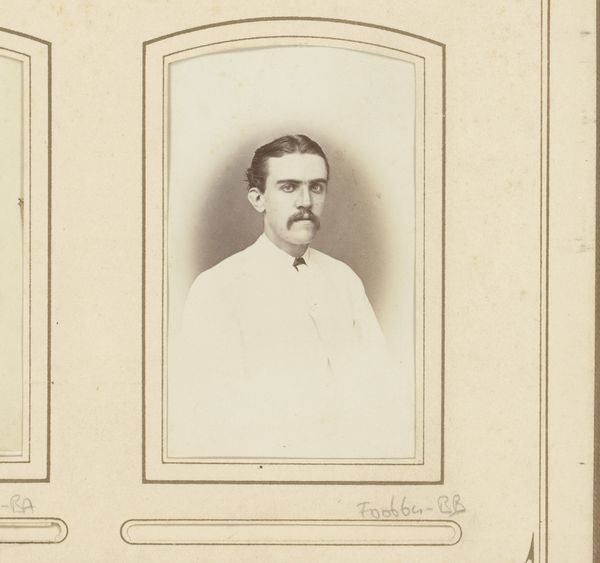
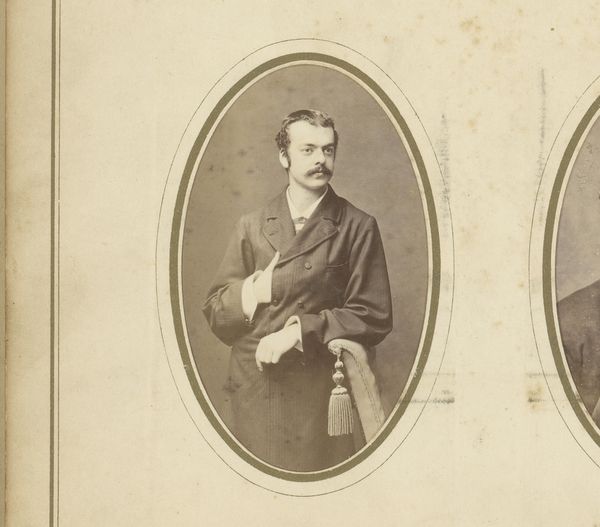
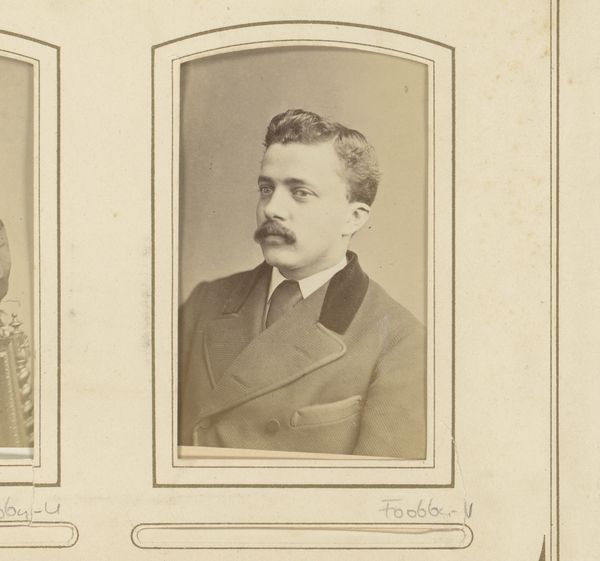
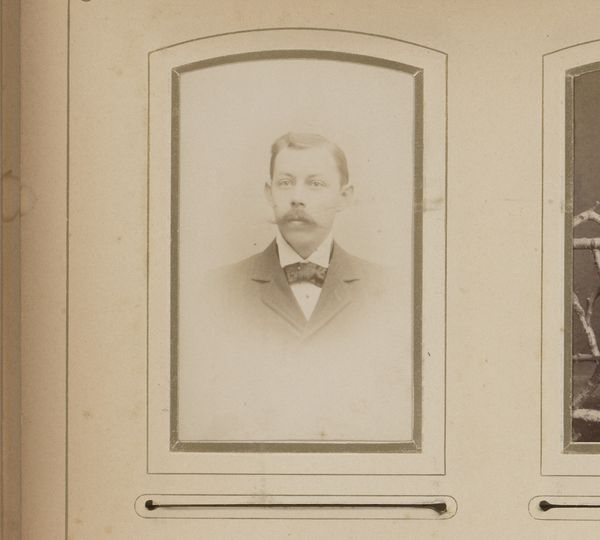
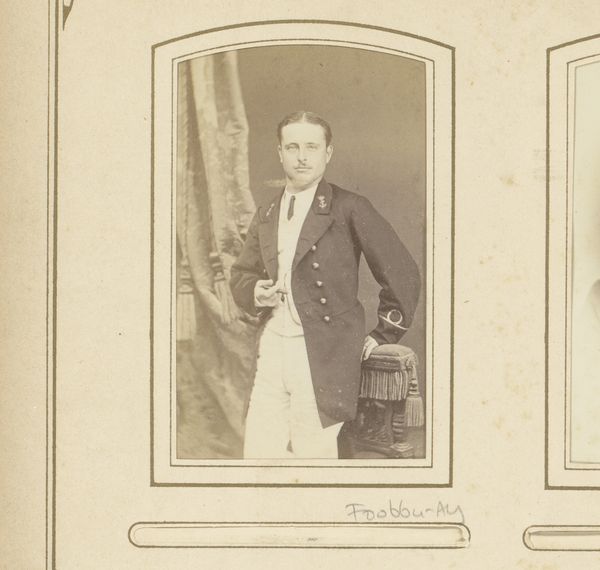
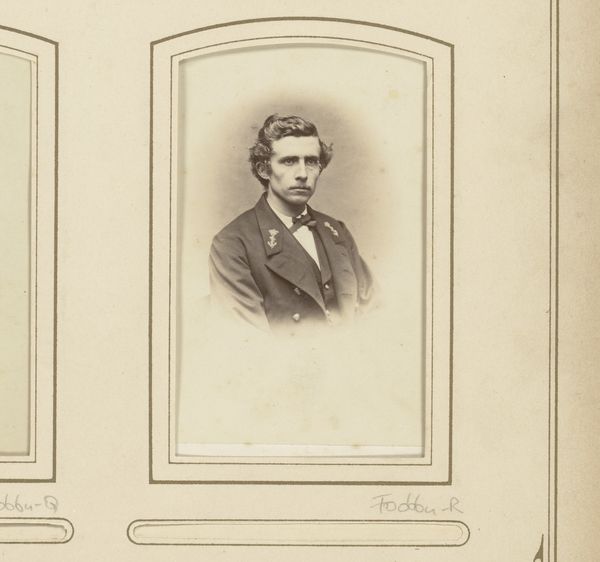
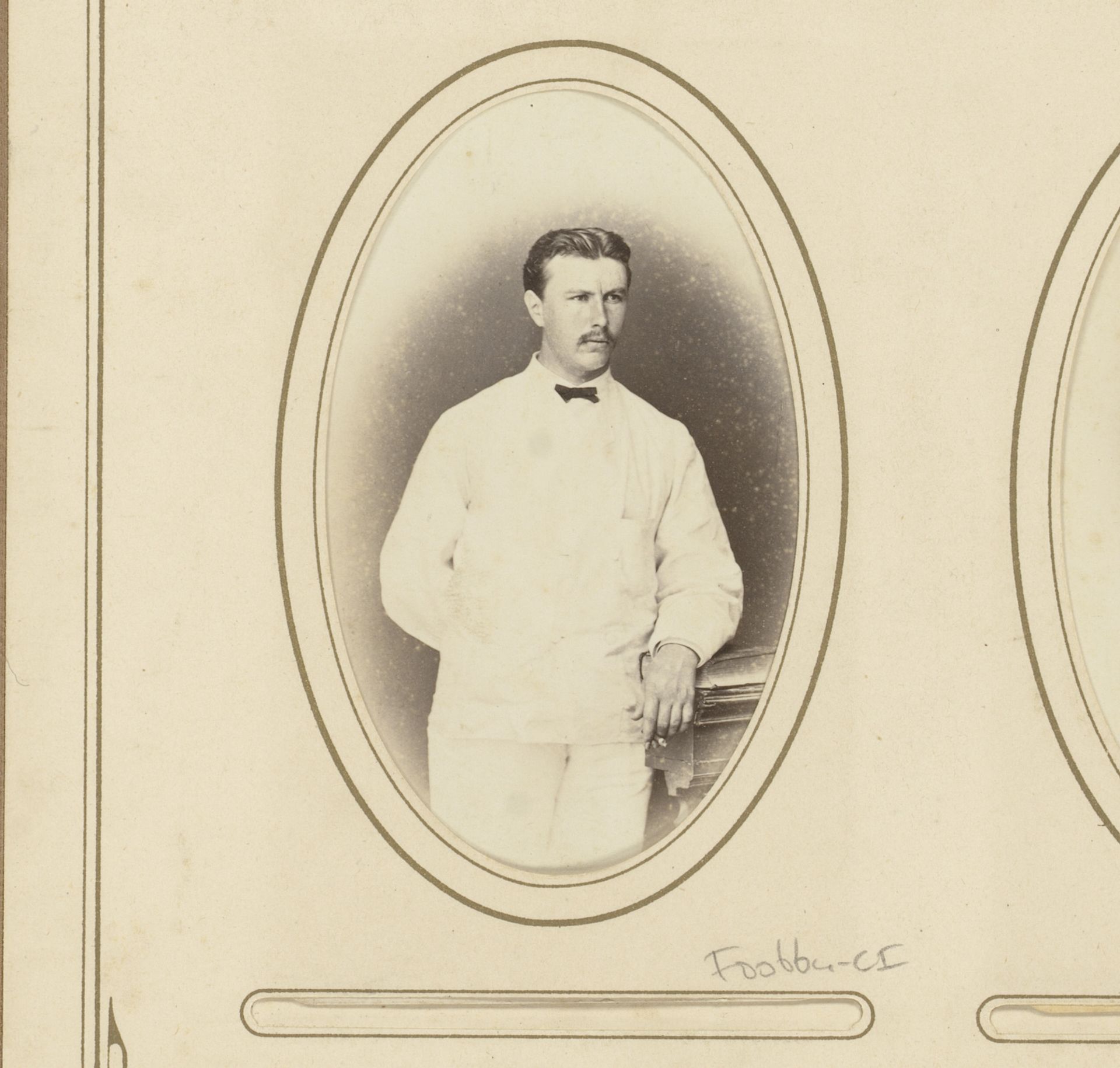
This small portrait, made by J.B. Jasper, presents a man in light clothing, neatly framed in an oval shape. The sepia tones and the careful arrangement of the figure evoke a sense of intimacy and understated elegance. The composition is structured around the contrast between the man’s pale attire and the darker background. The oval frame isolates him, emphasizing his figure and poise. His relaxed stance, with one hand casually placed, adds a touch of informality. The stark simplicity destabilizes traditional portraiture’s emphasis on grandeur. Considered through a semiotic lens, the cigar and the bow tie function as signs of status. Yet, Jasper’s focus on form and texture disrupts any fixed reading, highlighting the constructed nature of such symbols. Ultimately, the portrait invites us to see beyond conventional representation. The formal elements encourage a deeper look into how identity is presented and perceived, underscoring the fluidity of meaning within cultural codes.
Portret van een man in witte kleding met sigaar
1870 - 1880

J.B. Jasper
@jbjasperLocation
RijksmuseumArtwork details
- Medium
- photography, gelatin-silver-print
- Dimensions
- height 82 mm, width 52 mm
- Location
- Rijksmuseum
- Copyright
- Rijks Museum: Open Domain
Tags
Comments
Share your thoughts
About this artwork
This small portrait, made by J.B. Jasper, presents a man in light clothing, neatly framed in an oval shape. The sepia tones and the careful arrangement of the figure evoke a sense of intimacy and understated elegance. The composition is structured around the contrast between the man’s pale attire and the darker background. The oval frame isolates him, emphasizing his figure and poise. His relaxed stance, with one hand casually placed, adds a touch of informality. The stark simplicity destabilizes traditional portraiture’s emphasis on grandeur. Considered through a semiotic lens, the cigar and the bow tie function as signs of status. Yet, Jasper’s focus on form and texture disrupts any fixed reading, highlighting the constructed nature of such symbols. Ultimately, the portrait invites us to see beyond conventional representation. The formal elements encourage a deeper look into how identity is presented and perceived, underscoring the fluidity of meaning within cultural codes.
Comments
Share your thoughts