About this artwork
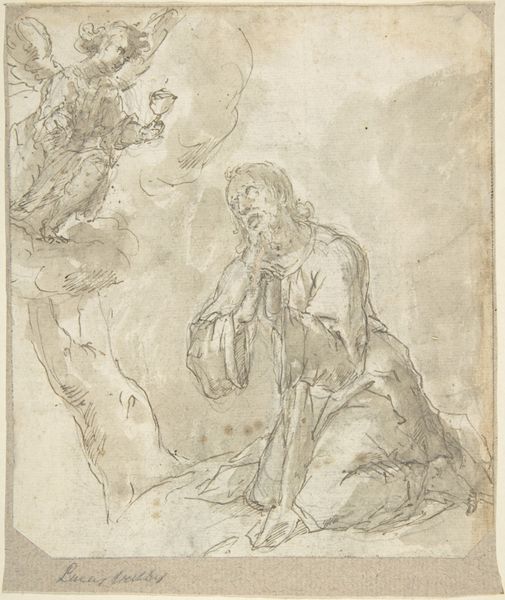
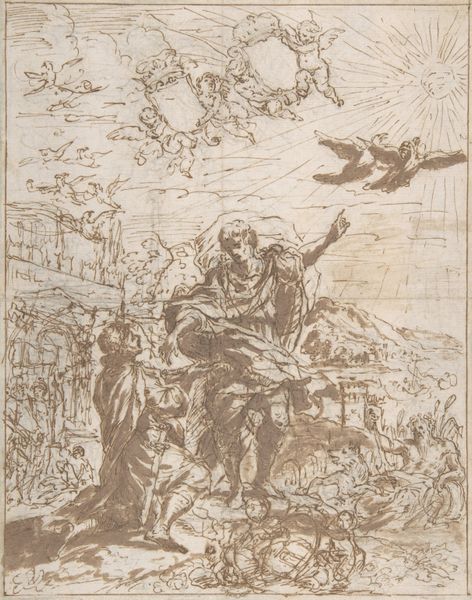
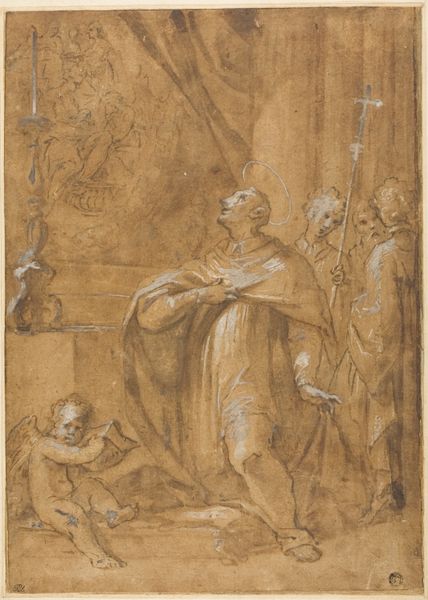
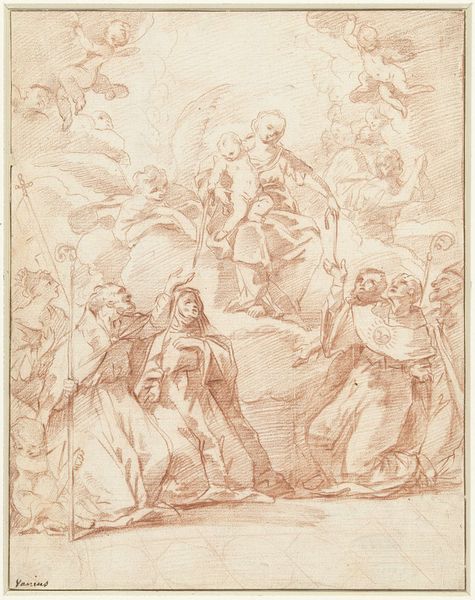
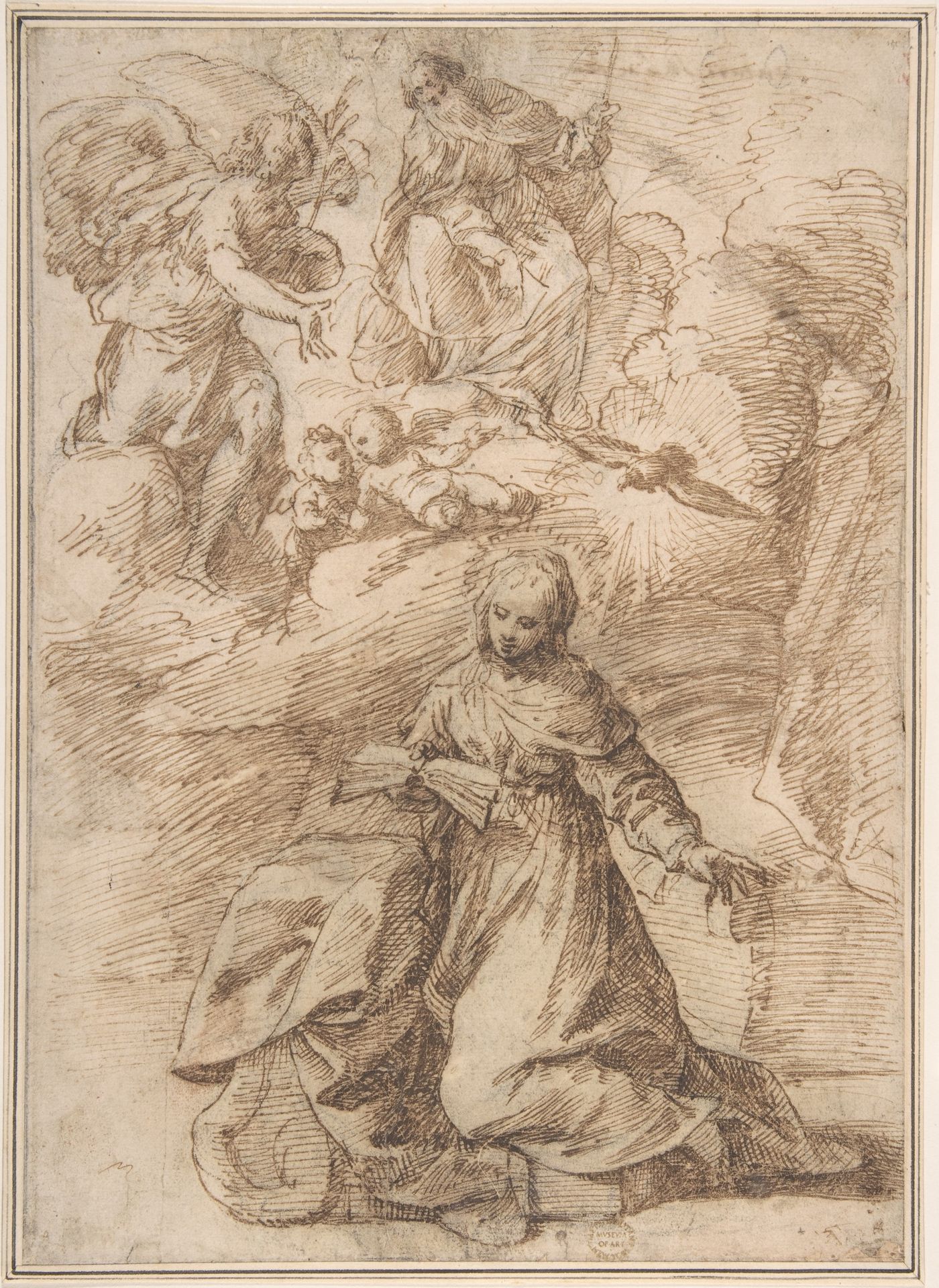
This pen and brown ink drawing titled, "Annunciation," is by an anonymous artist. It depicts the biblical scene where the angel Gabriel informs Mary that she will conceive and bear a son, Jesus. The image's meaning is created through visual codes, cultural references, and historical associations. Likely created in Europe, this drawing reflects the heavy influence of the Catholic church. The church has historically played a major role in shaping artistic production, dictating subject matter, style, and even the materials used. This particular image reinforces the church's teachings and reaffirms its authority. The drawing is self-consciously conservative. As a historian, further understanding requires research into the patronage system of the time, the role of religious institutions, and the social status of artists. The meaning of art is contingent on its social and institutional context.
Annunciation
1600 - 1700


Artwork details
- Medium
- drawing, print, ink, engraving
- Dimensions
- 11-5/8 x 8-1/4 in. (29.5 x 21.0 cm)
- Location
- Metropolitan Museum of Art, New York, NY
- Copyright
- Public Domain
Tags
Comments
Share your thoughts
About this artwork
This pen and brown ink drawing titled, "Annunciation," is by an anonymous artist. It depicts the biblical scene where the angel Gabriel informs Mary that she will conceive and bear a son, Jesus. The image's meaning is created through visual codes, cultural references, and historical associations. Likely created in Europe, this drawing reflects the heavy influence of the Catholic church. The church has historically played a major role in shaping artistic production, dictating subject matter, style, and even the materials used. This particular image reinforces the church's teachings and reaffirms its authority. The drawing is self-consciously conservative. As a historian, further understanding requires research into the patronage system of the time, the role of religious institutions, and the social status of artists. The meaning of art is contingent on its social and institutional context.
Comments
Share your thoughts