1650 - 1703
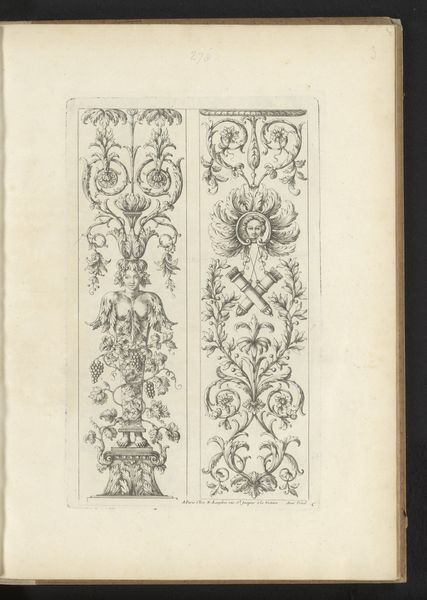
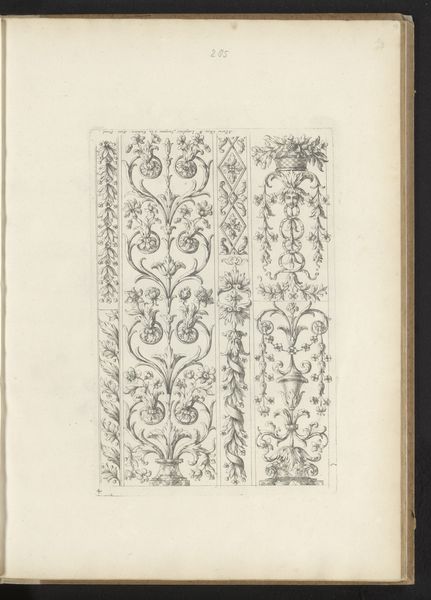
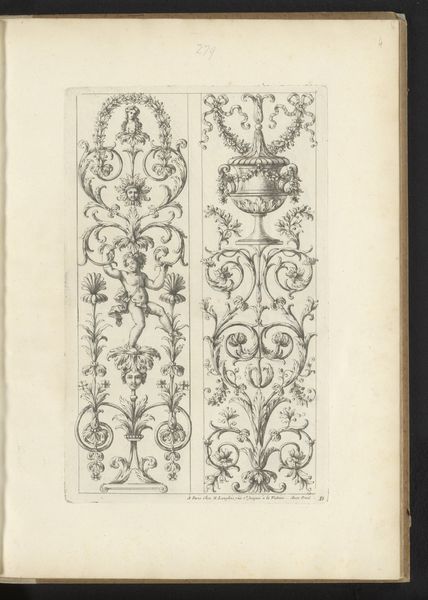
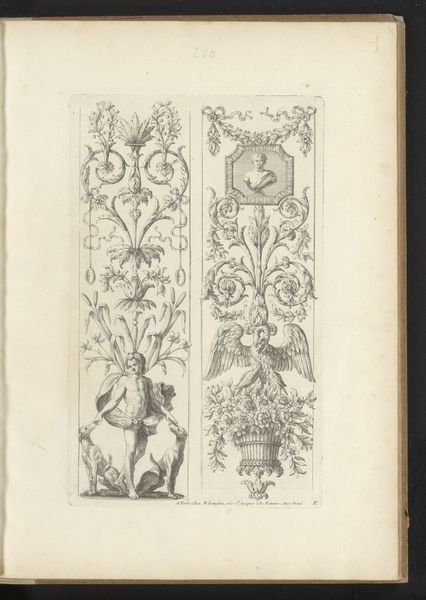
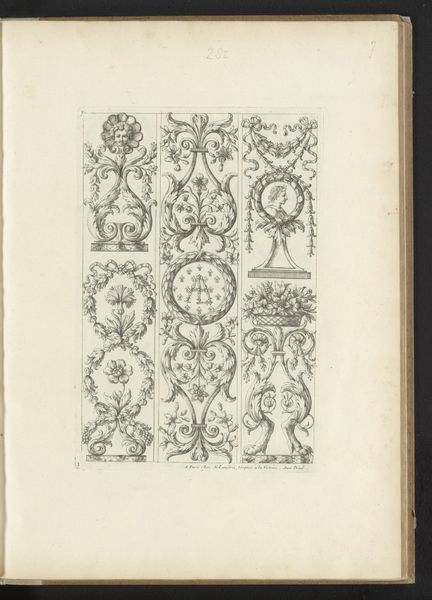
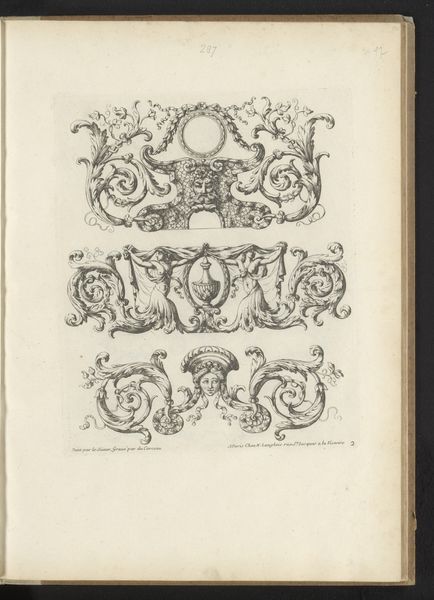
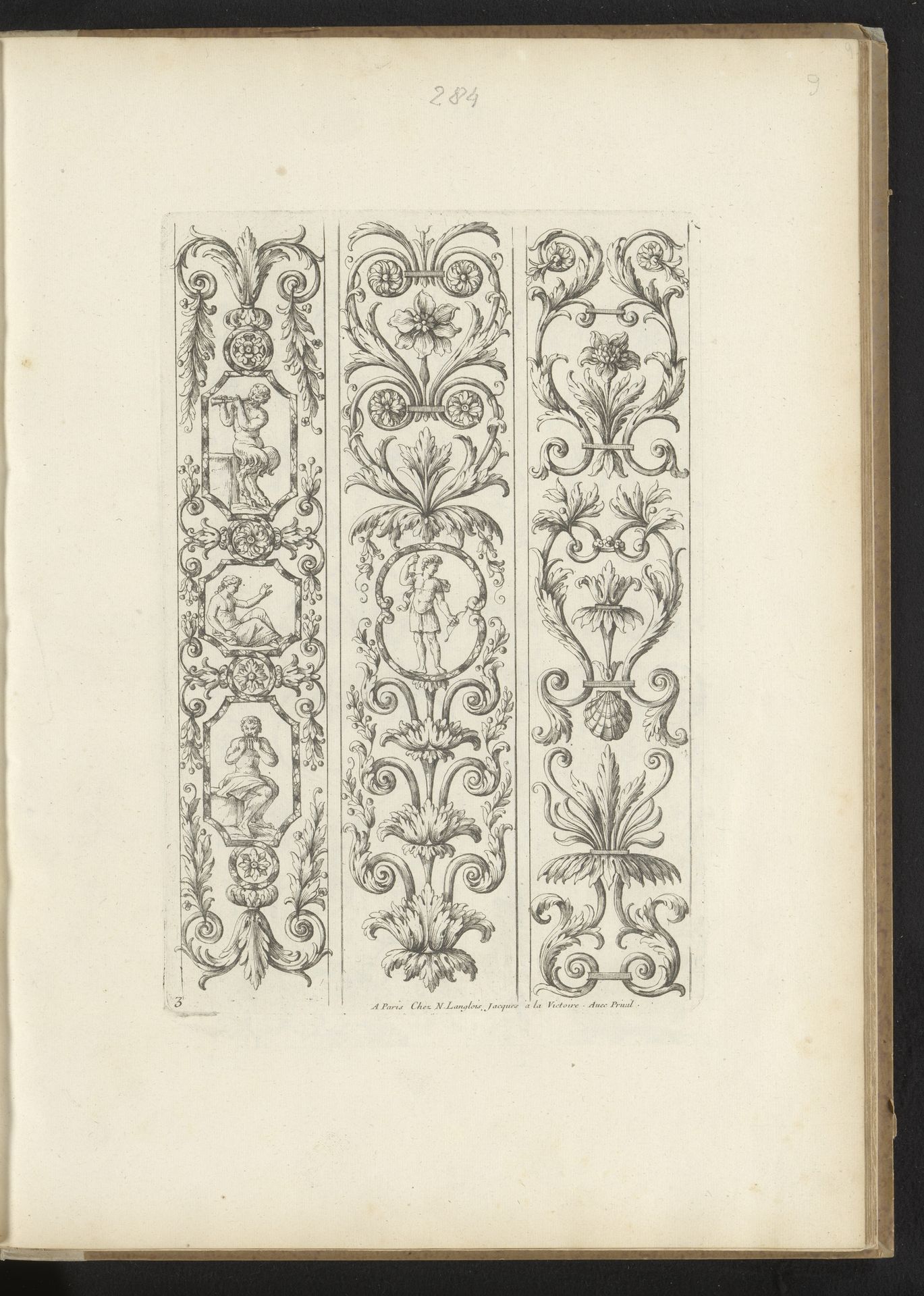
Ornamenten met acanthusranken en saters

Paul Androuet Ducerceau
1623 - 1710Location
RijksmuseumListen to curator's interpretation
Curatorial notes
These ornaments with acanthus scrolls and satyrs were created by Paul Androuet Ducerceau, likely in Paris in the late 17th century. As an etching, the lines you see were incised into a metal plate, which was then inked and printed onto paper. What’s interesting is how Ducerceau has used this reproducible medium to present ornament, something normally unique and hand-wrought. Etchings like this would have been pattern books for artisans; imagine a wood carver, or a plaster worker, using them as a source for their own creations. The flowing lines of the acanthus leaves, and the playful figures of the satyrs, suggest the kind of exuberant decoration that would have been fashionable in the court of Louis XIV. And that’s really the point here: this etching demonstrates the dissemination of elite taste. The graphic medium becomes a crucial link in the chain of production and consumption. Rather than dismissing this print as ‘just’ ornament, we should recognize its central role in the system of luxury.