About this artwork
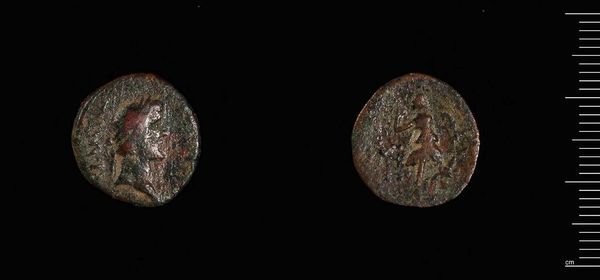
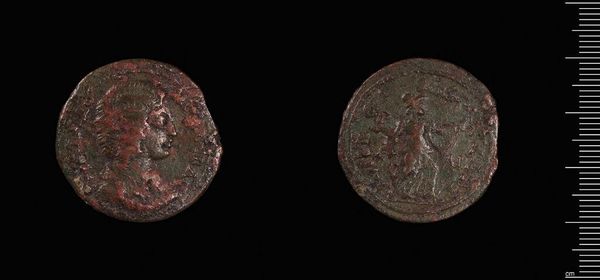
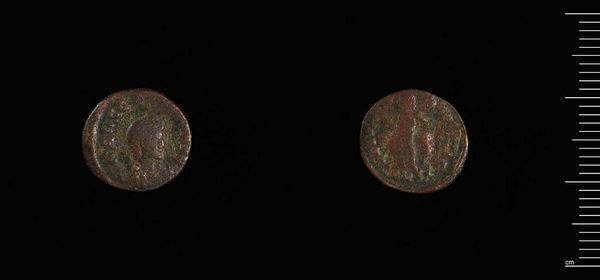
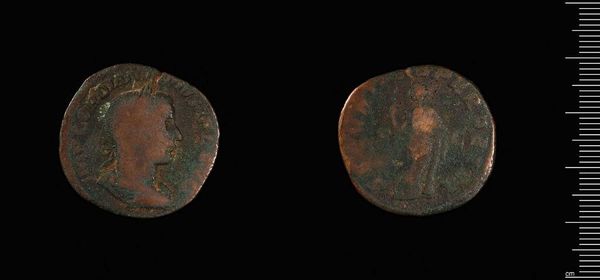
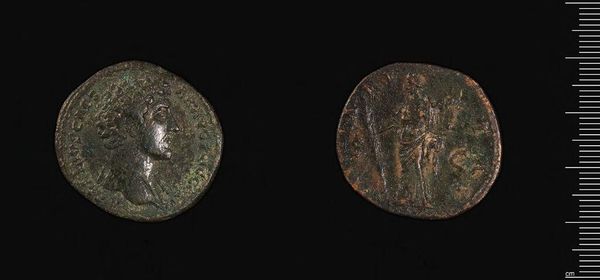
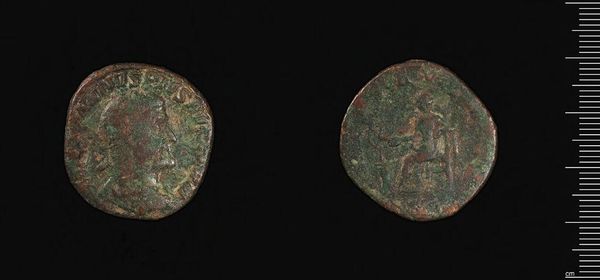
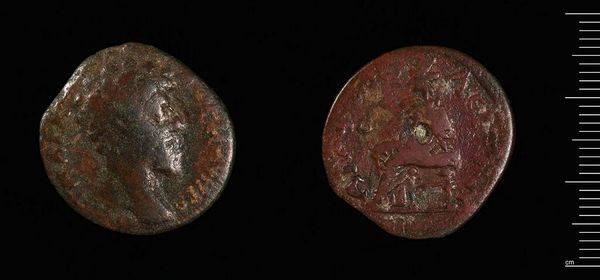
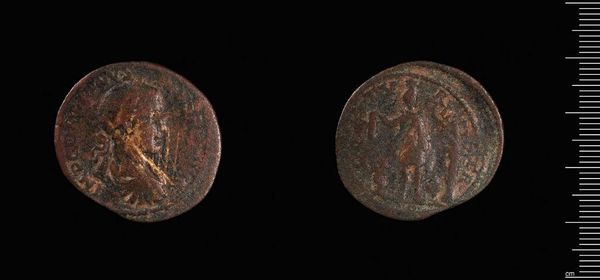
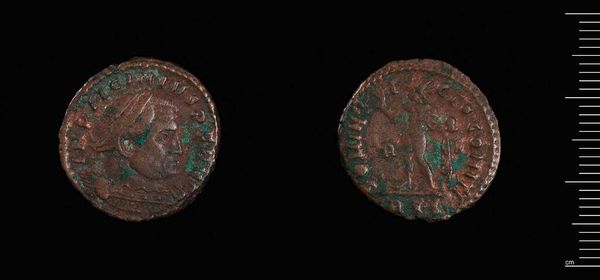
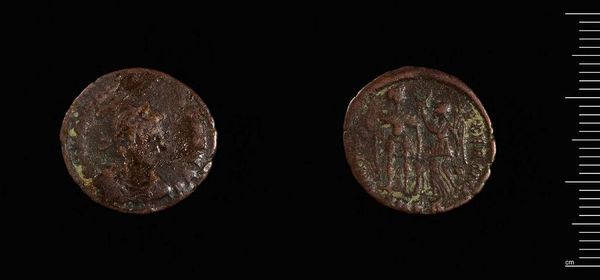
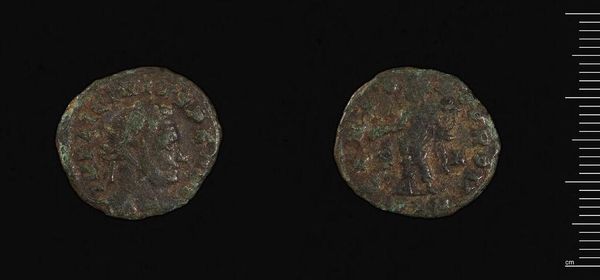
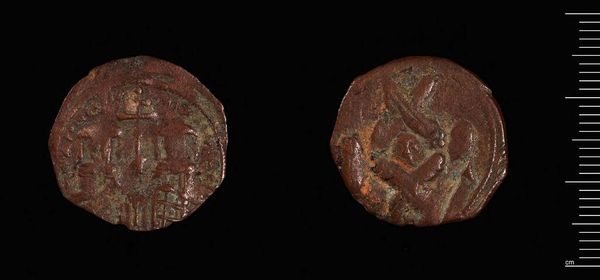
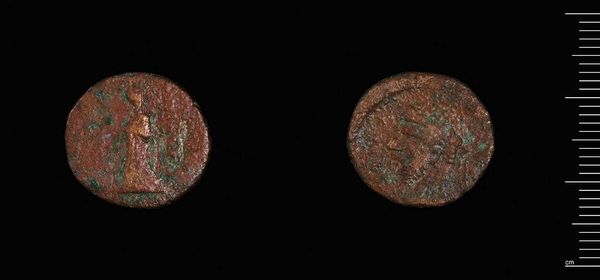
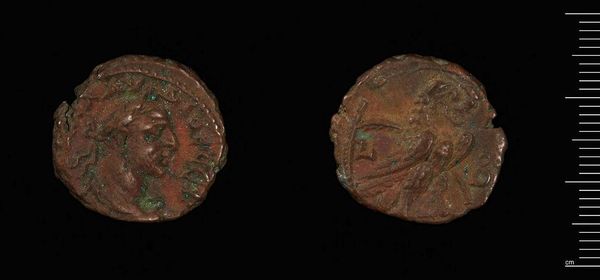
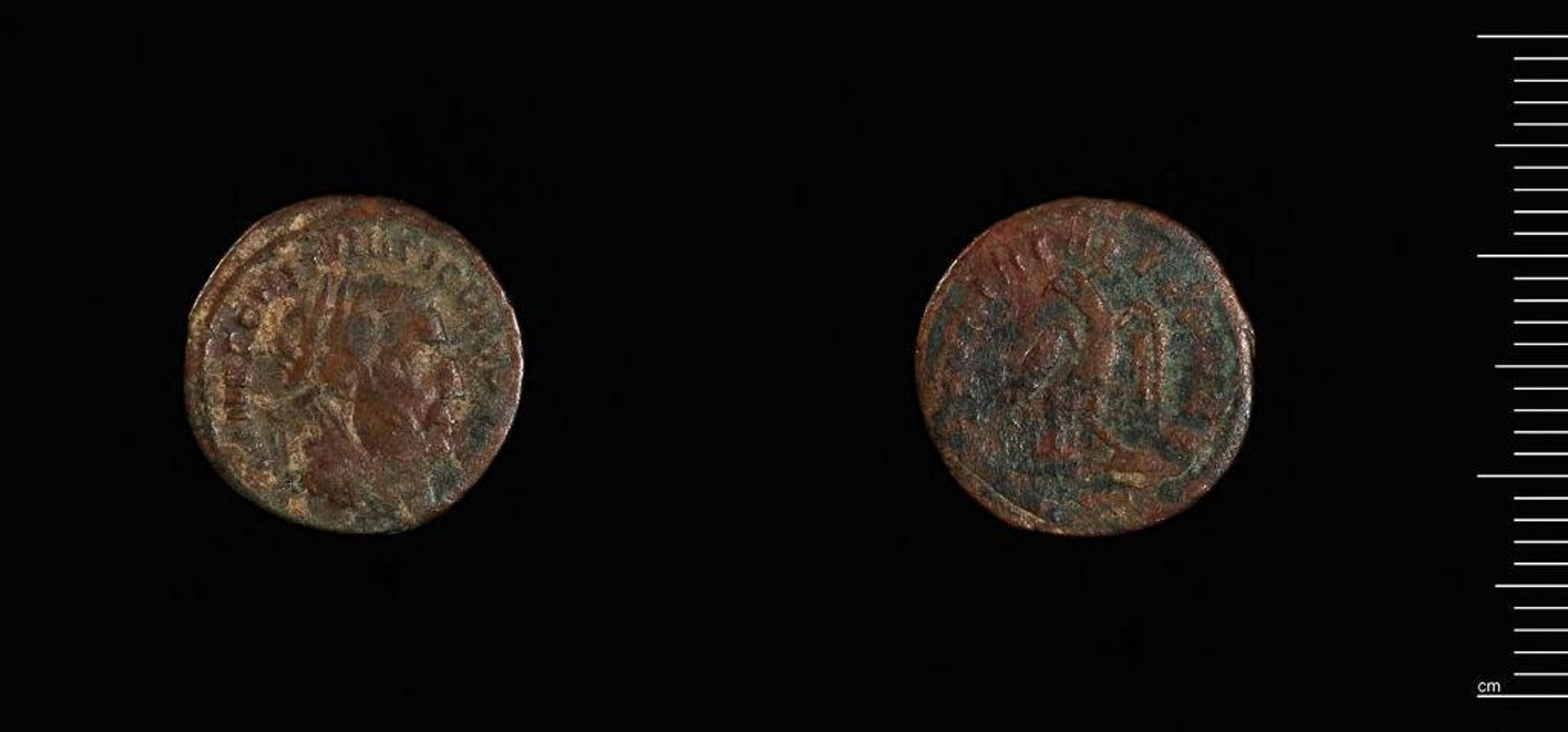
Editor: Here we have a Fraction of Divus Constantius I, a Roman coin. Its worn surface makes me think about the passage of time and the empires that have risen and fallen. What stories do you see in this little artifact? Curator: This coin whispers of power structures and constructed identities. Who decided whose image would be circulated? How did this influence perceptions of leadership and legitimacy within the Roman Empire and beyond? Editor: So, it's not just money but also propaganda? Curator: Precisely. Currency was a vital tool in shaping narratives and reinforcing power dynamics, a means to solidify an emperor’s image through mass distribution. Think about whose faces are on our money today and what that signifies. Editor: That gives me a lot to think about – power, representation, and even who gets remembered. Curator: Indeed. Even this fraction offers a glimpse into the complexities of identity, power, and representation.
Fraction of Divus Constantius I, Rome
317 - 318

Artwork details
- Dimensions
- 1.54 g
- Location
- Harvard Art Museums
- Copyright
- CC0 1.0
Comments
Share your thoughts
About this artwork
Editor: Here we have a Fraction of Divus Constantius I, a Roman coin. Its worn surface makes me think about the passage of time and the empires that have risen and fallen. What stories do you see in this little artifact? Curator: This coin whispers of power structures and constructed identities. Who decided whose image would be circulated? How did this influence perceptions of leadership and legitimacy within the Roman Empire and beyond? Editor: So, it's not just money but also propaganda? Curator: Precisely. Currency was a vital tool in shaping narratives and reinforcing power dynamics, a means to solidify an emperor’s image through mass distribution. Think about whose faces are on our money today and what that signifies. Editor: That gives me a lot to think about – power, representation, and even who gets remembered. Curator: Indeed. Even this fraction offers a glimpse into the complexities of identity, power, and representation.
Comments
Share your thoughts