About this artwork
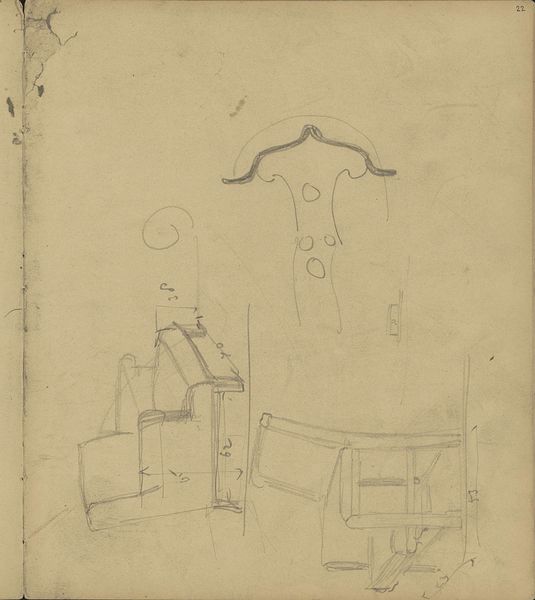
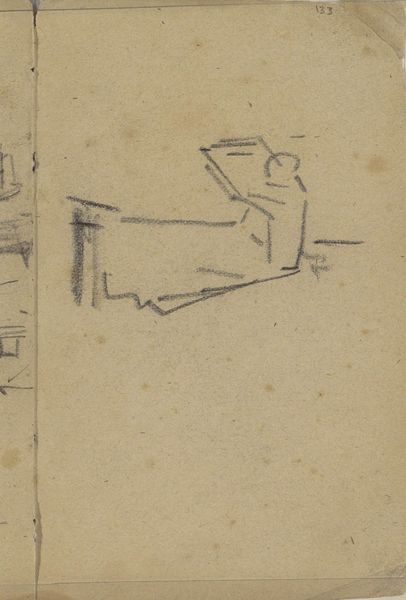
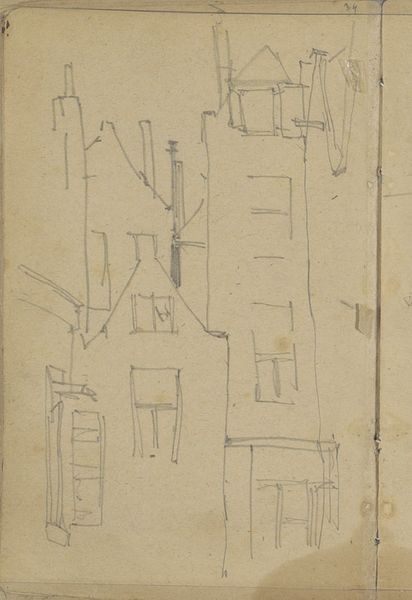
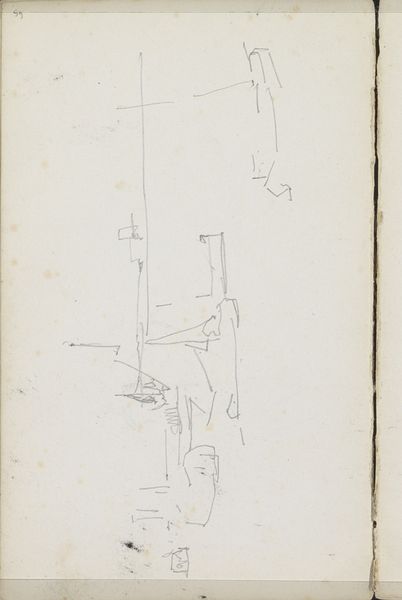
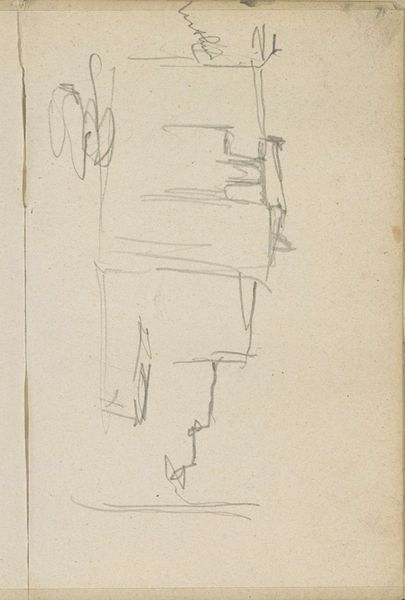
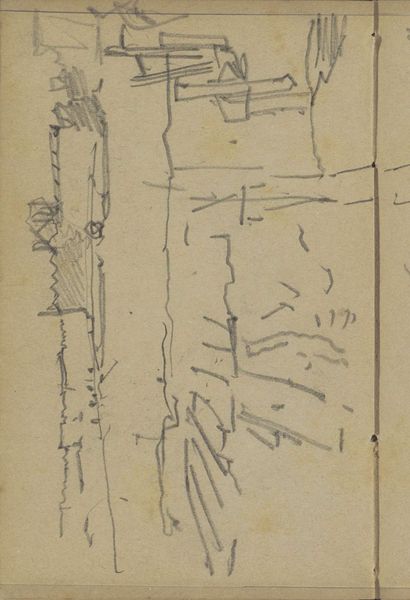
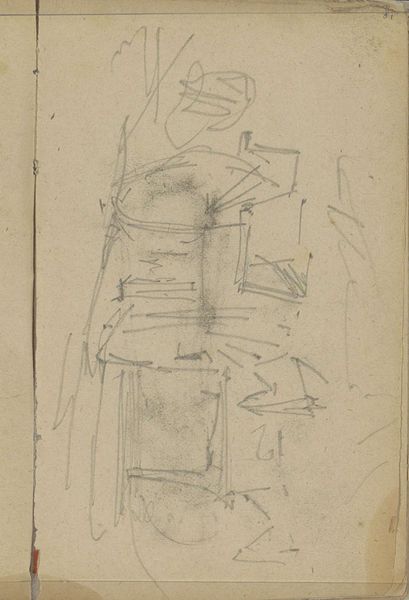
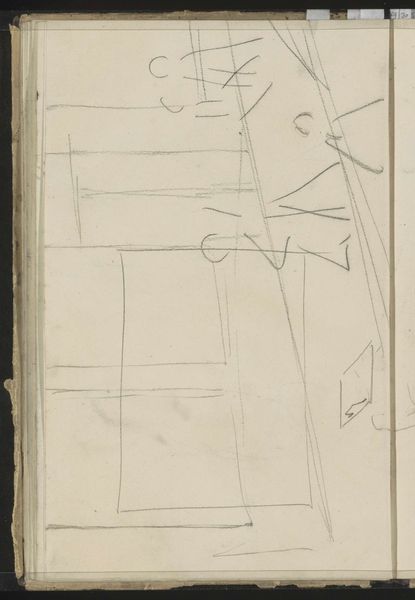
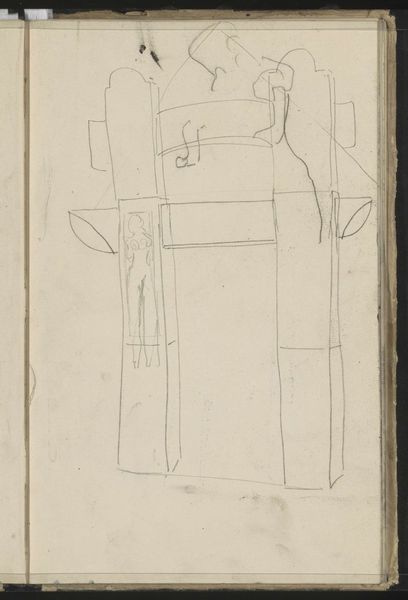
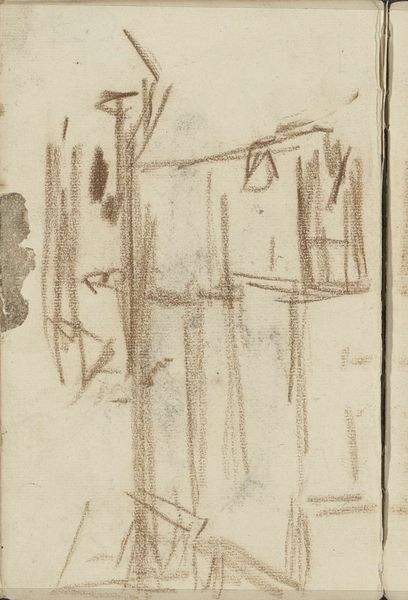
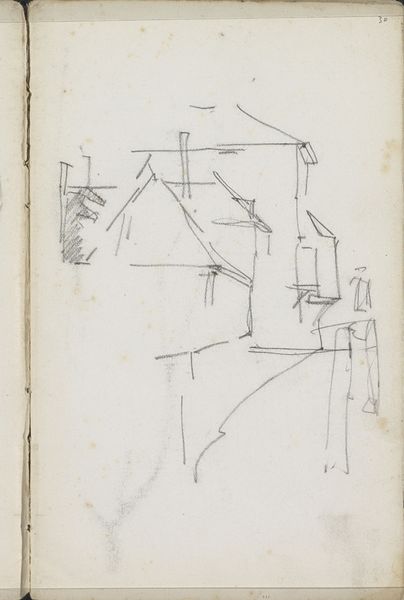
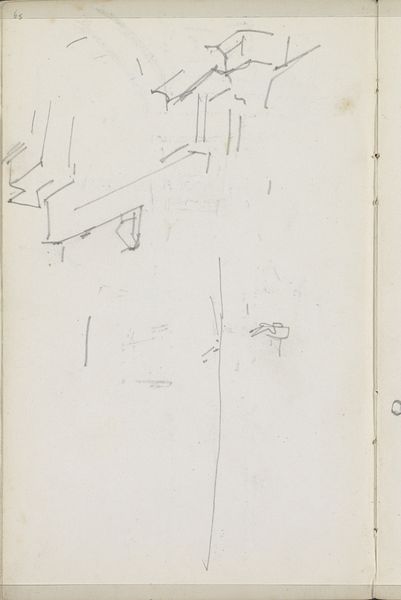
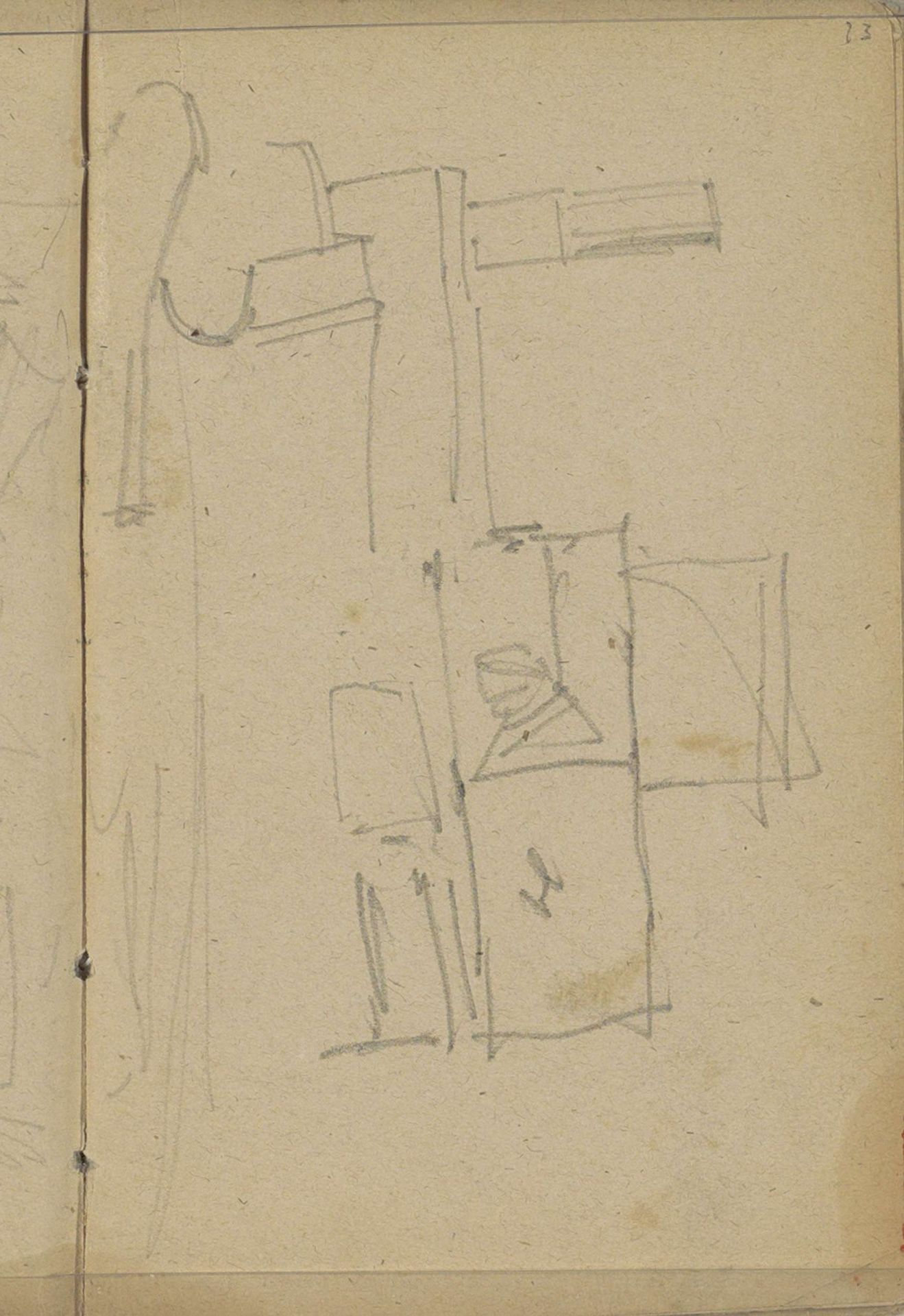
This sketch, "Studie, mogelijk van een boot," by George Hendrik Breitner, invites us into a world of raw, nascent form. The pencil strokes dance across the page, conjuring a potential vessel through a skeletal framework of lines. The composition is intriguing; the artist uses a structural approach, reducing the boat to a series of geometric shapes. Vertical and horizontal lines intersect, creating a sense of depth and volume. This interplay suggests a tension between flatness and three-dimensionality, echoing the modernist exploration of space. Breitner's marks, while sparse, are deliberate. They function as signs, hinting at the boat's structure. The sketch destabilizes our conventional understanding of representation. The artwork emphasizes its constructed nature. It shows how meaning emerges from the arrangement of elementary forms. This emphasis on structure reflects broader philosophical inquiries into how we perceive and interpret the world.
Studie, mogelijk van een boot
1881 - 1883

George Hendrik Breitner
1857 - 1923Location
RijksmuseumArtwork details
- Medium
- drawing, paper, pencil
- Location
- Rijksmuseum
- Copyright
- Rijks Museum: Open Domain
Tags
Comments
Share your thoughts
About this artwork
This sketch, "Studie, mogelijk van een boot," by George Hendrik Breitner, invites us into a world of raw, nascent form. The pencil strokes dance across the page, conjuring a potential vessel through a skeletal framework of lines. The composition is intriguing; the artist uses a structural approach, reducing the boat to a series of geometric shapes. Vertical and horizontal lines intersect, creating a sense of depth and volume. This interplay suggests a tension between flatness and three-dimensionality, echoing the modernist exploration of space. Breitner's marks, while sparse, are deliberate. They function as signs, hinting at the boat's structure. The sketch destabilizes our conventional understanding of representation. The artwork emphasizes its constructed nature. It shows how meaning emerges from the arrangement of elementary forms. This emphasis on structure reflects broader philosophical inquiries into how we perceive and interpret the world.
Comments
Share your thoughts