1877
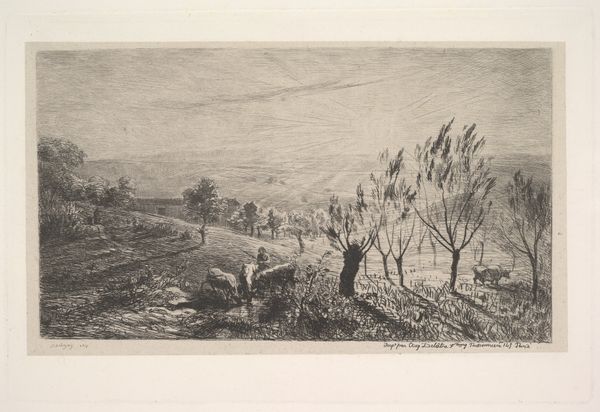
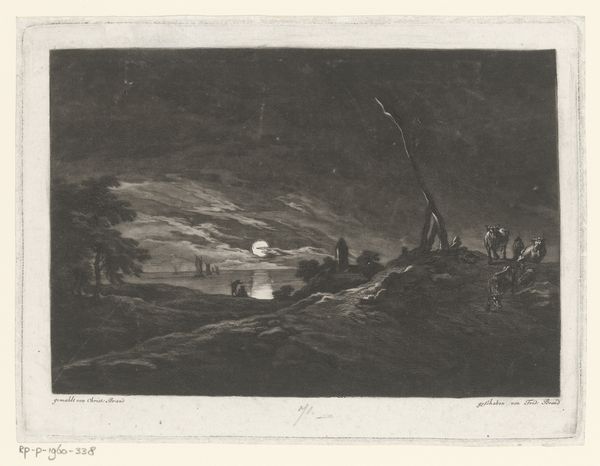
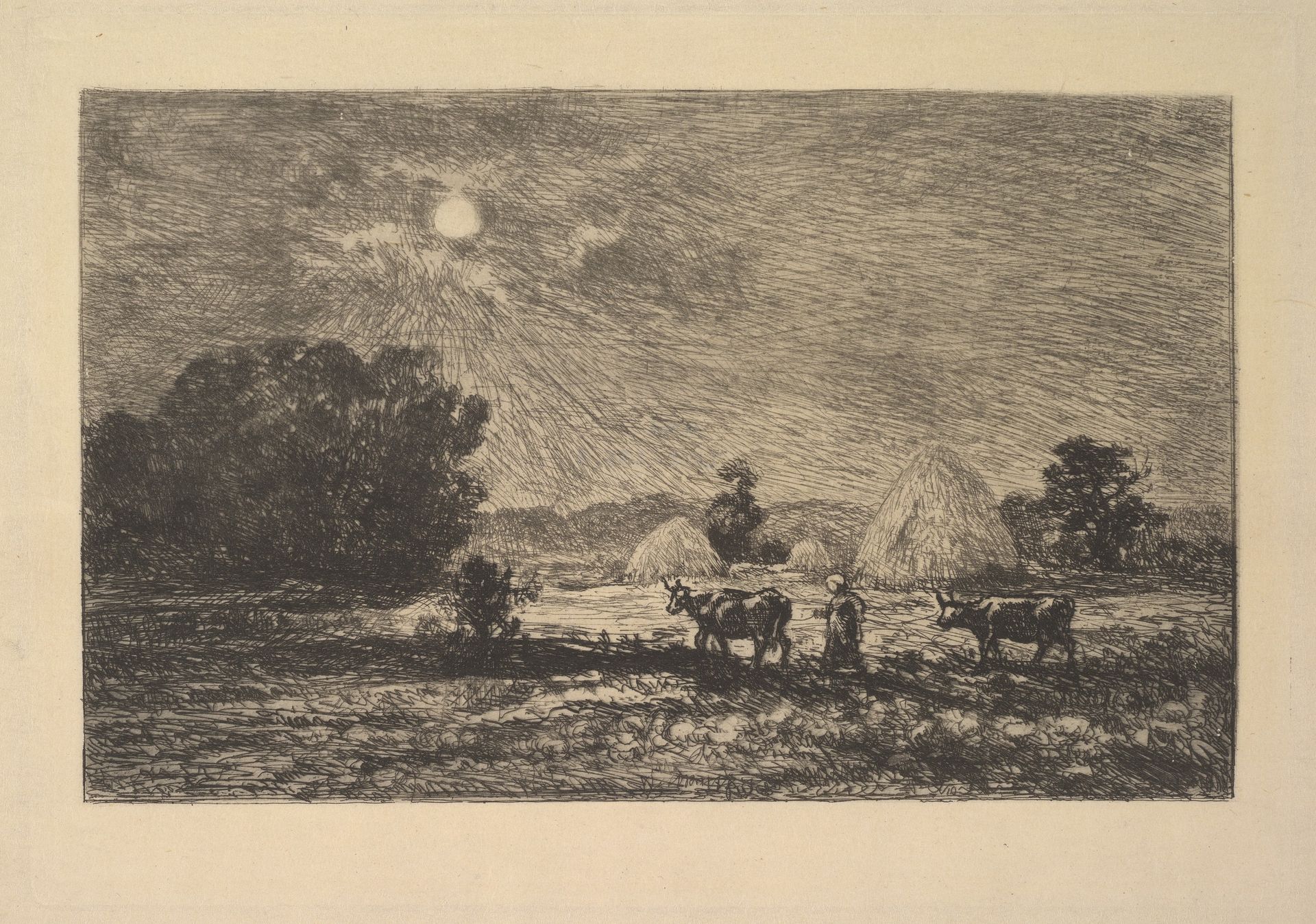
Clair de Lune à Valmondois

Charles François Daubigny
1817 - 1878
The Metropolitan Museum of Art
Metropolitan Museum of Art, New York, NYListen to curator's interpretation
Curatorial notes
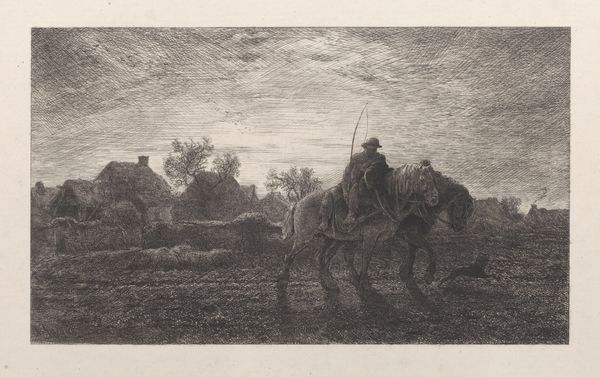
This is "Clair de Lune à Valmondois" by Charles François Daubigny, rendered with delicate etching. The moon, the primary symbol here, looms large, casting an ethereal glow over the landscape and its inhabitants. The moon, an age-old symbol of cyclical change and mystery, often embodies the feminine principle, fertility, and the subconscious. We see it echoed across centuries, from ancient lunar goddesses like Selene to its appearance in Romantic poetry and art. Think of Caspar David Friedrich’s moonlit scenes, where it evokes introspection and the sublime. The moon has undergone countless reinterpretations, yet it retains a core association with the emotional and irrational. Daubigny’s moon evokes a similar sense of wonder and contemplation. The scene engages us on a deeply personal level. It's a dance between light and shadow, stirring within us the collective memory of nights under the moon. This image is a potent reminder of the moon's enduring power as a symbol, continuing its celestial journey through art and human consciousness.