1672
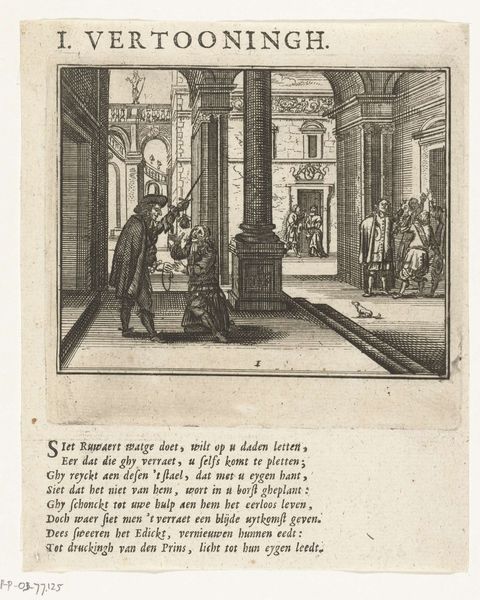
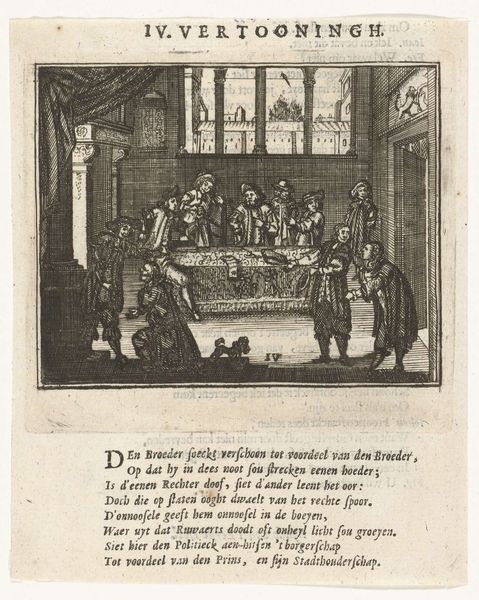
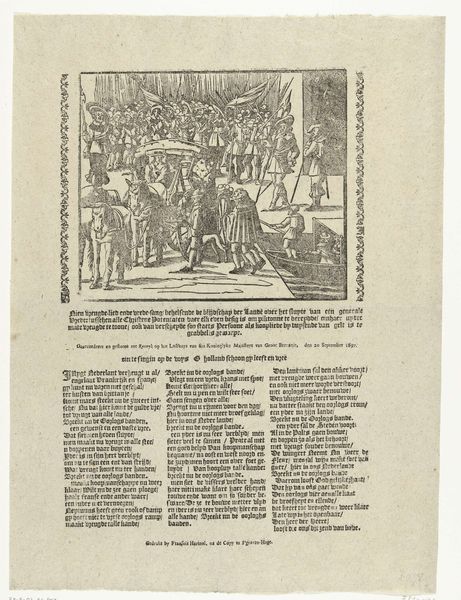
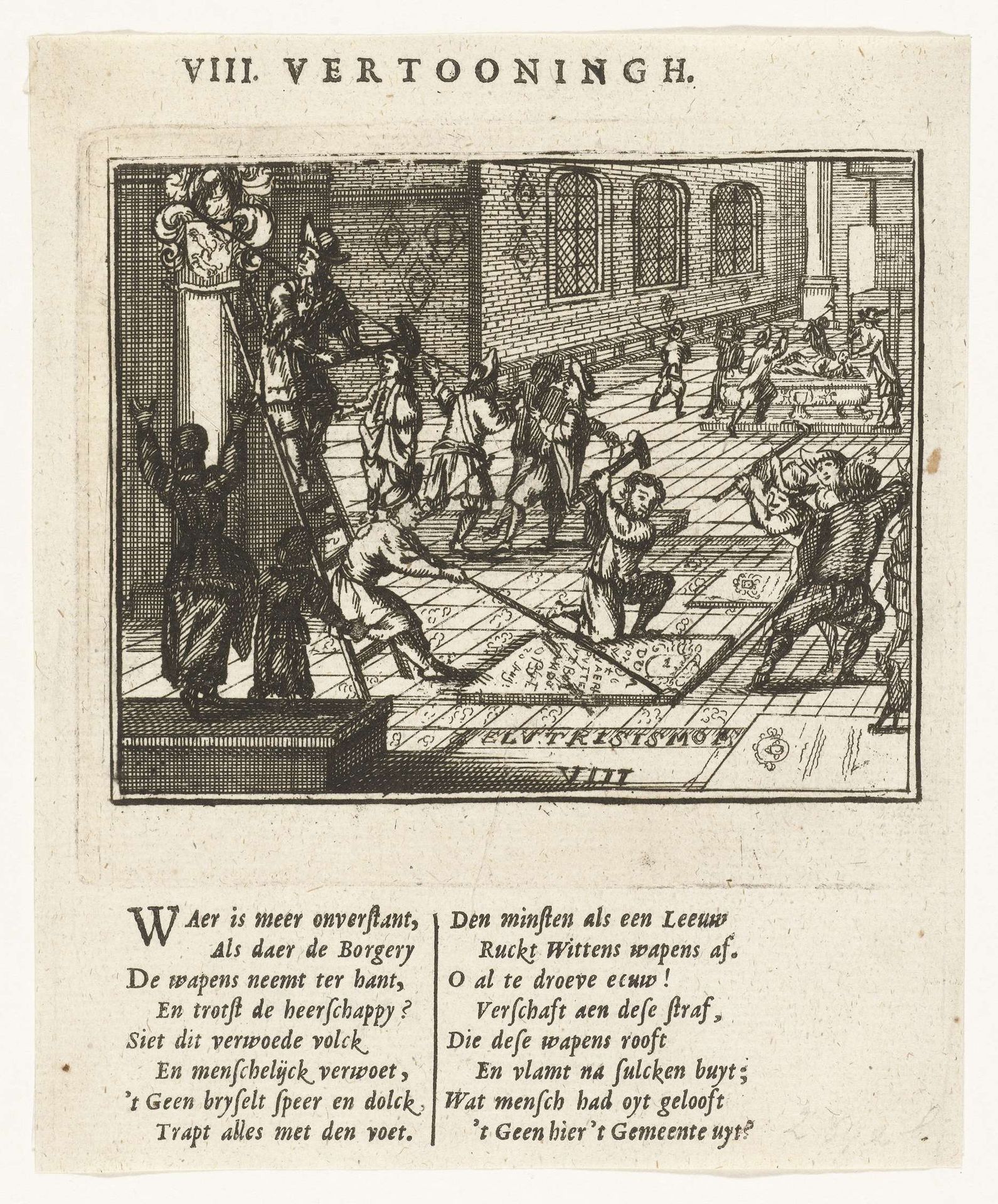
Het vernielen van de graven van de familie De Witt in de kerken van Den Haag, 1672

Anonymous
@anonymousLocation
RijksmuseumListen to curator's interpretation
Curatorial notes
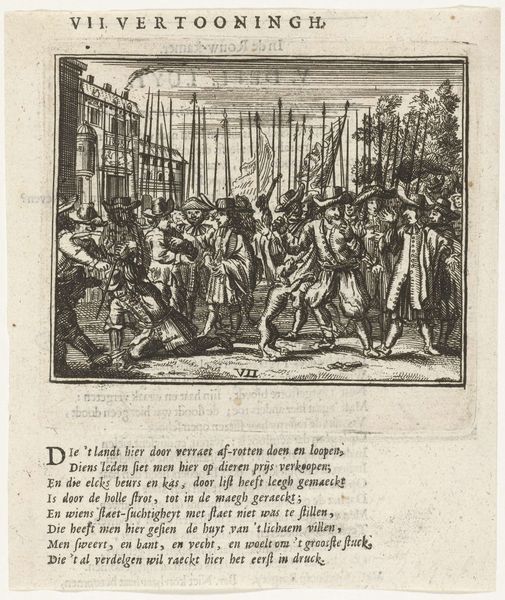
This print, likely made shortly after the event, depicts the desecration of the De Witt family graves in The Hague in 1672. The De Witt brothers, Johan and Cornelis, were prominent statesmen who were brutally murdered during a period of political turmoil in the Dutch Republic. The image is a stark reminder of the violence and political upheaval that marked this era. We see a frenzied mob, their faces contorted with rage, as they tear apart the tombs. The print underscores the fragility of power and the swiftness with which public sentiment can turn. But it also speaks to the deeply personal nature of grief and loss. The desecration of a family's final resting place is a profound violation, a painful erasure of memory and legacy. The print serves as a mirror reflecting the complexities of identity, belonging, and the ever-present threat of violence that can erupt when societies are deeply divided. It leaves us to reflect on the human capacity for both great cruelty and profound empathy.