c. late 19th century
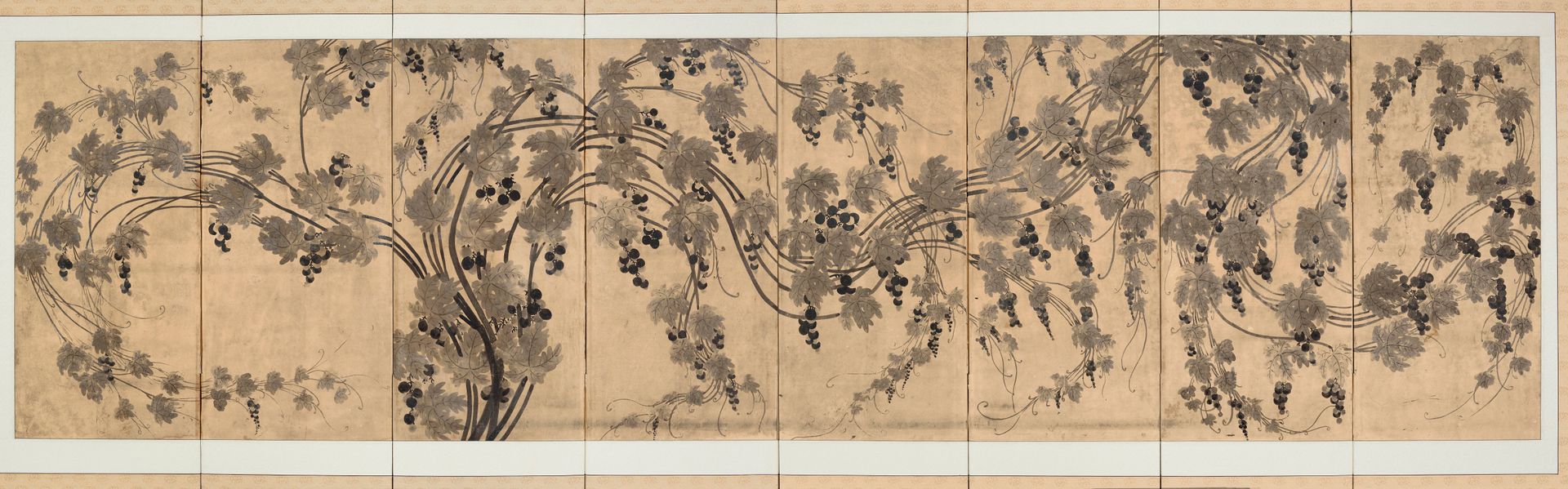
Grapevines


Listen to curator's interpretation
Curatorial notes
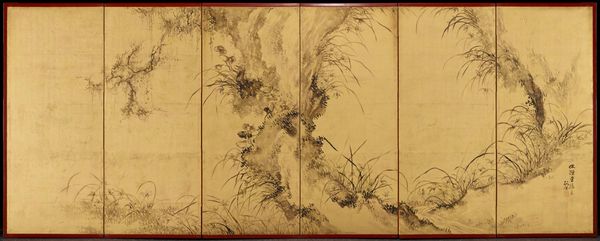
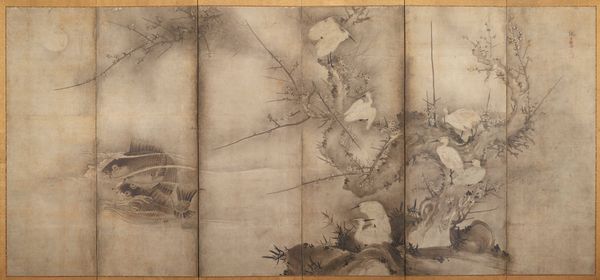
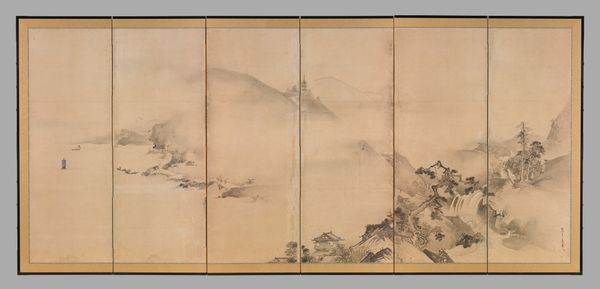
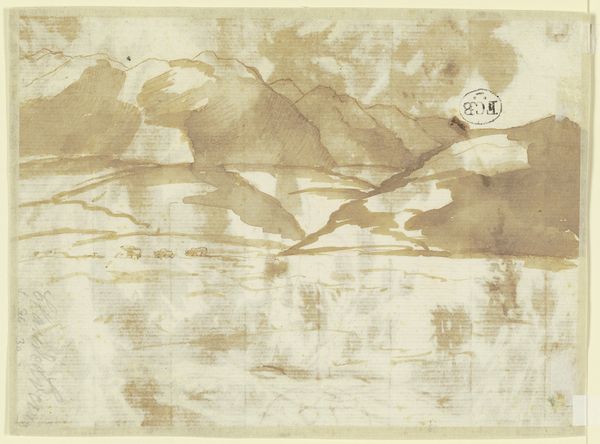
This long horizontal painting of grapevines, with no known date, is rendered in ink on paper by an anonymous artist. The composition immediately strikes one with its rhythmic linearity and contrast between the dark ink and the warm, tan background. The structural arrangement of the vines, leaves, and grapes across the panels isn’t simply representational; it’s a carefully orchestrated visual dance. The curves and arabesques of the vines create a sense of movement, guiding the viewer's eye from one panel to the next. Note how the artist uses varying densities of ink to suggest depth and texture, bringing a tactile quality to the leaves and grapes. Consider the influence of calligraphy, where each stroke carries meaning and intent beyond mere representation. The emphasis on line and form, rather than strict realism, invites us to contemplate the underlying structures of nature and art. It's a play of signs, where the grapevine becomes a symbol, open to interpretation through the lens of our own experiences and cultural codes. Ultimately, the formal elegance serves as a reminder that art transcends mere imitation.