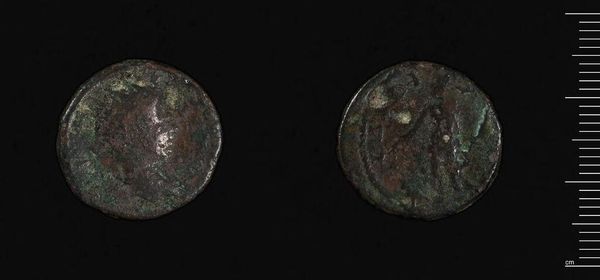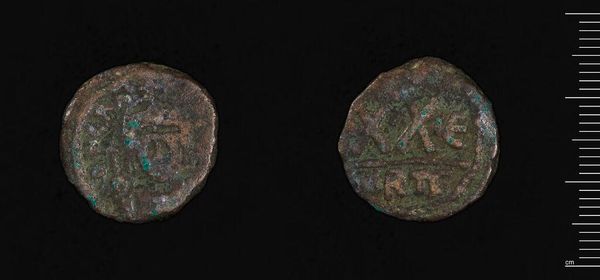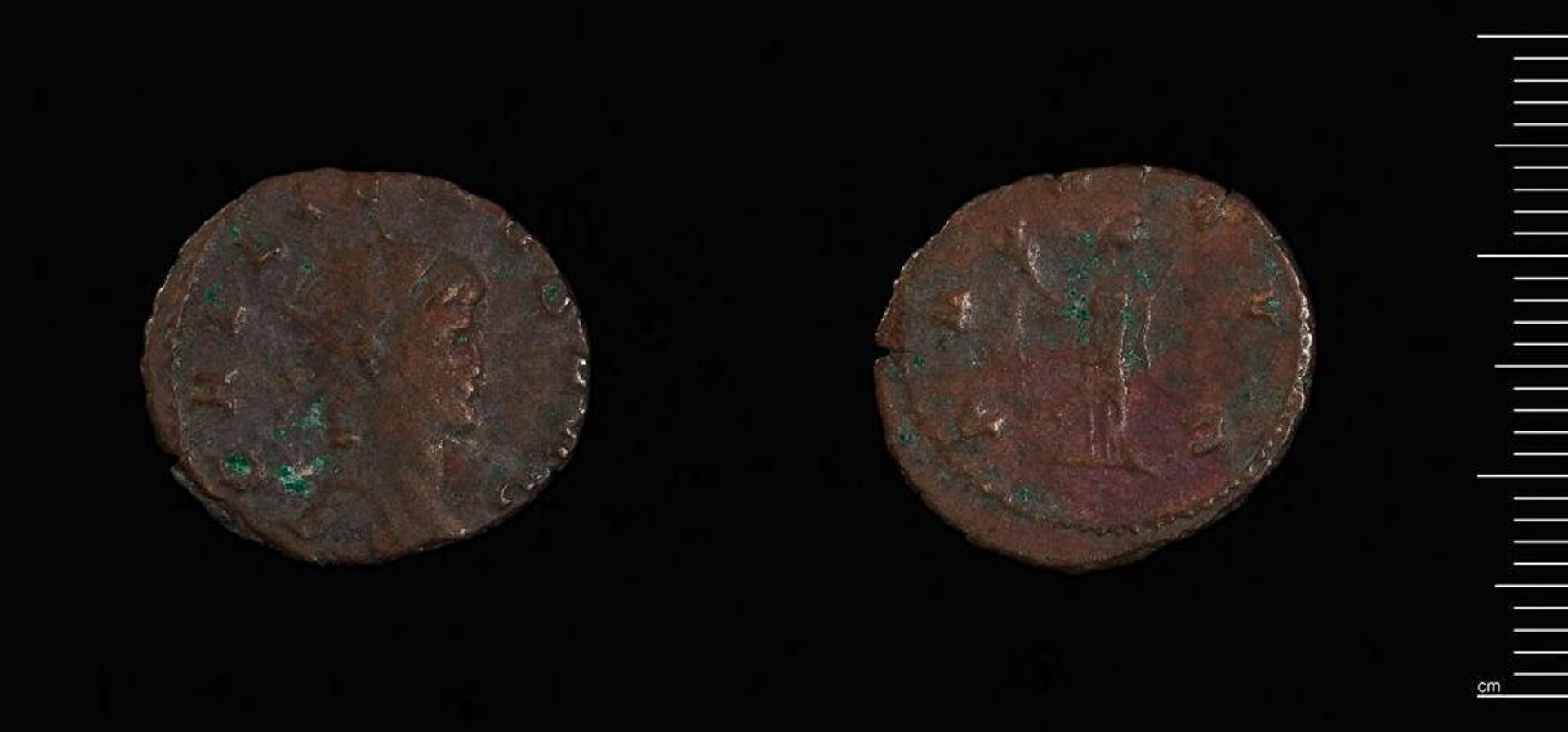
c. 3th century
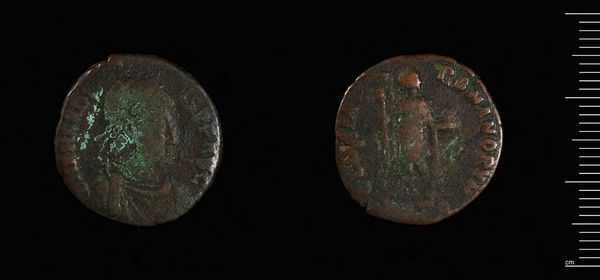
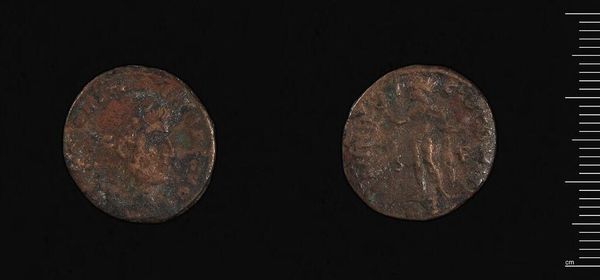
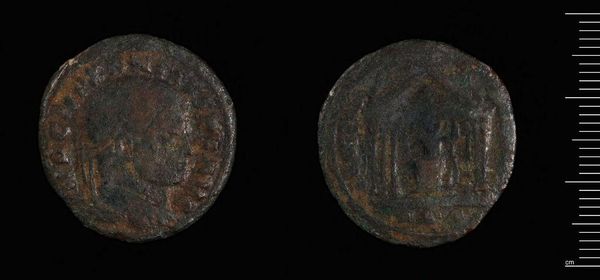
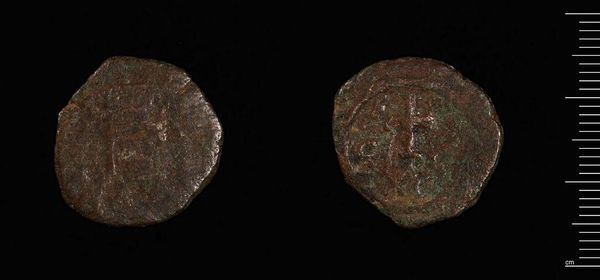
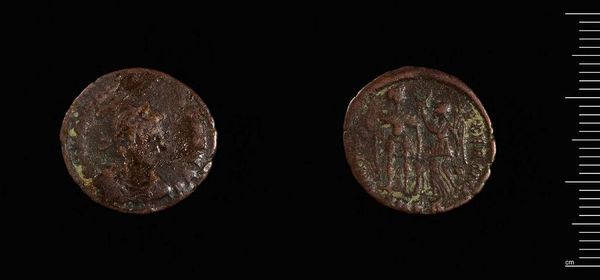
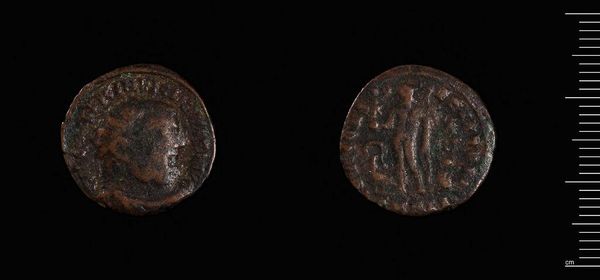
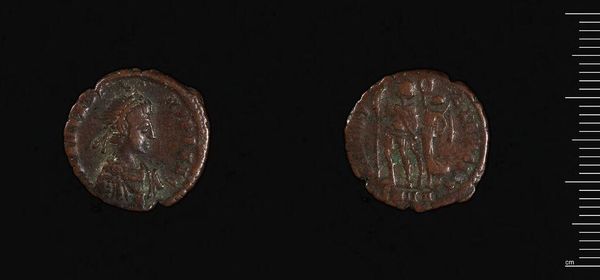
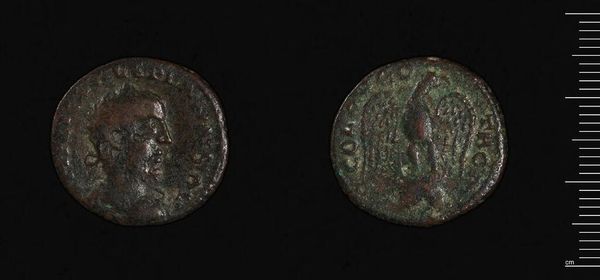
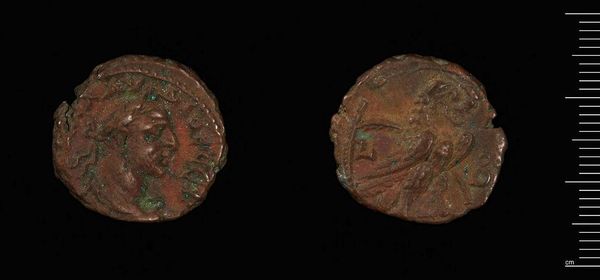
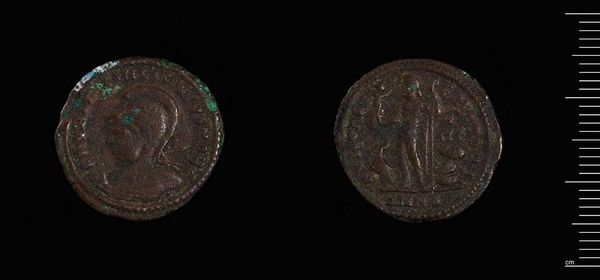
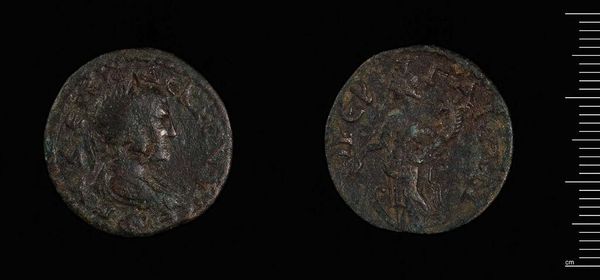
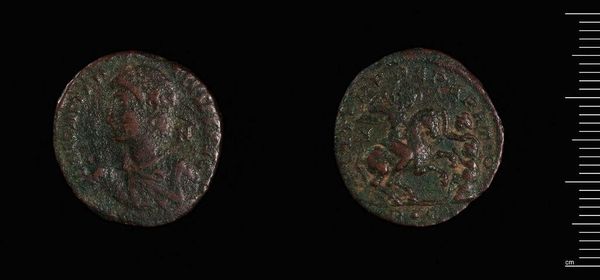
Coin of Gallienus

Listen to curator's interpretation
Curatorial notes
Curator: Here we have a bronze coin of Gallienus, currently residing in the Harvard Art Museums collection. Editor: Immediately, I'm struck by its weathered appearance. It speaks of time and handling, a tangible link to the past. Curator: Precisely. Coins like these were powerful tools of imperial propaganda, circulating images of the emperor far and wide. How do you interpret the imagery? Editor: I see a figure, likely an emperor, on one side, and a goddess on the other. The goddess would represent abstract virtues such as abundance or victory. They are potent symbols designed to evoke specific emotions and associations. Curator: And their widespread distribution was no accident. Coins served as miniature billboards, shaping public perception of the emperor and his reign. It's a fascinating intersection of art, politics, and economics. Editor: Indeed. The images they chose to represent on this coin were meant to resonate and stay with the people of the time. It's about control of the narrative. Curator: Exactly. It's a small object, but it offers a window into the values and power structures of its time. Editor: Thinking about it more deeply, it also invites us to reflect on what images and symbols we circulate today that might resonate in the future.