c. 19th century
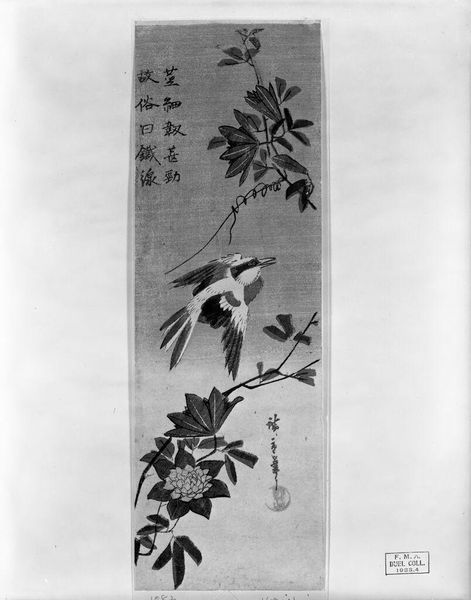
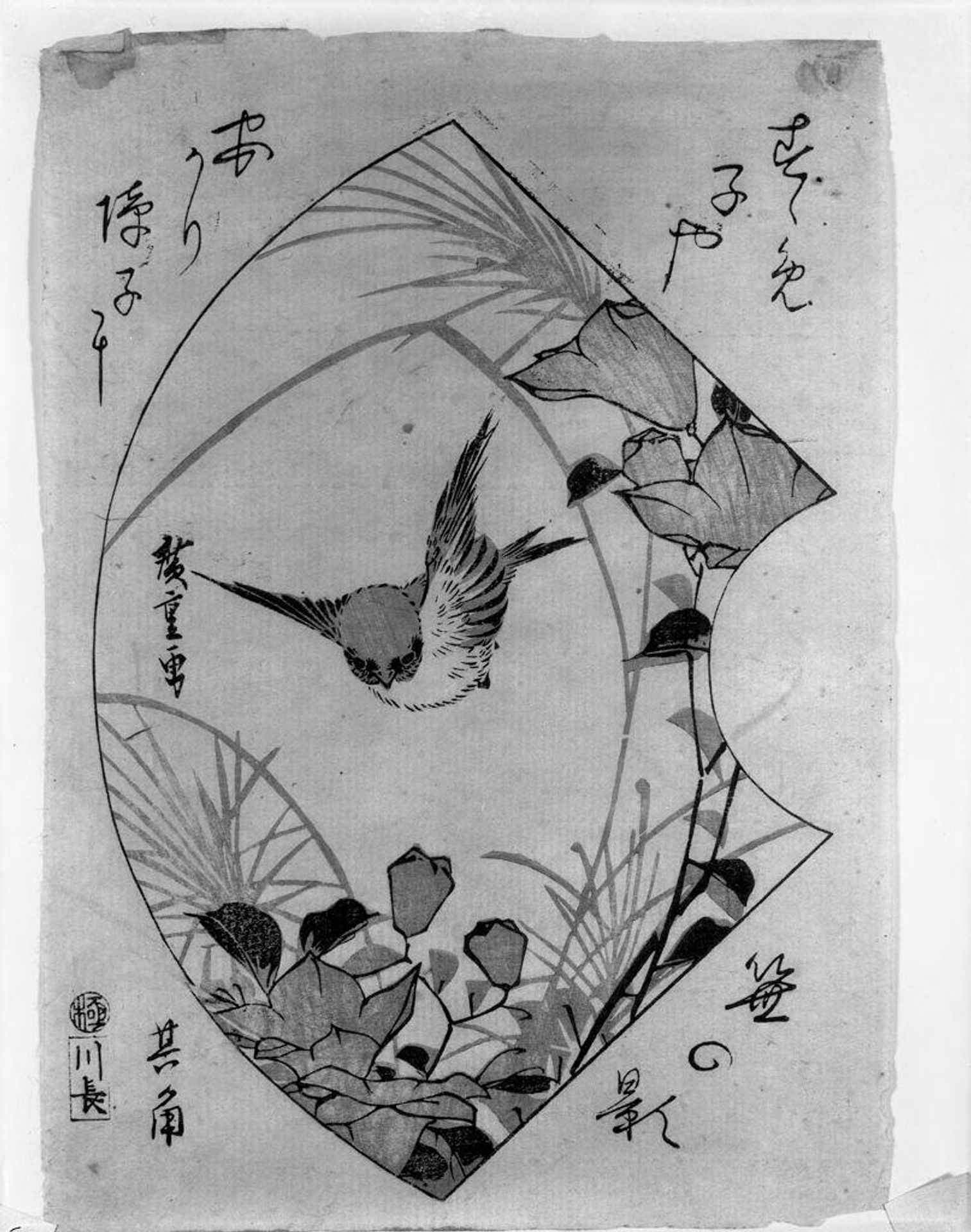
SPARROW AND KIKYO FLOWERS


Listen to curator's interpretation
Curatorial notes
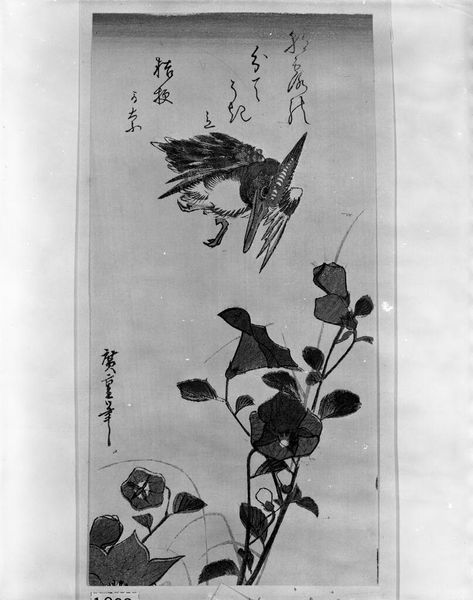
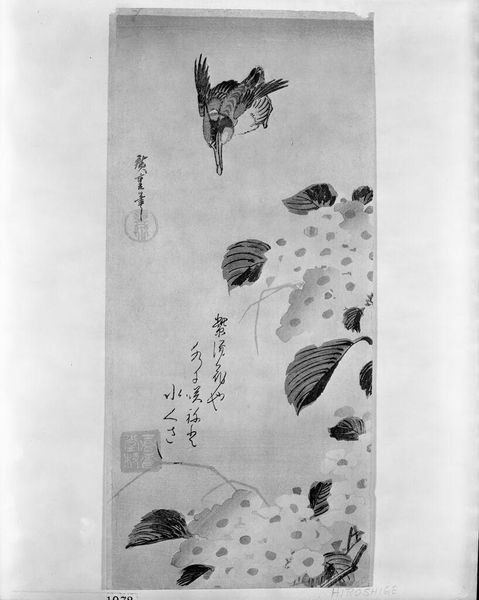
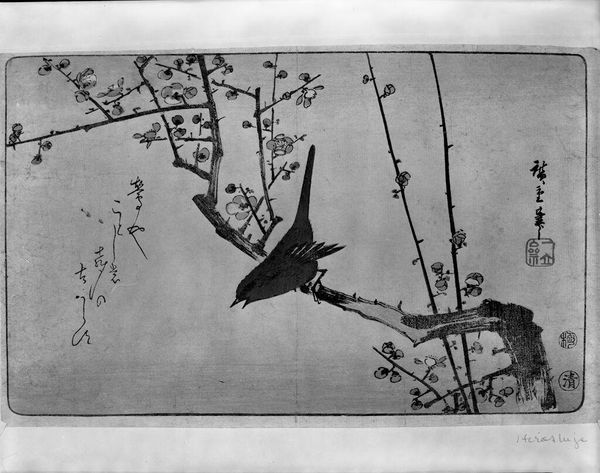
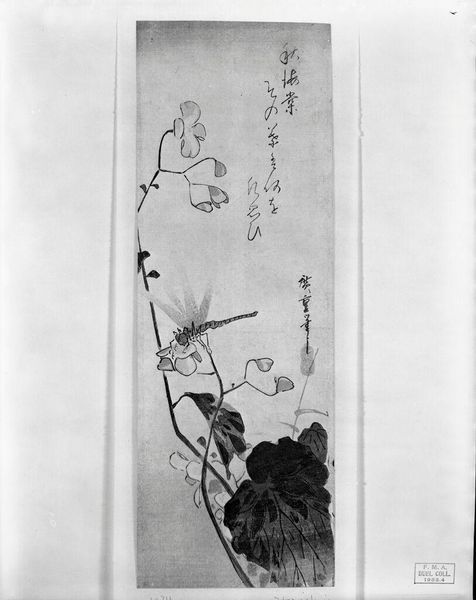
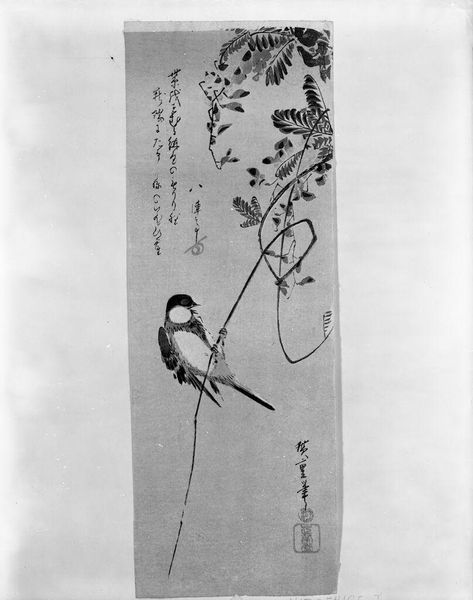
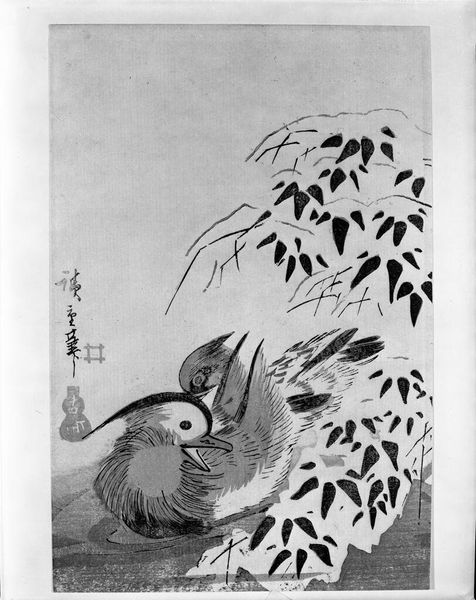
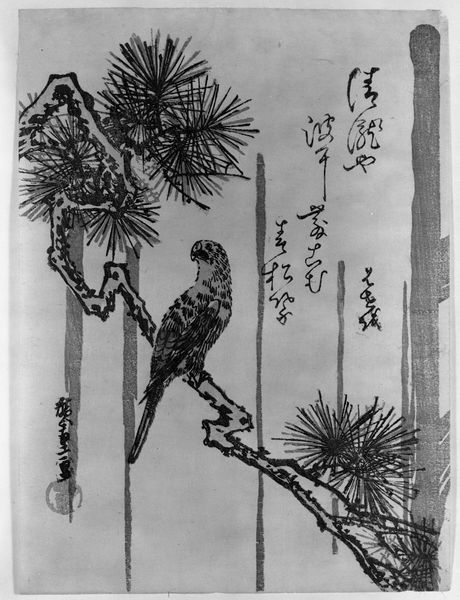
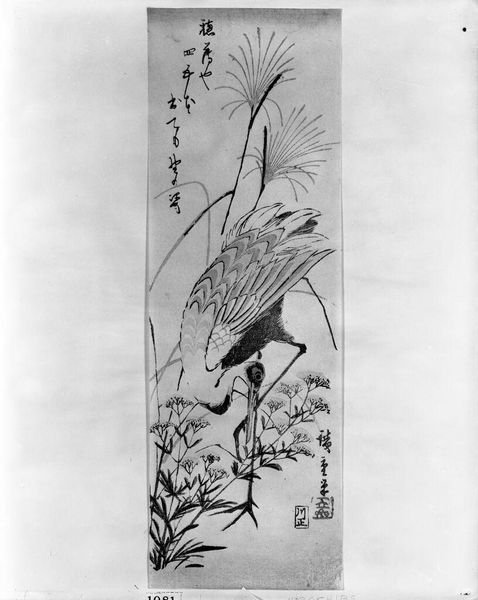
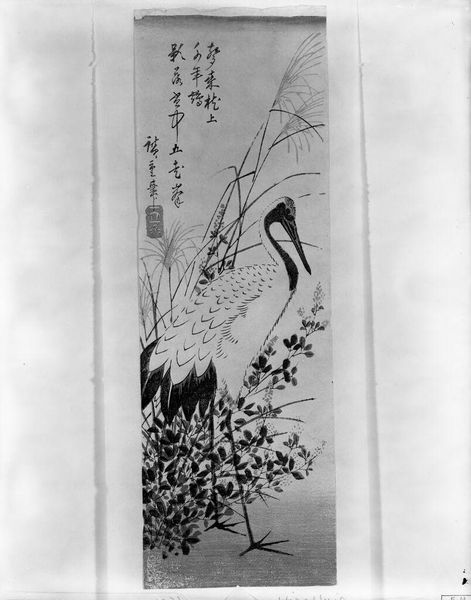
Curator: Here we have a print by Utagawa Hiroshige, who lived from 1797 to 1858. It's titled "Sparrow and Kikyo Flowers" and it's held at the Harvard Art Museums. Editor: My first thought is how weightless it feels. The whole composition just seems to float within that fan shape, so airy and free. Curator: Yes, the fan shape itself is an interesting symbol. Fans, in Japanese culture, often represent status, but they also suggest transience. Editor: The sparrow adds to that feeling of fleetingness, doesn't it? Sparrows often symbolize humility and simplicity, reminding us of life's small joys. Curator: Exactly, and the Kikyo flowers, or bellflowers, represent unchanging love. Perhaps Hiroshige is playing with these opposing ideas. Editor: Maybe it's about finding enduring beauty in the everyday moments—like a sparrow flitting among flowers. Curator: It's a simple image, yet the symbolism adds layers of meaning. Editor: It's a reminder that beauty and meaning can be found in the most ordinary places, if we only take the time to look.