1820 - 1821
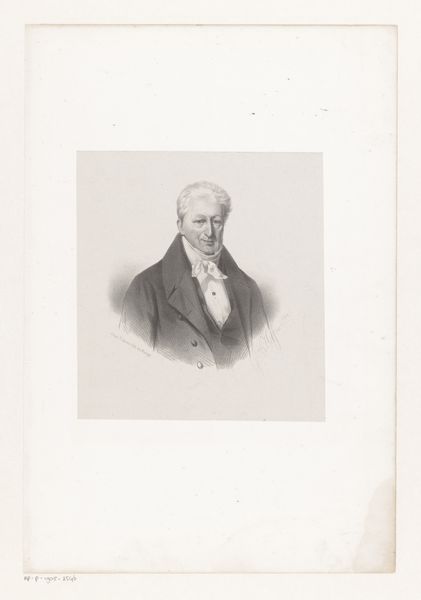
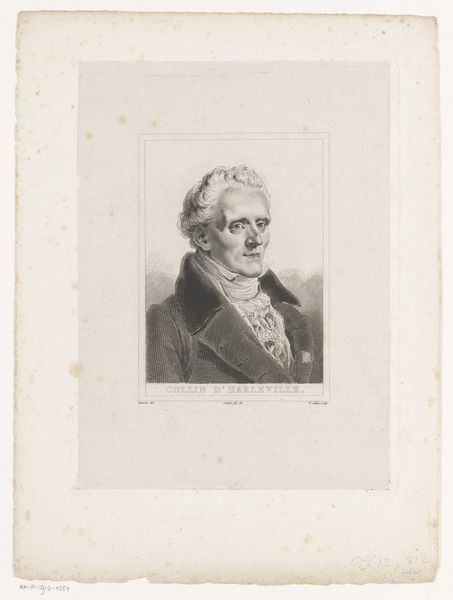
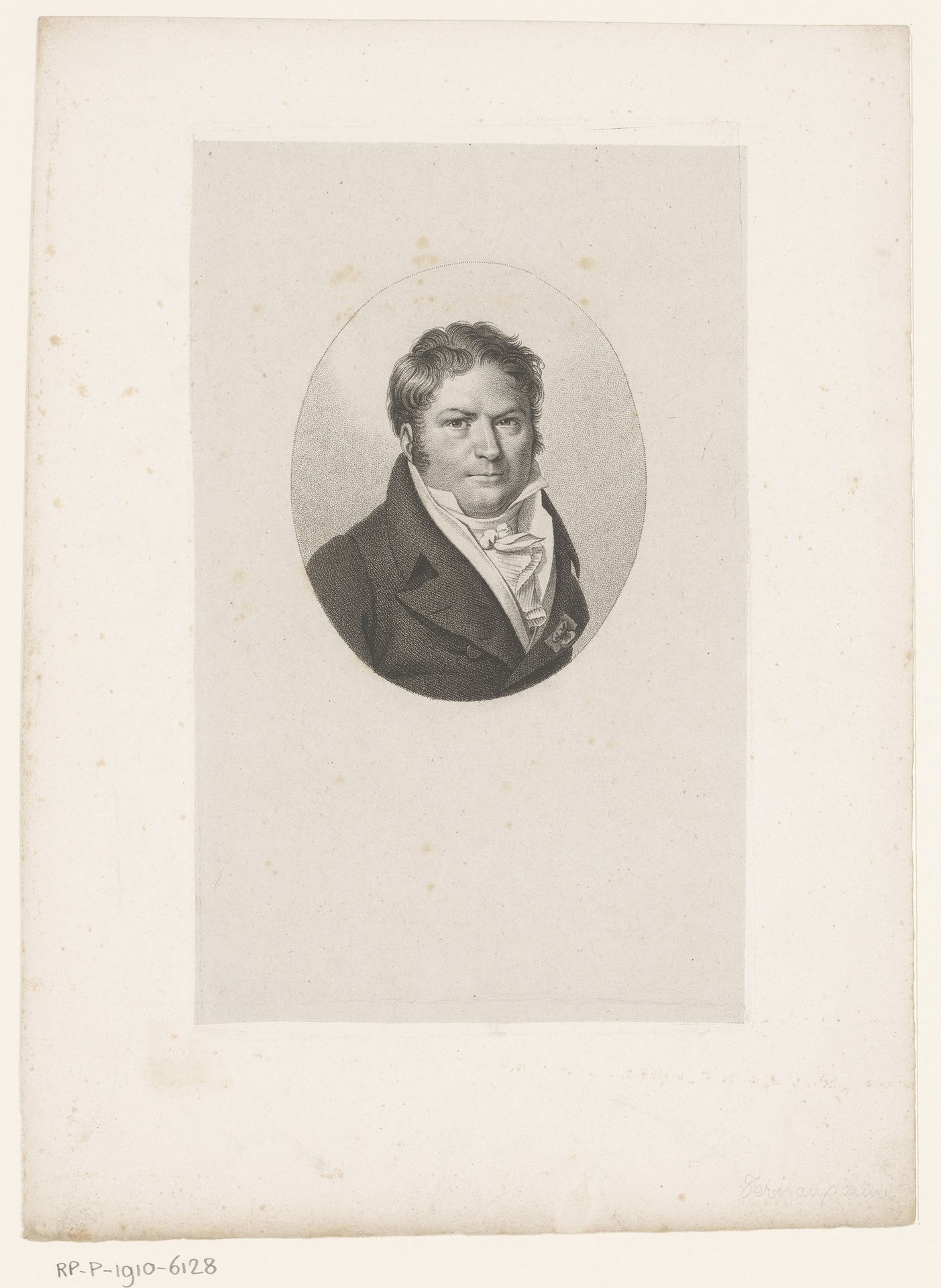
Portret van Guillaume Louis Ternaux

Listen to curator's interpretation
Curatorial notes
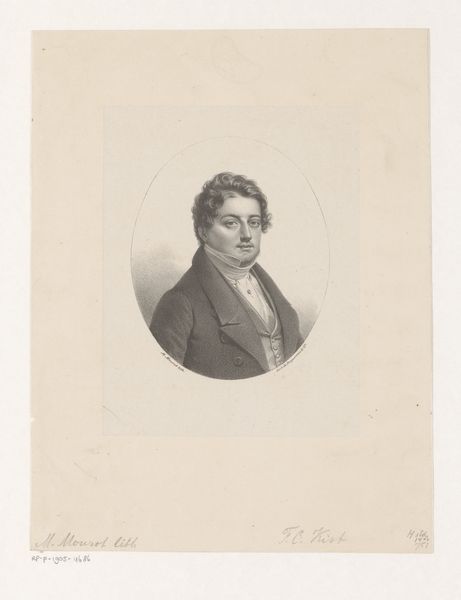
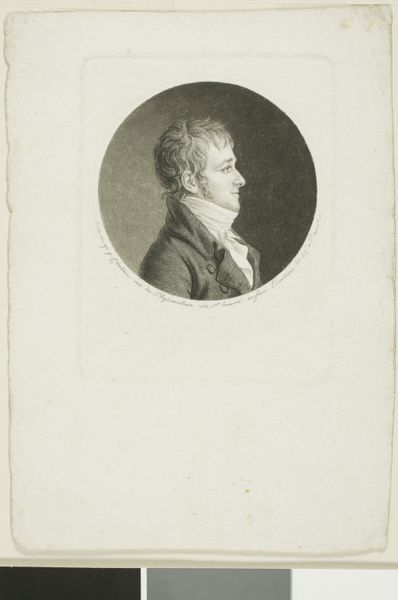
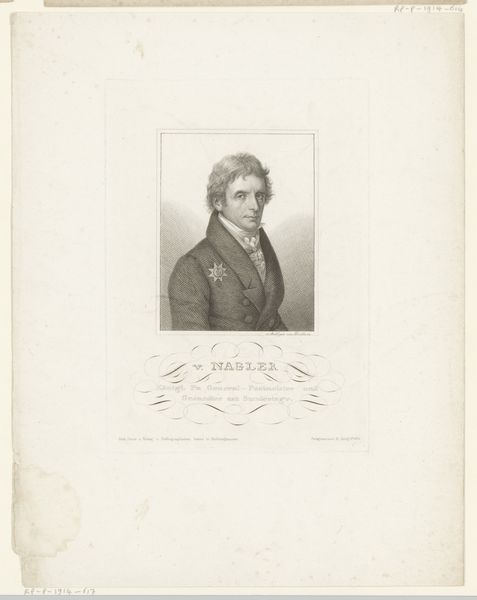
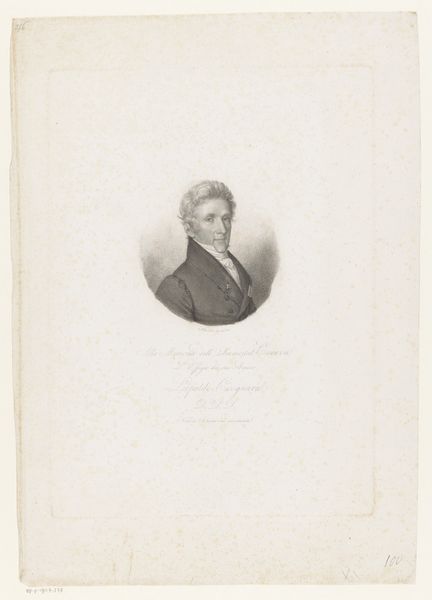
Ambroise Tardieu created this engraving of Guillaume Louis Ternaux. Consider Ternaux's neckwear, a meticulously knotted cravat. Its origins lie in the Croatian mercenaries of the 17th century, whose scarves offered both protection and panache. By the 19th century, it had evolved into a symbol of bourgeois elegance. One sees echoes of this transformation in portraits across Europe: the stiff formality of Dutch merchants, the romantic flair of Byronic heroes. The cravat is a sartorial language—its folds and knots whispering of social status. Think of the "Gordian Knot," a legend of Alexander the Great, promising mastery to whoever could untangle it, a symbol of inherent power. Is it an assertion of control or a performance of identity? Each knot carries the weight of history and the subtle echoes of past aspirations. It's a powerful visual assertion of the wearer's place in the social order. The symbol resurfaces, perpetually reshaped by the currents of culture.