About this artwork
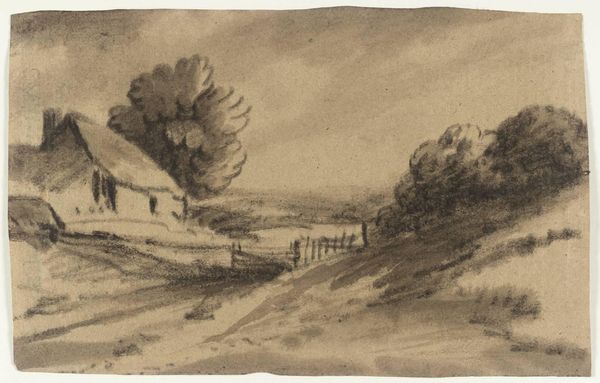
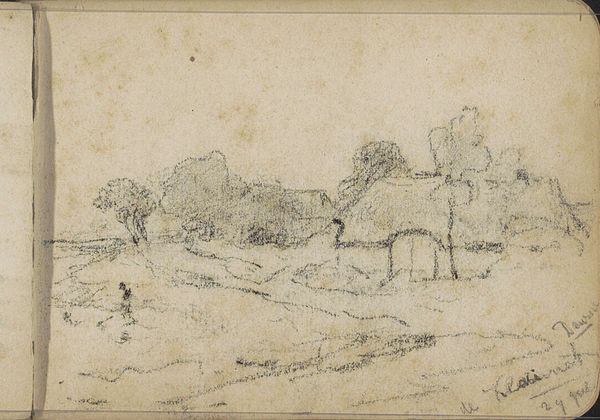
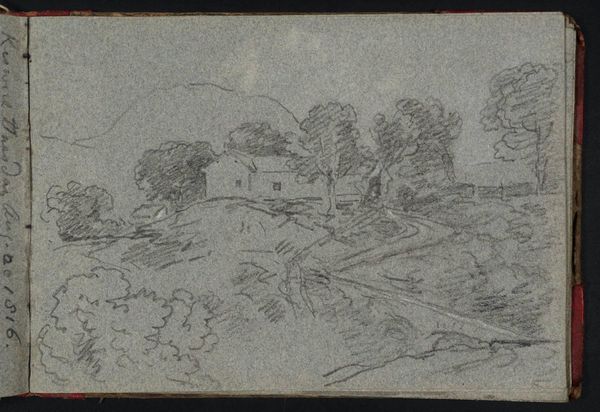
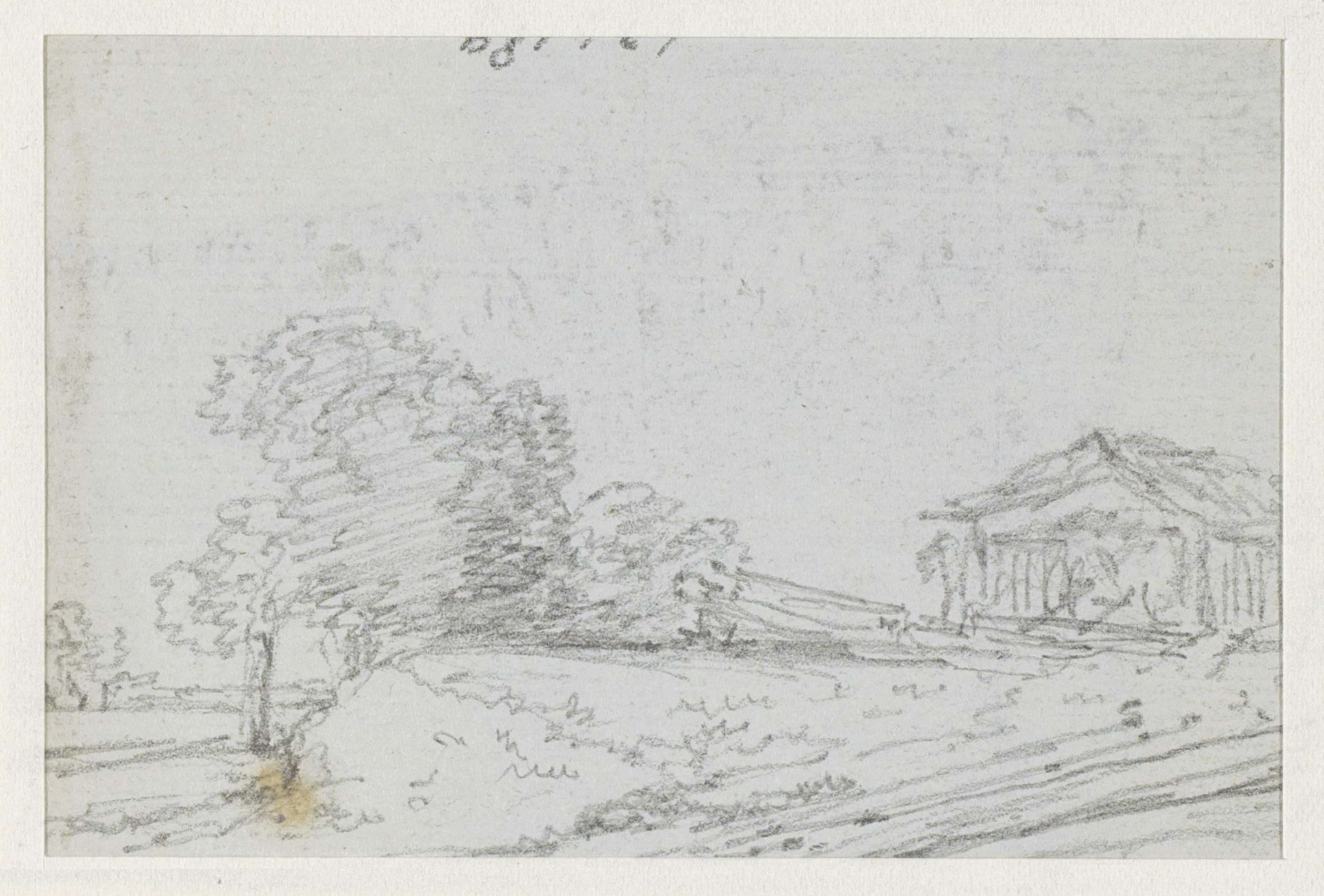
Georges Michel created this landscape sketch with graphite. The composition, though simple, is striking: a low horizon line, a clump of trees to the left, and a rudimentary structure on the right. The subtle variations in tone and texture create a sense of depth and atmosphere, inviting contemplation. Michel’s sketch destabilizes traditional landscape art. The rough lines and unfinished quality break from idealized representations. Instead, the drawing becomes a field of signs; the trees, the building, and the land are not merely objects but symbols. Michel is engaging with new ways of thinking about space and representation. The focus on line and form, rather than detail, allows the viewer to engage directly with the essential elements of the landscape. Michel’s sketch functions aesthetically, creating a sense of space and depth, but it also functions as a form of cultural discourse. It is a moment of ongoing interpretation, inviting us to reconsider our relationship with the natural world.

Artwork details
- Medium
- drawing, pencil
- Dimensions
- height 70 mm, width 103 mm
- Copyright
- Rijks Museum: Open Domain
Tags
drawing
pencil sketch
landscape
etching
romanticism
pencil
academic-art
Comments
No comments
About this artwork
Georges Michel created this landscape sketch with graphite. The composition, though simple, is striking: a low horizon line, a clump of trees to the left, and a rudimentary structure on the right. The subtle variations in tone and texture create a sense of depth and atmosphere, inviting contemplation. Michel’s sketch destabilizes traditional landscape art. The rough lines and unfinished quality break from idealized representations. Instead, the drawing becomes a field of signs; the trees, the building, and the land are not merely objects but symbols. Michel is engaging with new ways of thinking about space and representation. The focus on line and form, rather than detail, allows the viewer to engage directly with the essential elements of the landscape. Michel’s sketch functions aesthetically, creating a sense of space and depth, but it also functions as a form of cultural discourse. It is a moment of ongoing interpretation, inviting us to reconsider our relationship with the natural world.
Comments
No comments