1865 - 1890
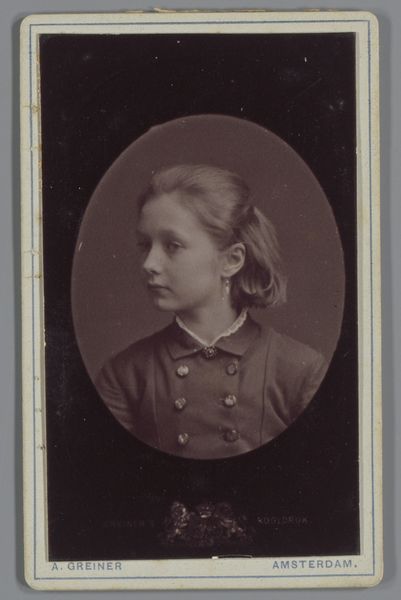
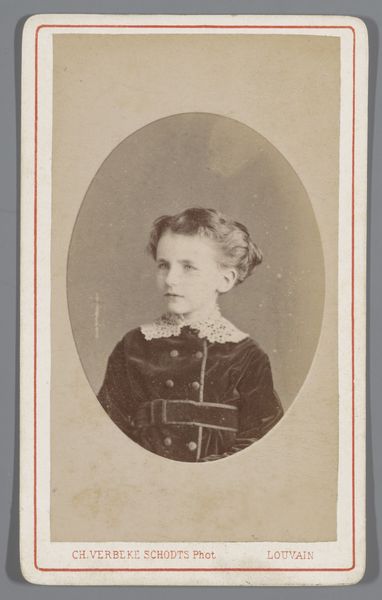
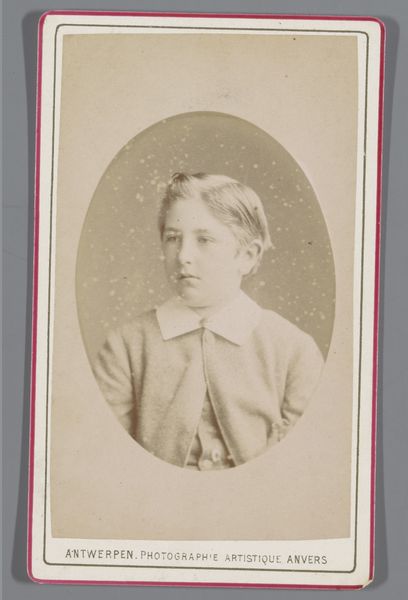
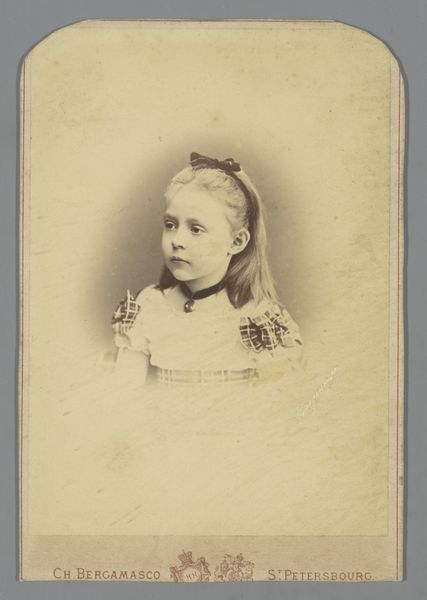
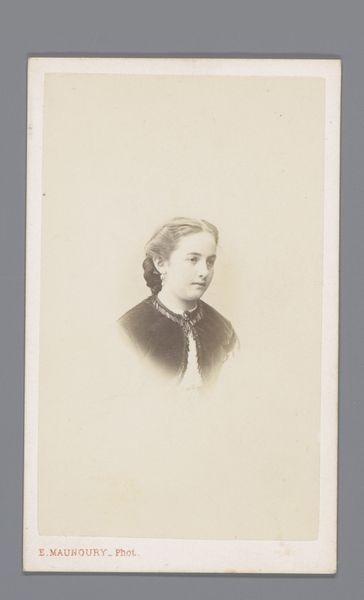
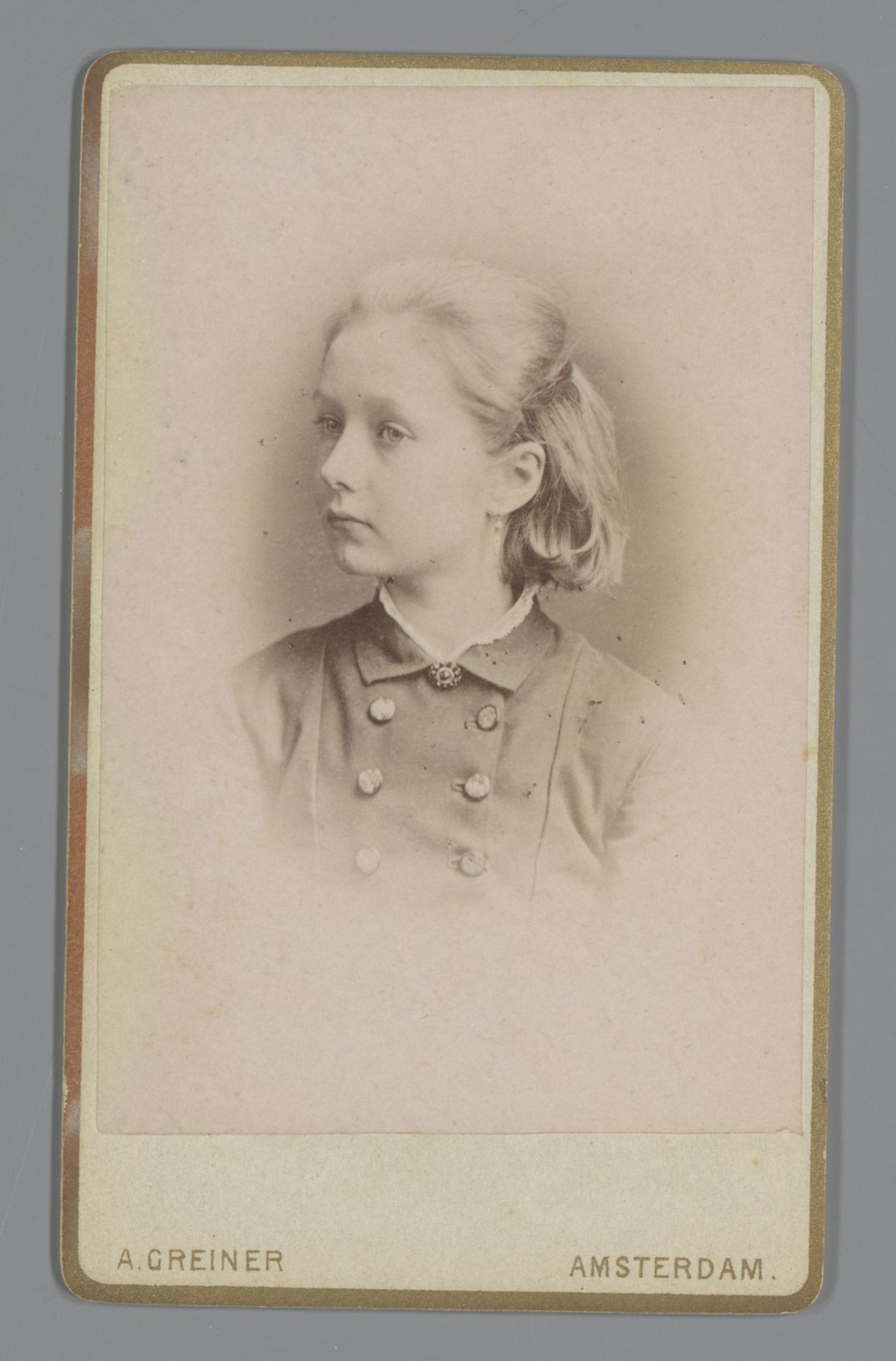
Portret van Johanna Geertruida Jonker

Albert Greiner
1833 - 1890Location
RijksmuseumListen to curator's interpretation
Curatorial notes
This is a portrait of Johanna Geertruida Jonker, made by Albert Greiner in Amsterdam, using photography, during the latter half of the 19th century. Though photography may now seem commonplace, it was then still a relatively new medium, involving a fascinating blend of chemistry, optics, and artistry. This particular photograph would have been produced through the wet collodion process, where a glass plate is coated with chemicals, exposed in the camera, and then developed immediately. The very act of making a photographic portrait became a way for middle class individuals to participate in larger cultural trends, a departure from traditional painted portraits, which were usually reserved for the wealthy elite. The material and process employed in creating this photograph democratized the portraiture process, inviting a wider range of people to partake in visual representation. Considering the way it was made, and the social context in which photography emerged, we can start to understand the important cultural significance of this small photograph.