About this artwork
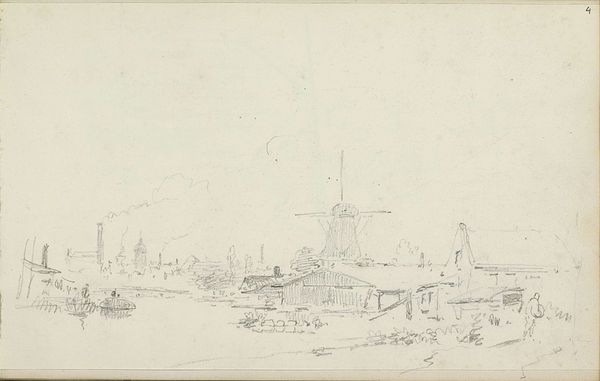
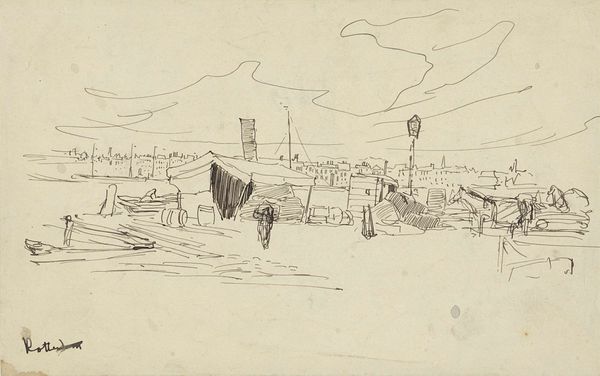
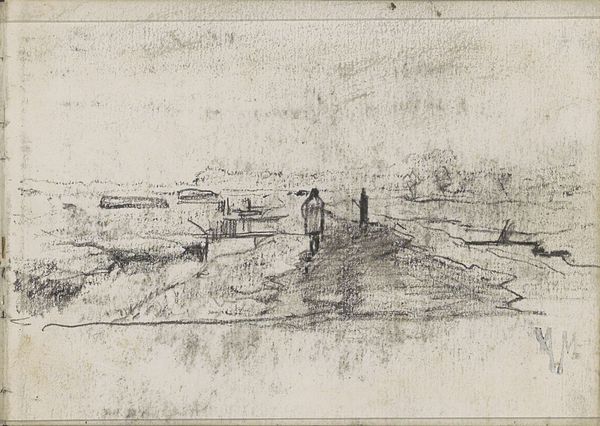
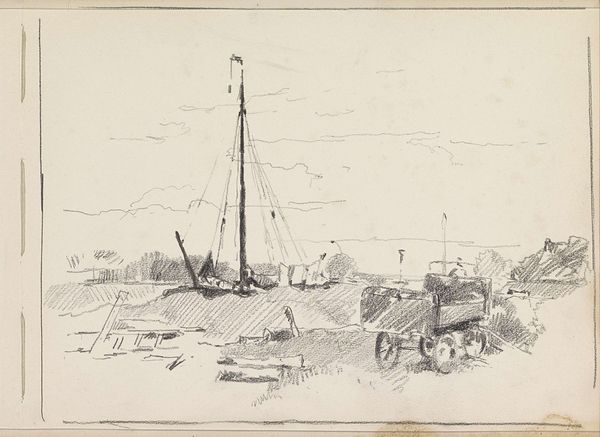
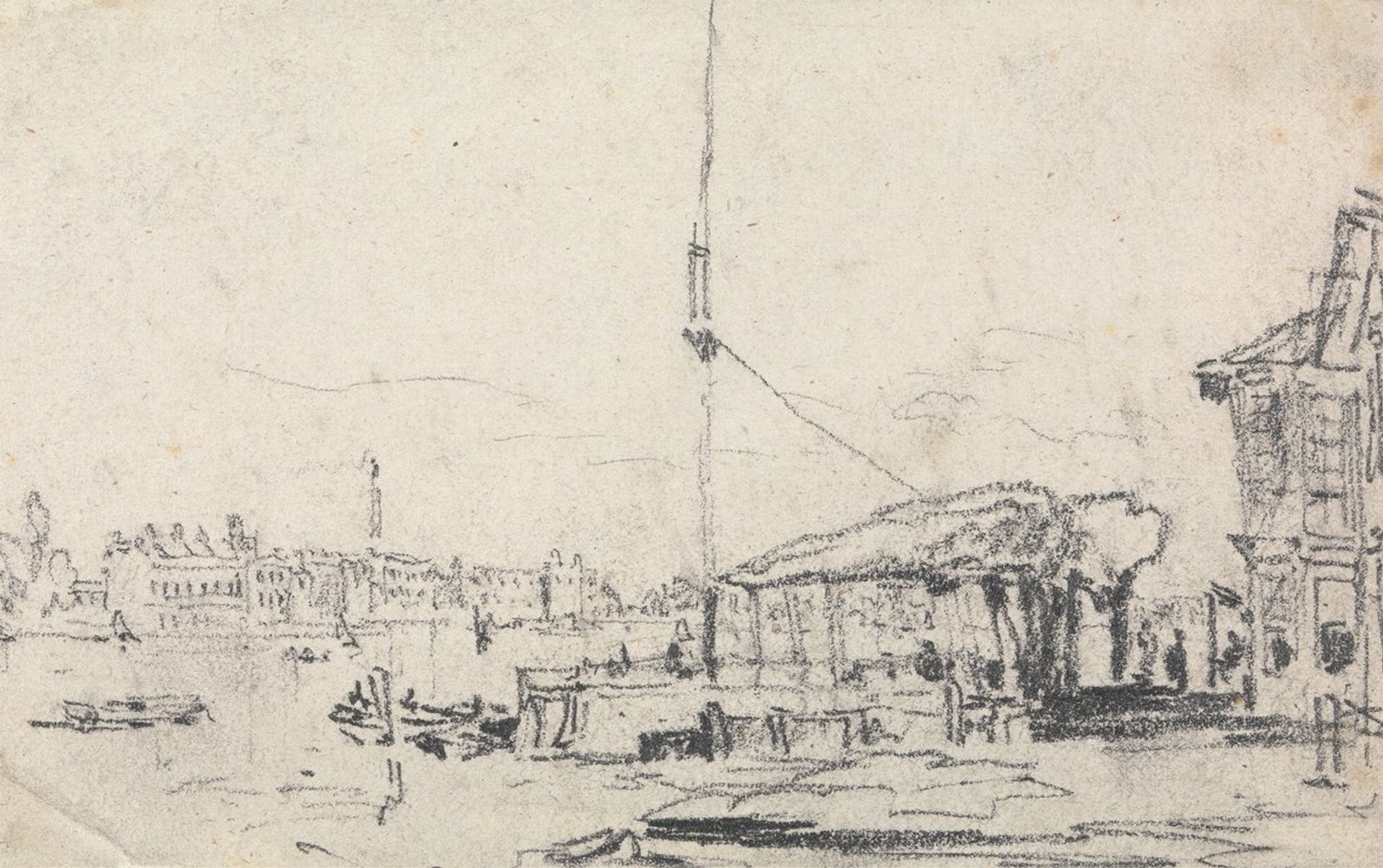
David Cox made this pencil drawing, A View of the Scheldt, in the first half of the 19th century. Cox was a landscape painter, and a prominent member of the English watercolour school. Here we see a quick sketch of the busy port of Antwerp. The scene is animated by the contrast between the static buildings and the lively coming and going of maritime traffic. In Cox’s time, England and Belgium were at the forefront of the Industrial Revolution. Antwerp was a major port, and the river Scheldt was its connection to the wider world. Britain's industrial revolution depended on maritime trade. It's easy to see the romance of the sailing life. But if we dig a little deeper into sources from the period, we can also uncover the harsh realities of maritime labor and the social inequalities of a rapidly industrializing world. A sketch like this offers a glimpse into a complex moment in European history.

Artwork details
- Medium
- drawing, pencil
- Copyright
- Public Domain: Artvee
Tags
Comments
Share your thoughts
About this artwork
David Cox made this pencil drawing, A View of the Scheldt, in the first half of the 19th century. Cox was a landscape painter, and a prominent member of the English watercolour school. Here we see a quick sketch of the busy port of Antwerp. The scene is animated by the contrast between the static buildings and the lively coming and going of maritime traffic. In Cox’s time, England and Belgium were at the forefront of the Industrial Revolution. Antwerp was a major port, and the river Scheldt was its connection to the wider world. Britain's industrial revolution depended on maritime trade. It's easy to see the romance of the sailing life. But if we dig a little deeper into sources from the period, we can also uncover the harsh realities of maritime labor and the social inequalities of a rapidly industrializing world. A sketch like this offers a glimpse into a complex moment in European history.
Comments
Share your thoughts