1796 - 1845
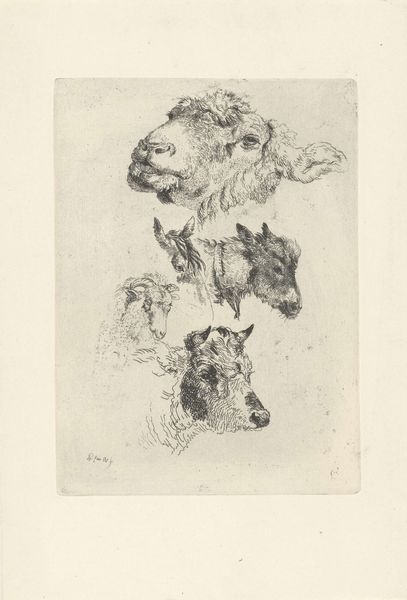
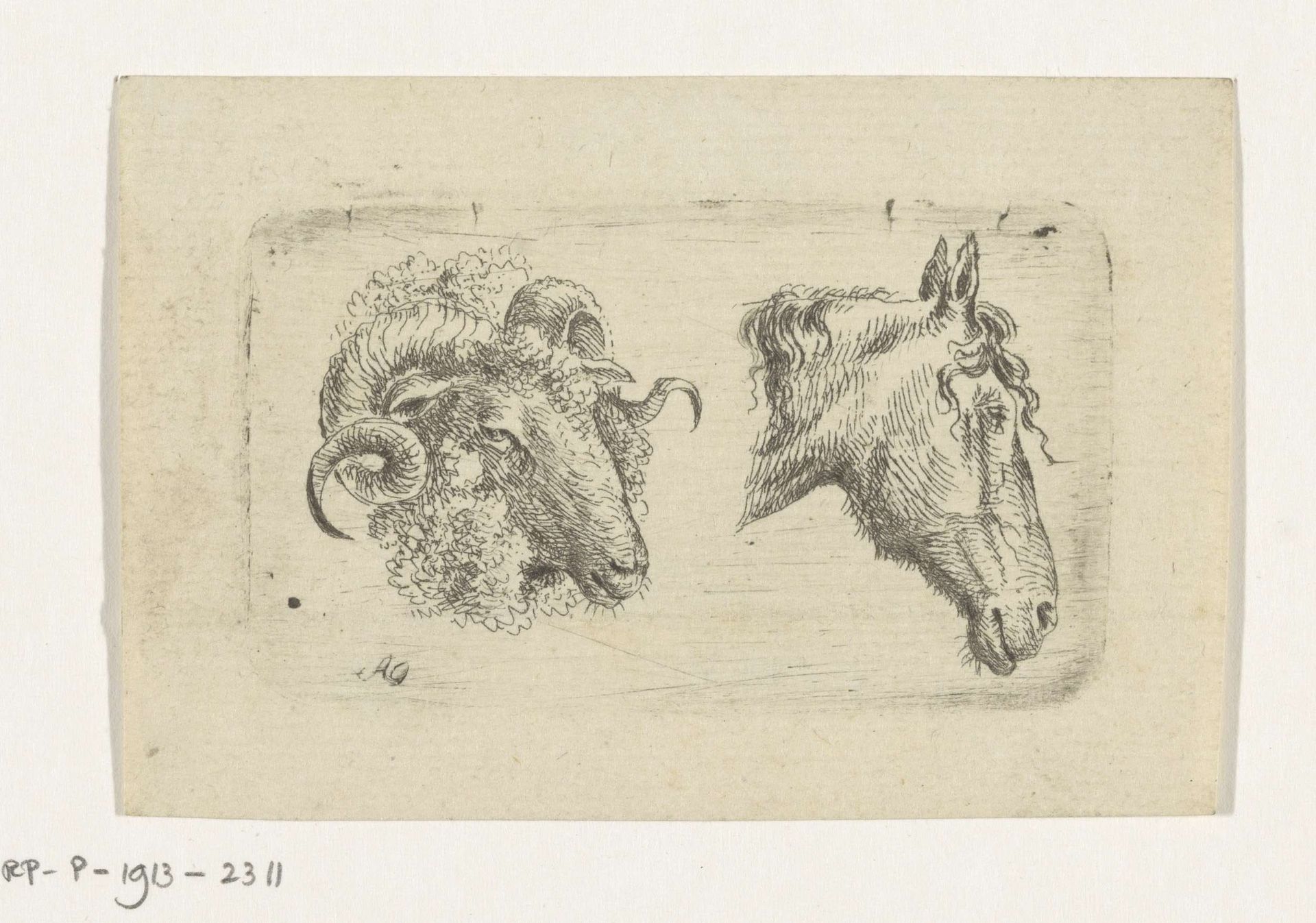
Rams- en paardenkop

Anthony Oberman
1781 - 1845Location
RijksmuseumListen to curator's interpretation
Curatorial notes
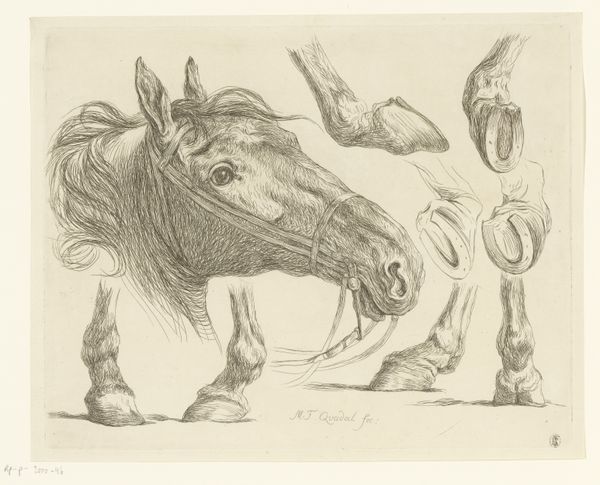
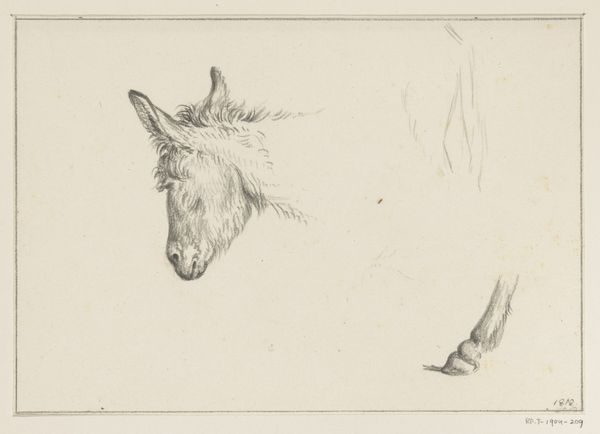
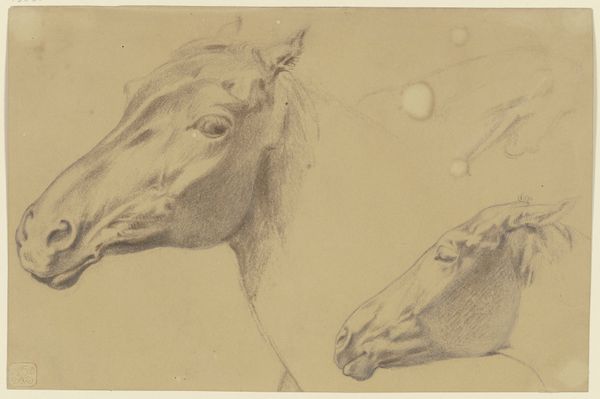
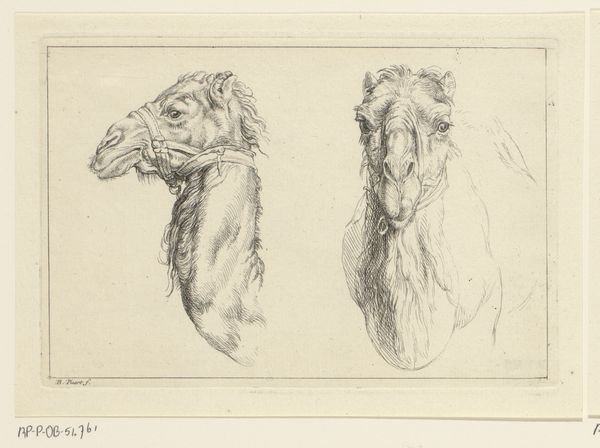
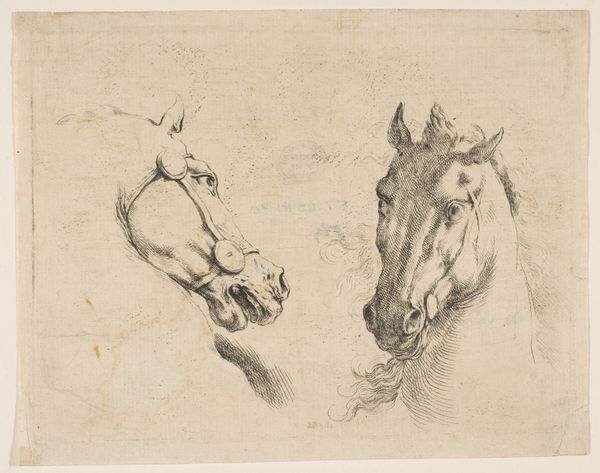
Anthony Oberman created this etching of a rams- en paardenkop - a ram's and horse’s head - sometime in the late 18th or early 19th century. Oberman lived in a time of shifting social structures. As the Dutch Republic gave way to new political configurations, traditional symbols of power and identity were destabilized. This etching presents an interesting pairing. In Western art, the ram is often associated with masculinity, virility, and leadership, while the horse symbolizes nobility, strength, and freedom. By placing these two heads side-by-side, Oberman invites a dialogue about power, status, and perhaps even the changing roles of masculinity in a rapidly transforming society. Consider how the artist uses line and form to convey the textures and characteristics of each animal. The ram's thick, curly wool contrasts with the horse's smooth, flowing mane, creating a visual tension that draws you in. In its detail, the artwork captures a sense of both the physical and symbolic weight carried by these animals.