About this artwork
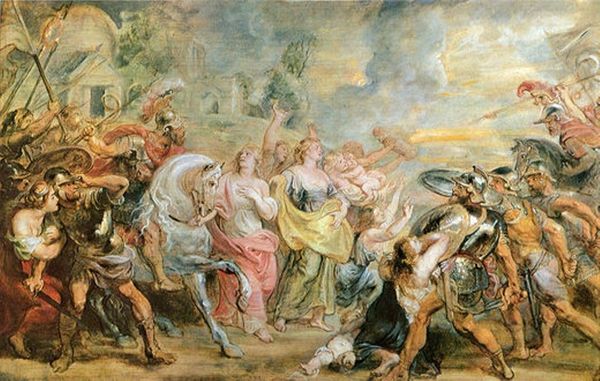
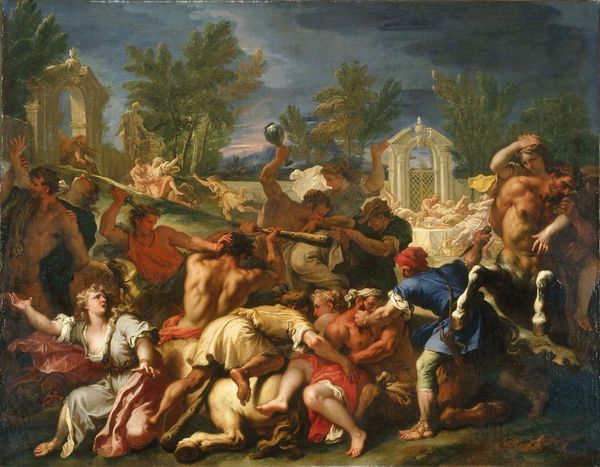
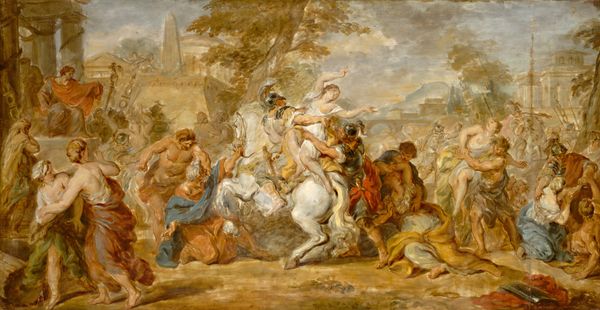
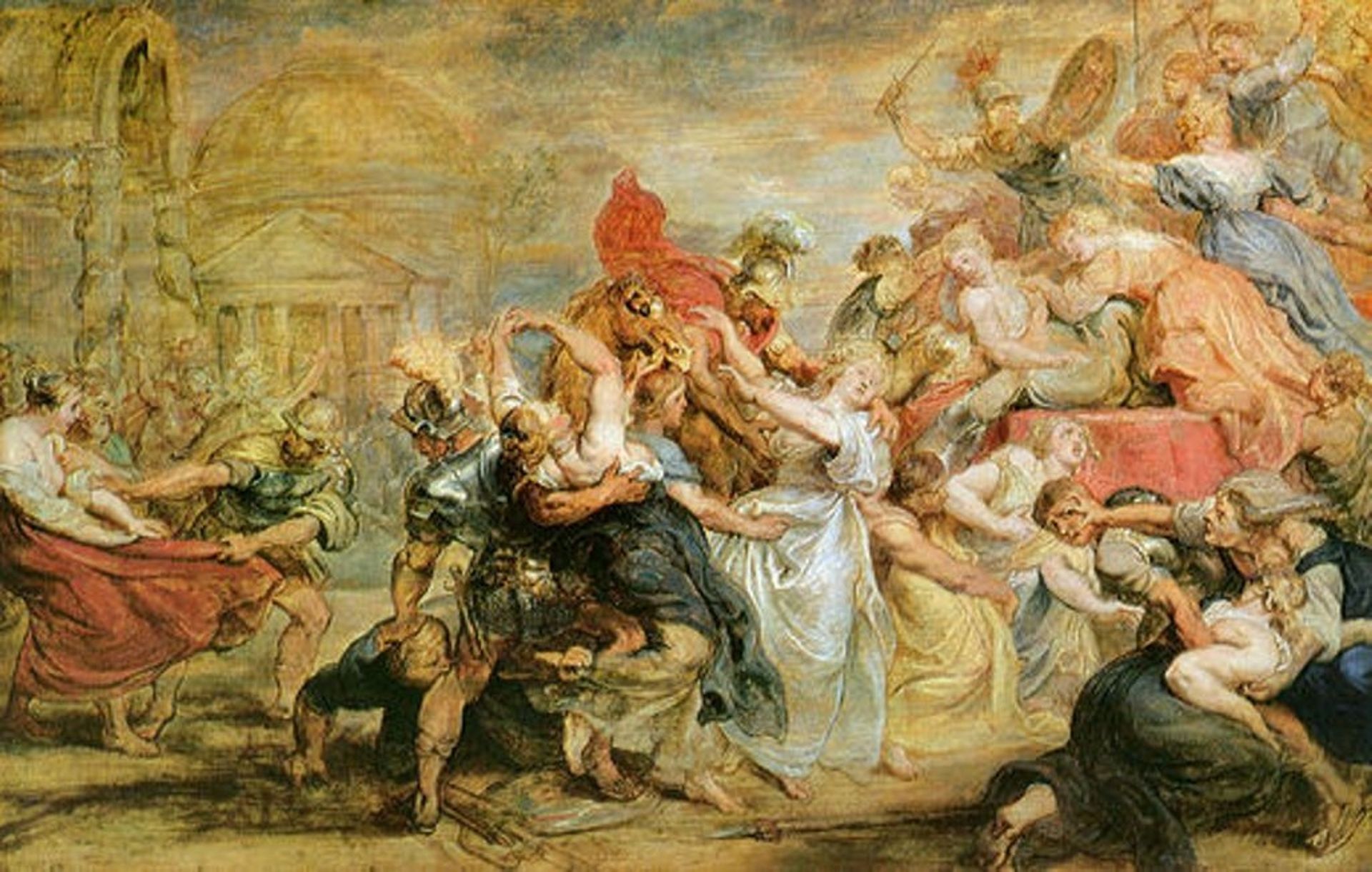
Peter Paul Rubens painted this dramatic scene of "The Rape of the Sabine Women" in the early 17th century. He used oil on canvas, choosing a subject from Roman legend, a foundational myth that tells of the abduction of women to populate the early Roman state. Rubens imbues the scene with dynamic energy; men and women caught in a swirl of motion, evoking both the violence and the purported heroism of the event. The image creates meaning through visual codes – the muscular Romans, the distressed Sabine women – and appeals to the cultural memory of classical antiquity. Painted in the context of 17th-century Europe, a period of state-building and dynastic ambition, we might ask whether the painting naturalizes male dominance and violent expansionism. Does it offer a commentary on the social structures of the time, perhaps glorifying power? Or does it critique such actions through its depiction of chaos and resistance? As historians, we rely on period texts and cultural studies to understand how such images functioned in their own time. Only then can we understand the social and institutional contexts that inform this work and its enduring power to provoke questions about the politics of imagery.
The Rape of the Sabine Women

Peter Paul Rubens
1577 - 1640Location
Belfius Collection, Brussels, BelgiumArtwork details
- Medium
- oil-paint
- Location
- Belfius Collection, Brussels, Belgium
- Copyright
- Public domain
Tags
Comments
Share your thoughts
About this artwork
Peter Paul Rubens painted this dramatic scene of "The Rape of the Sabine Women" in the early 17th century. He used oil on canvas, choosing a subject from Roman legend, a foundational myth that tells of the abduction of women to populate the early Roman state. Rubens imbues the scene with dynamic energy; men and women caught in a swirl of motion, evoking both the violence and the purported heroism of the event. The image creates meaning through visual codes – the muscular Romans, the distressed Sabine women – and appeals to the cultural memory of classical antiquity. Painted in the context of 17th-century Europe, a period of state-building and dynastic ambition, we might ask whether the painting naturalizes male dominance and violent expansionism. Does it offer a commentary on the social structures of the time, perhaps glorifying power? Or does it critique such actions through its depiction of chaos and resistance? As historians, we rely on period texts and cultural studies to understand how such images functioned in their own time. Only then can we understand the social and institutional contexts that inform this work and its enduring power to provoke questions about the politics of imagery.
Comments
Share your thoughts