About this artwork
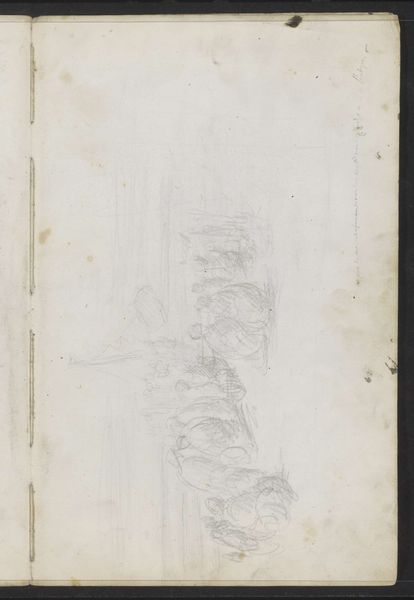
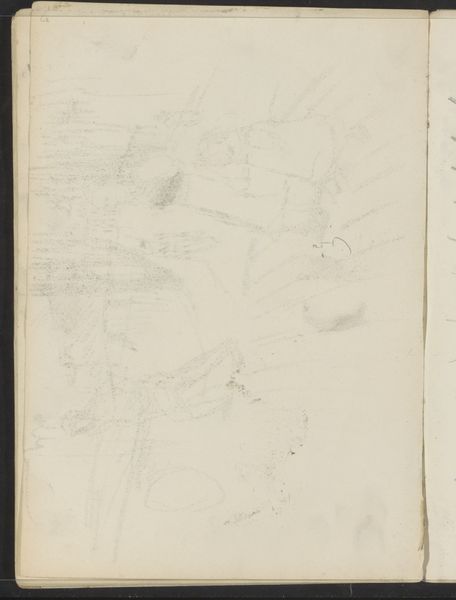
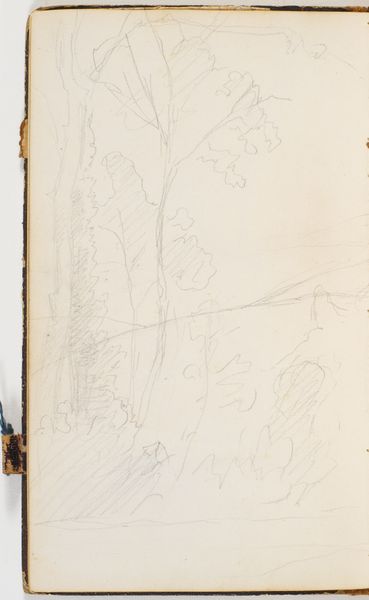
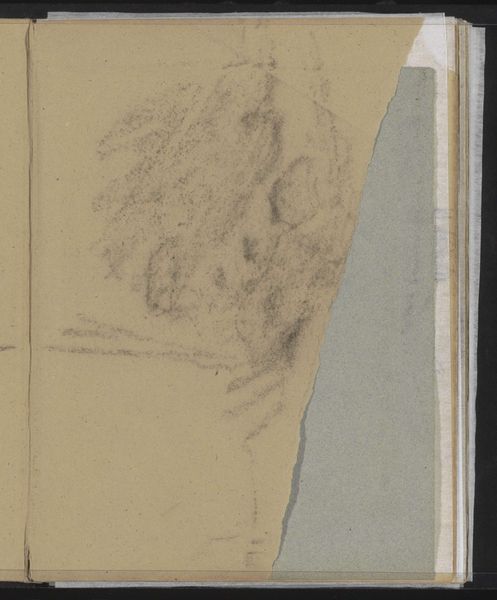
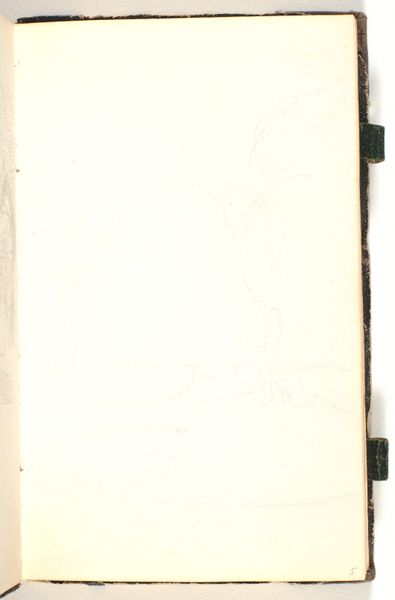
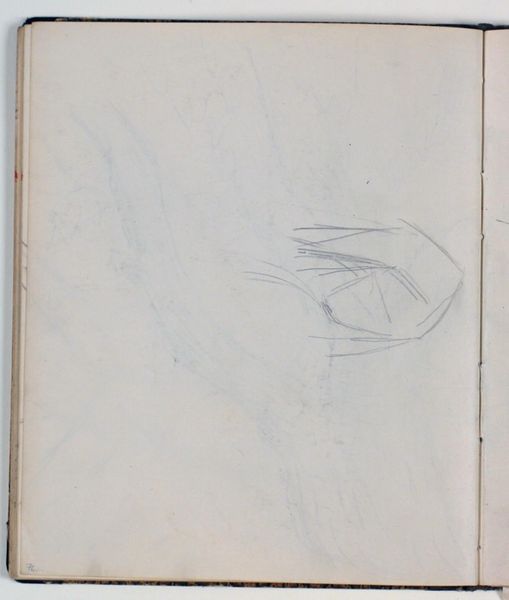
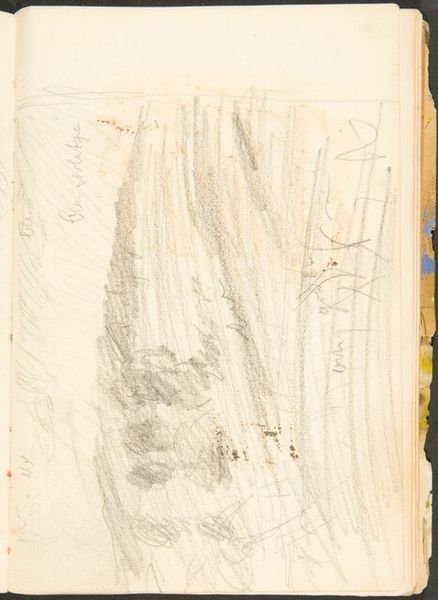
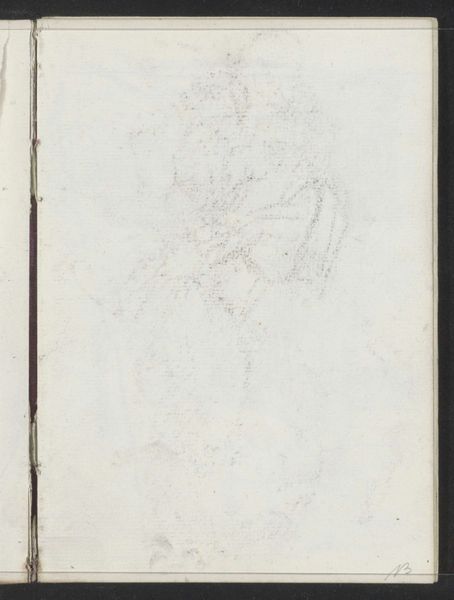
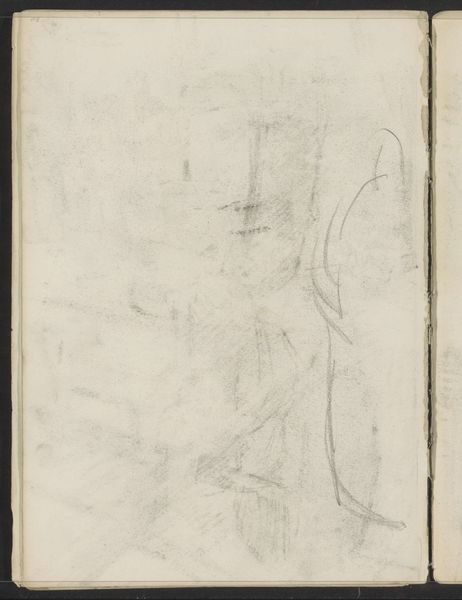
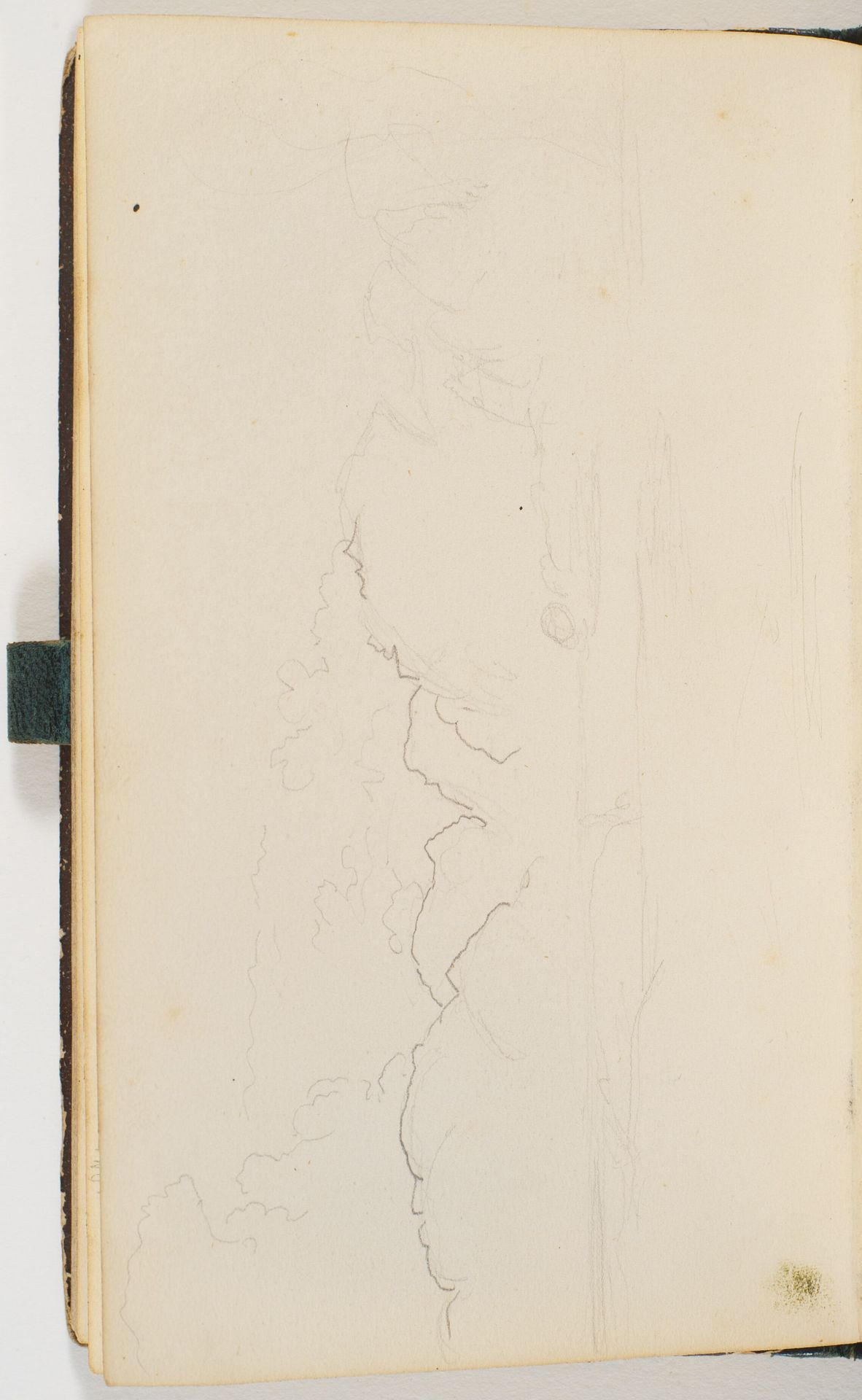
Editor: Here we have P.C. Skovgaard's "Skystudie" from 1870, a pencil drawing on paper currently held at the SMK. It feels ephemeral and unfinished, like a fleeting thought. What do you make of it? Curator: It's interesting how Skovgaard captures the transient nature of clouds. Think about clouds across cultures: often symbolic of change, divinity, or the subconscious. Even now, our emotional response to the sky remains powerful; it's archetypal, almost hardwired. Does this evoke similar feelings for you? Editor: I guess it does. I hadn’t considered the depth of cultural symbols we apply to them. Do you see anything in the composition itself? Curator: Notice the verticality; how the eye is drawn upwards? It is not just documenting a natural phenomenon. Instead, perhaps, suggesting ascension or transcendence. Coupled with its delicate rendering, it becomes a space for meditation on mortality. Do you find a spiritual element in his sky? Editor: It’s subtle, but now that you mention it, yes, I see it. So, it's more than just a study, right? Curator: Precisely. It is Skovgaard subtly imbuing the everyday sky with symbolic weight. Consider also its date; 1870. Major sociopolitical and intellectual shifts occurred during this period. Nature was seen increasingly as a source of solace and a counterpoint to urban-industrial life. The image presents the artist’s understanding of both their immediate reality and timeless themes, like hope, awe, or surrender. Editor: It makes the image feel very modern in a way, too, grappling with something beyond representation, closer to lived experience. Thanks; I definitely look at it differently now! Curator: And I, too, appreciate how the simplicity of its execution prompts questions that reveal something significant in cultural memory.
Skystudie
1870


Artwork details
- Medium
- drawing, paper, pencil
- Dimensions
- 188 mm (height) x 109 mm (width) (bladmaal)
- Location
- SMK - Statens Museum for Kunst
Tags
Comments
Share your thoughts
About this artwork
Editor: Here we have P.C. Skovgaard's "Skystudie" from 1870, a pencil drawing on paper currently held at the SMK. It feels ephemeral and unfinished, like a fleeting thought. What do you make of it? Curator: It's interesting how Skovgaard captures the transient nature of clouds. Think about clouds across cultures: often symbolic of change, divinity, or the subconscious. Even now, our emotional response to the sky remains powerful; it's archetypal, almost hardwired. Does this evoke similar feelings for you? Editor: I guess it does. I hadn’t considered the depth of cultural symbols we apply to them. Do you see anything in the composition itself? Curator: Notice the verticality; how the eye is drawn upwards? It is not just documenting a natural phenomenon. Instead, perhaps, suggesting ascension or transcendence. Coupled with its delicate rendering, it becomes a space for meditation on mortality. Do you find a spiritual element in his sky? Editor: It’s subtle, but now that you mention it, yes, I see it. So, it's more than just a study, right? Curator: Precisely. It is Skovgaard subtly imbuing the everyday sky with symbolic weight. Consider also its date; 1870. Major sociopolitical and intellectual shifts occurred during this period. Nature was seen increasingly as a source of solace and a counterpoint to urban-industrial life. The image presents the artist’s understanding of both their immediate reality and timeless themes, like hope, awe, or surrender. Editor: It makes the image feel very modern in a way, too, grappling with something beyond representation, closer to lived experience. Thanks; I definitely look at it differently now! Curator: And I, too, appreciate how the simplicity of its execution prompts questions that reveal something significant in cultural memory.
Comments
Share your thoughts