About this artwork
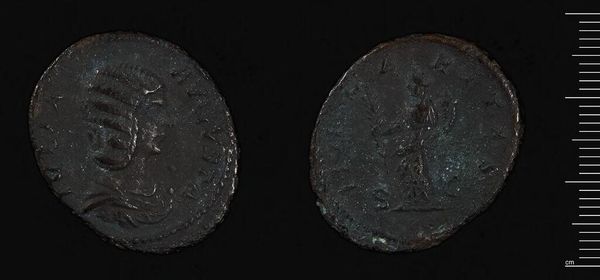
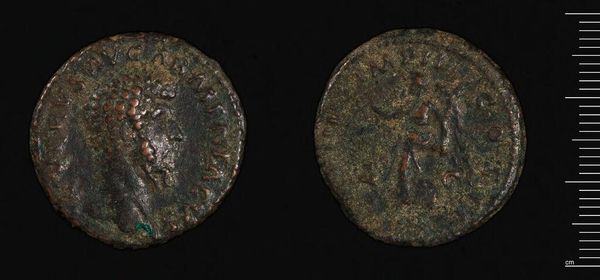
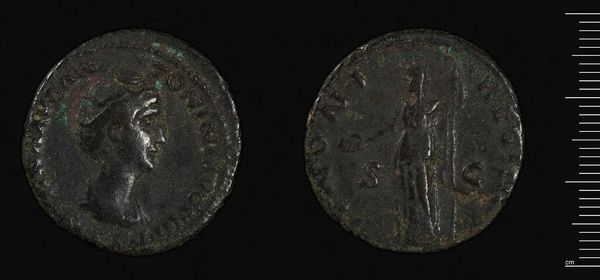
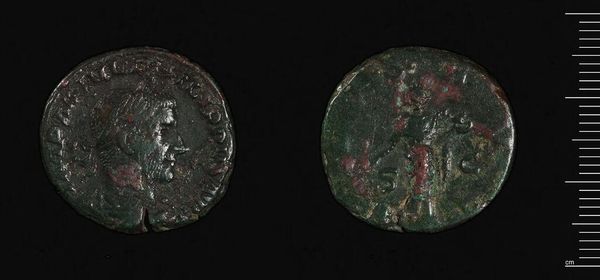
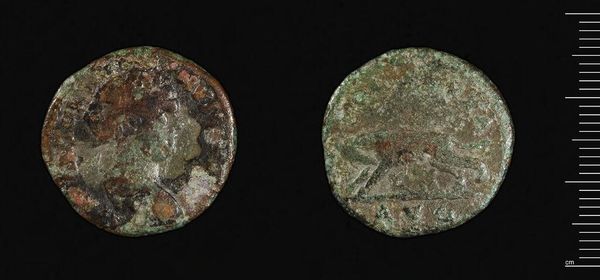
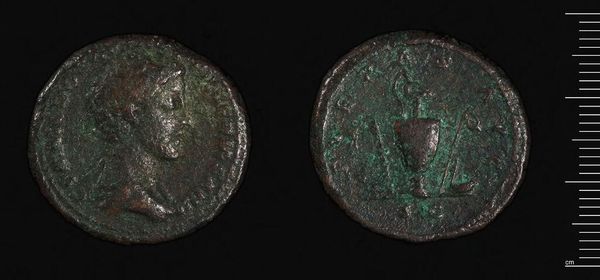
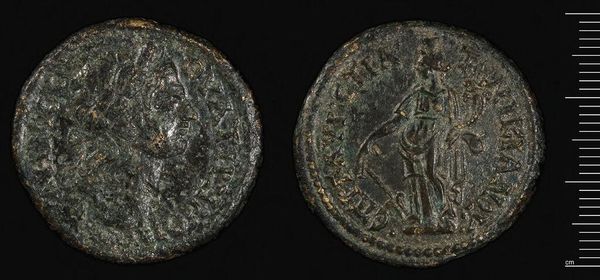
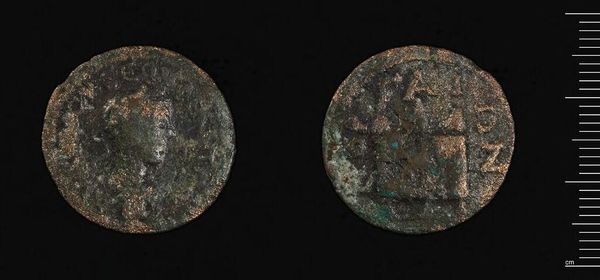
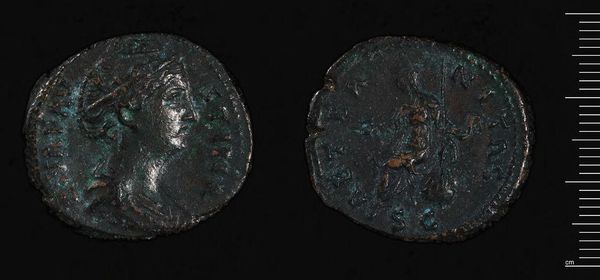
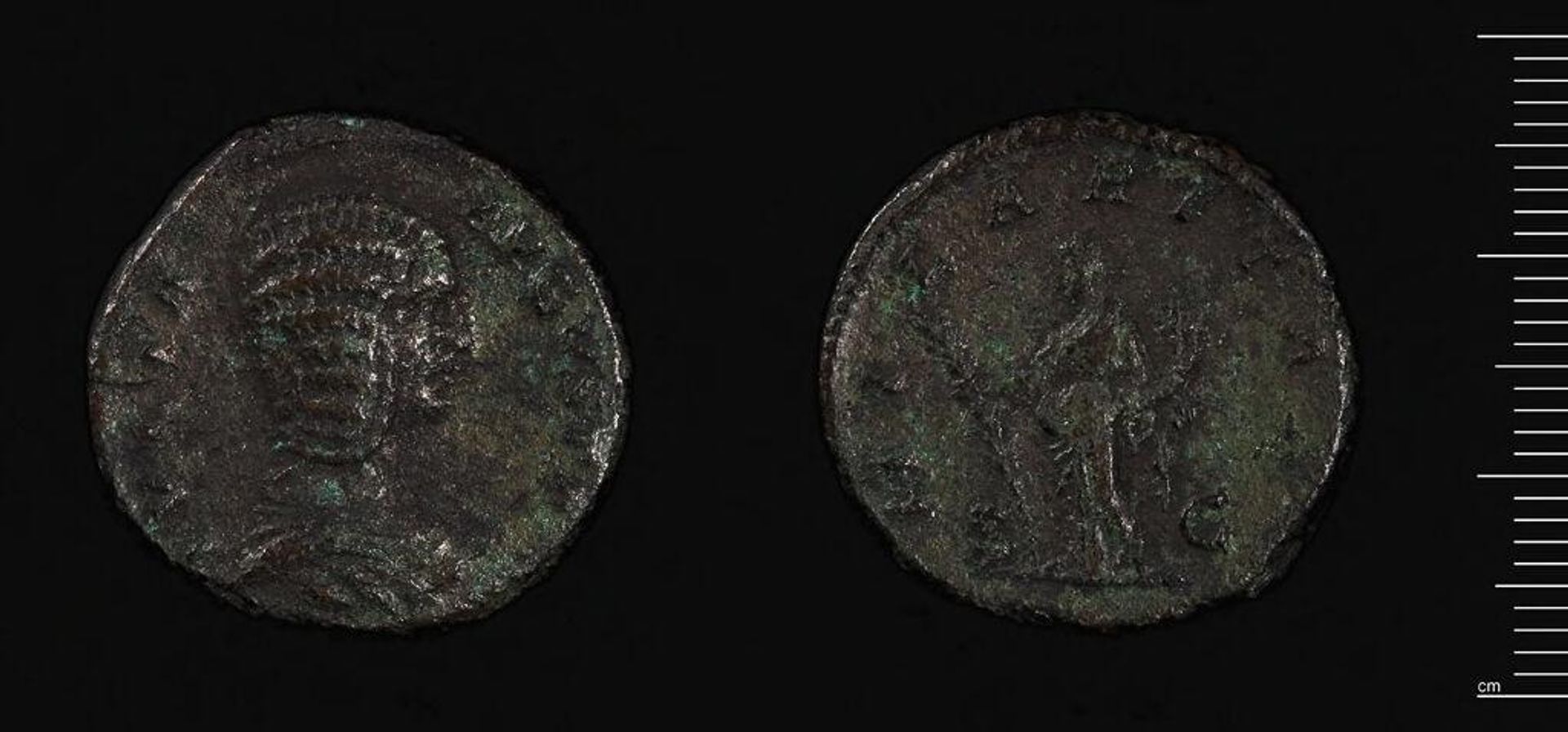
Curator: Here we have a coin, dating from the Roman Imperial period, bearing the likeness of Julia Domna, wife of Emperor Septimius Severus. Editor: It looks so worn, almost ghost-like, yet you can still make out her profile. There is a kind of solemn beauty to it, almost as if the coin itself carries the weight of history. Curator: Absolutely. Coins were a powerful propaganda tool. Her image would have been carefully crafted, and widely circulated, to project her power and influence. Editor: And who did that projected power serve? These images are never neutral. They're embedded within systems of privilege, reinforcing existing power structures. Who benefits from having their image on a coin? Curator: True, but her presence on coinage also solidified her status as a powerful and important figure, which, in a patriarchal society, is no small feat. Editor: I suppose. It's a reminder of the complexities of female power, even within oppressive structures. Curator: Indeed. This small object holds echoes of a woman's ambition and a vast empire. Editor: Makes you think about all those invisible hands laboring behind her to produce these coins, and keep the Empire running.
As of Julia Domna
196 - 209
Julia Domna, wife of Septimius Severus
@juliadomnawifeofseptimiusseverus
Harvard Art Museums
Harvard Art MuseumsArtwork details
- Dimensions
- 10.86 g
- Location
- Harvard Art Museums
- Copyright
- CC0 1.0
Comments
Share your thoughts
About this artwork
Curator: Here we have a coin, dating from the Roman Imperial period, bearing the likeness of Julia Domna, wife of Emperor Septimius Severus. Editor: It looks so worn, almost ghost-like, yet you can still make out her profile. There is a kind of solemn beauty to it, almost as if the coin itself carries the weight of history. Curator: Absolutely. Coins were a powerful propaganda tool. Her image would have been carefully crafted, and widely circulated, to project her power and influence. Editor: And who did that projected power serve? These images are never neutral. They're embedded within systems of privilege, reinforcing existing power structures. Who benefits from having their image on a coin? Curator: True, but her presence on coinage also solidified her status as a powerful and important figure, which, in a patriarchal society, is no small feat. Editor: I suppose. It's a reminder of the complexities of female power, even within oppressive structures. Curator: Indeed. This small object holds echoes of a woman's ambition and a vast empire. Editor: Makes you think about all those invisible hands laboring behind her to produce these coins, and keep the Empire running.
Comments
Share your thoughts