About this artwork
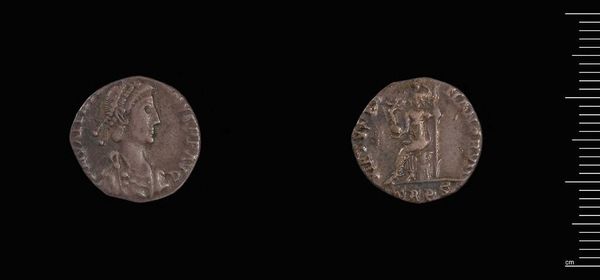
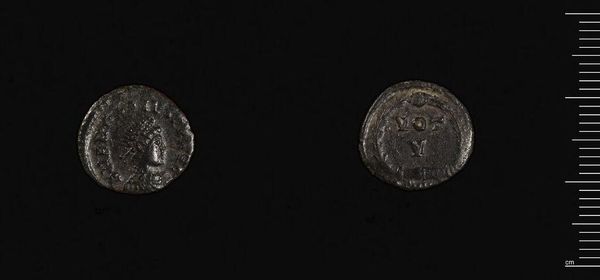
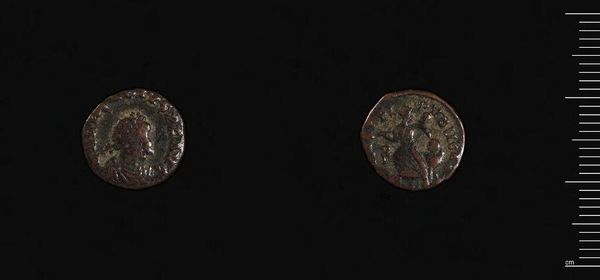
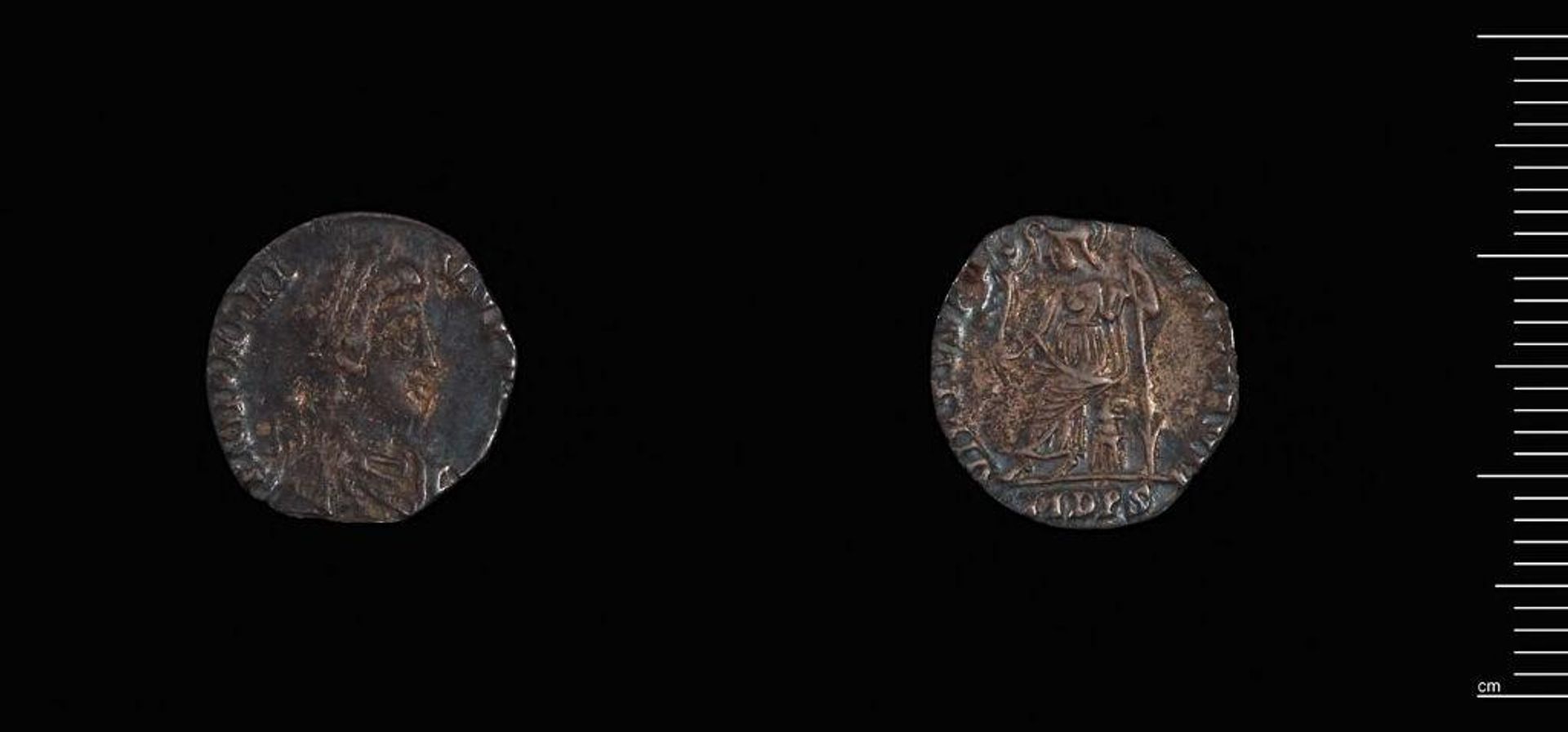
Editor: Here we have a siliqua of Honorius, minted in Mediolanum, or modern Milan. It's a small silver coin. It feels fragile, like a whisper from late antiquity. What stories do you think it holds? Curator: This coin speaks volumes about power, representation, and the socio-political anxieties of the late Roman Empire. How does the image of Honorius on this coin compare to other representations of power from that time? Editor: I see what you mean; it’s a diluted image, less about strength, more about… survival? Curator: Exactly. This coin isn't just currency; it's a narrative of shifting power dynamics and the struggle to maintain authority in a fragmenting world. It's a poignant commentary on the emperor’s weakening grip. Editor: That’s fascinating, viewing it as a social commentary on power more than just currency. Thanks! Curator: My pleasure. It’s these objects that link us to the daily lives and struggles of those who came before.
Siliqua of Honorius, Mediolanum (Milan)
395 - 402

Artwork details
- Dimensions
- 0.94 g
- Location
- Harvard Art Museums
- Copyright
- CC0 1.0
Comments
Share your thoughts
About this artwork
Editor: Here we have a siliqua of Honorius, minted in Mediolanum, or modern Milan. It's a small silver coin. It feels fragile, like a whisper from late antiquity. What stories do you think it holds? Curator: This coin speaks volumes about power, representation, and the socio-political anxieties of the late Roman Empire. How does the image of Honorius on this coin compare to other representations of power from that time? Editor: I see what you mean; it’s a diluted image, less about strength, more about… survival? Curator: Exactly. This coin isn't just currency; it's a narrative of shifting power dynamics and the struggle to maintain authority in a fragmenting world. It's a poignant commentary on the emperor’s weakening grip. Editor: That’s fascinating, viewing it as a social commentary on power more than just currency. Thanks! Curator: My pleasure. It’s these objects that link us to the daily lives and struggles of those who came before.
Comments
Share your thoughts