About this artwork
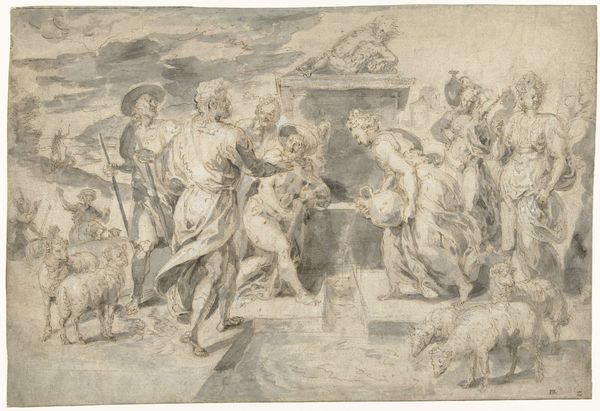
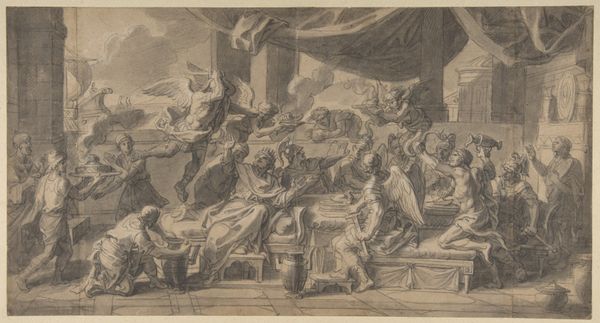
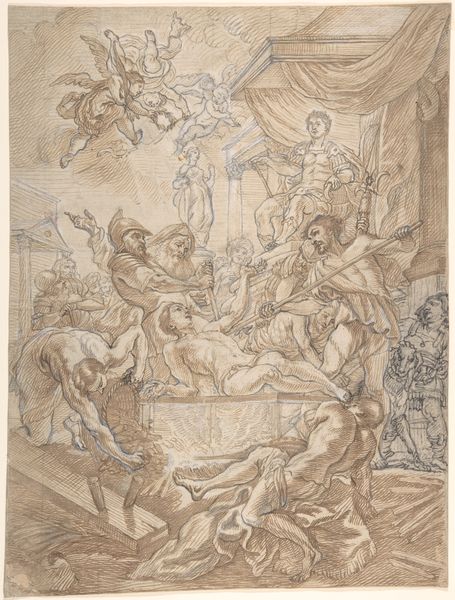
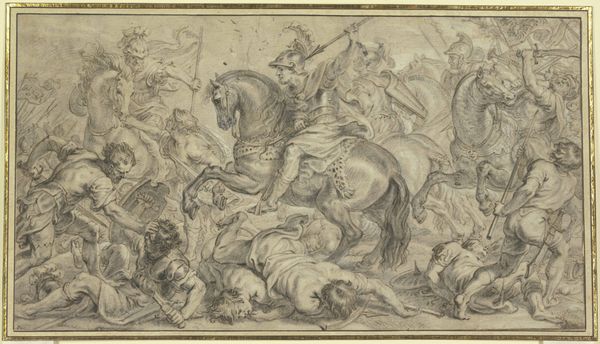
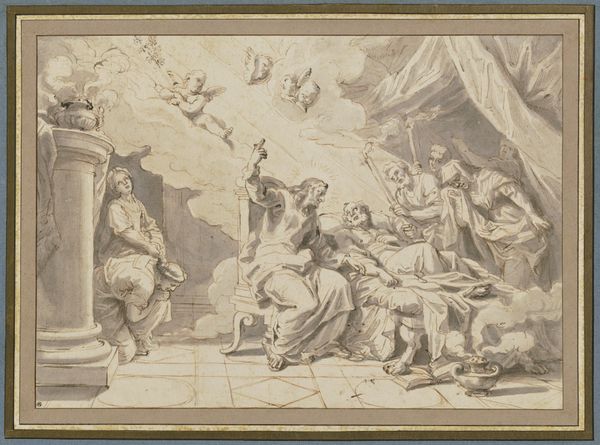
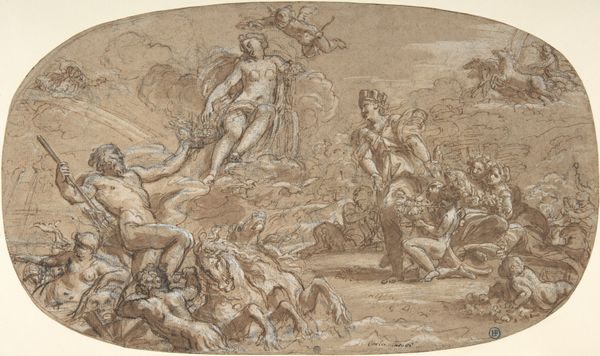
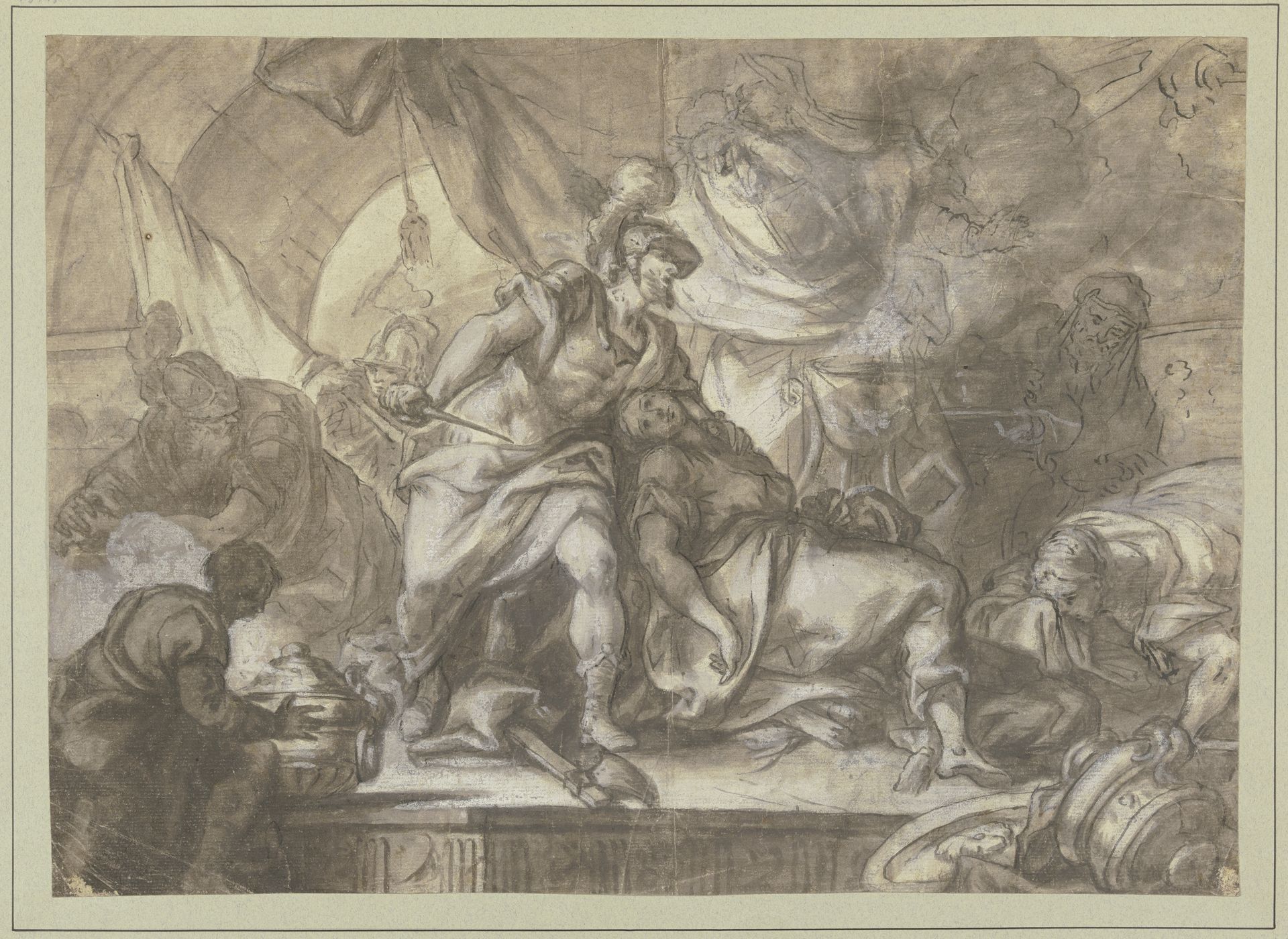
Nicolas Poussin made this drawing, “Sacrifice of Iphigenia,” using pen, brown wash, and graphite, sometime between 1629 and 1630, when he was living in Rome. Poussin was a Frenchman in Italy, drawn to antiquity and classical literature; here, he depicts a story from Greek mythology. Agamemnon must sacrifice his daughter, Iphigenia, to appease the goddess Artemis, so his ships can sail to Troy. Think about that for a moment: the power and authority wielded by men in society demanded the life of a young woman. Notice how Poussin uses the wash to create depth and drama, heightening the emotional tension of the scene. The drawing captures the moment of sacrifice, but the impending tragedy is softened by the divine intervention overhead, suggesting that Iphigenia will be spared at the last moment. Poussin’s work invites us to reflect on the narratives we inherit and the cultural values they reflect and reinforce.


Artwork details
- Medium
- drawing, gouache, paper, ink, charcoal
- Location
- Städel Museum
- Copyright
- Public Domain
Tags
drawing
narrative-art
baroque
gouache
charcoal drawing
figuration
paper
ink
charcoal
history-painting
watercolor
Comments
Be the first to share your thoughts about this work.
About this artwork
Nicolas Poussin made this drawing, “Sacrifice of Iphigenia,” using pen, brown wash, and graphite, sometime between 1629 and 1630, when he was living in Rome. Poussin was a Frenchman in Italy, drawn to antiquity and classical literature; here, he depicts a story from Greek mythology. Agamemnon must sacrifice his daughter, Iphigenia, to appease the goddess Artemis, so his ships can sail to Troy. Think about that for a moment: the power and authority wielded by men in society demanded the life of a young woman. Notice how Poussin uses the wash to create depth and drama, heightening the emotional tension of the scene. The drawing captures the moment of sacrifice, but the impending tragedy is softened by the divine intervention overhead, suggesting that Iphigenia will be spared at the last moment. Poussin’s work invites us to reflect on the narratives we inherit and the cultural values they reflect and reinforce.
Comments
Be the first to share your thoughts about this work.