1860
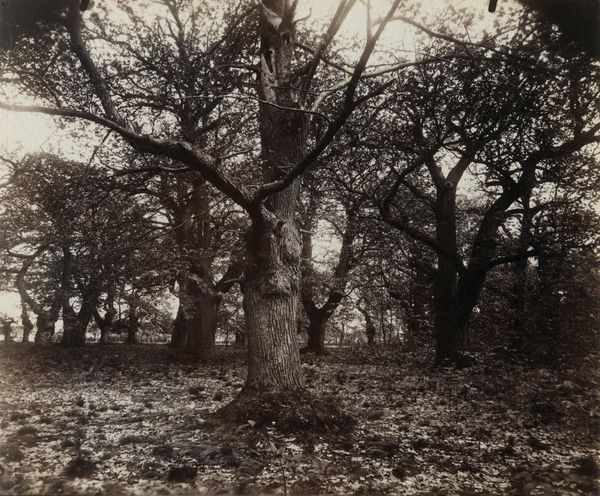
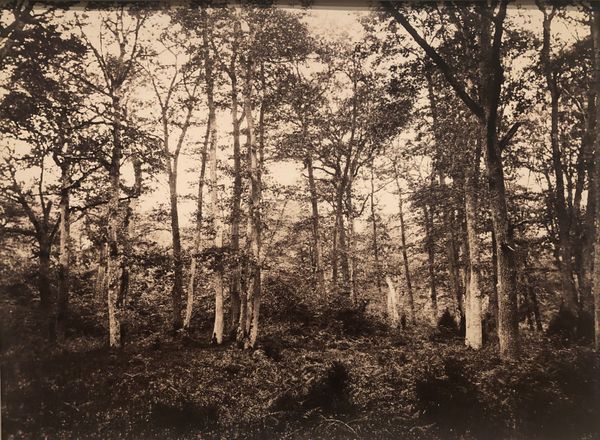
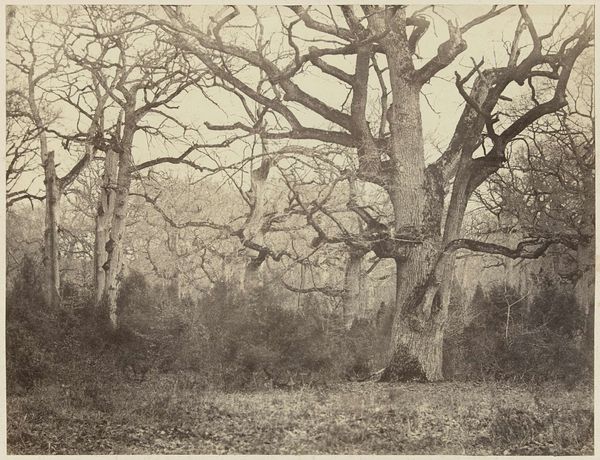
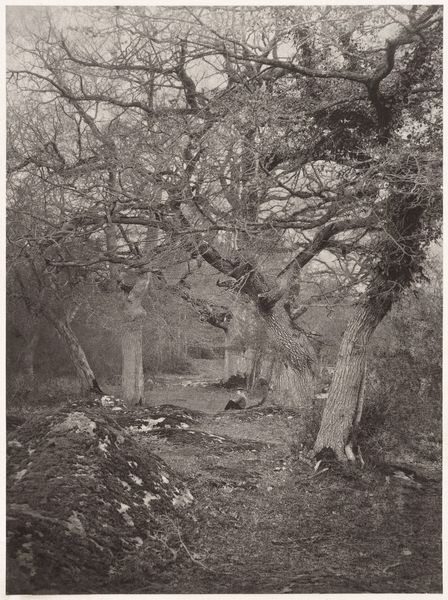
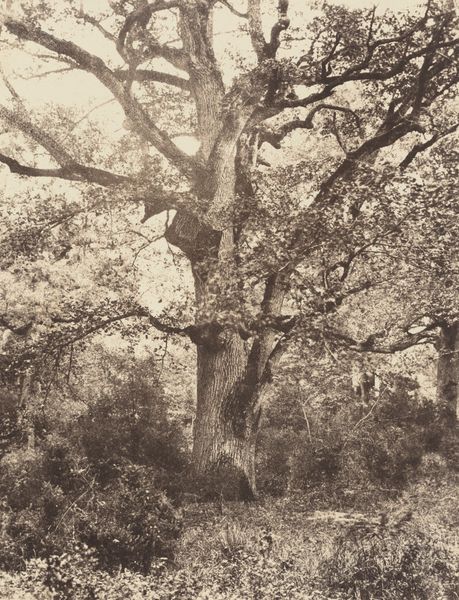
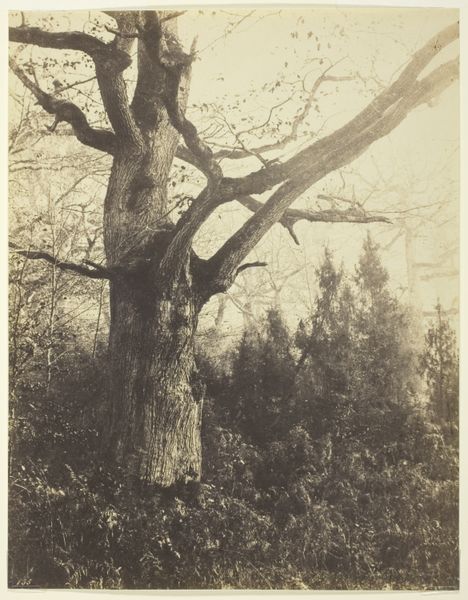
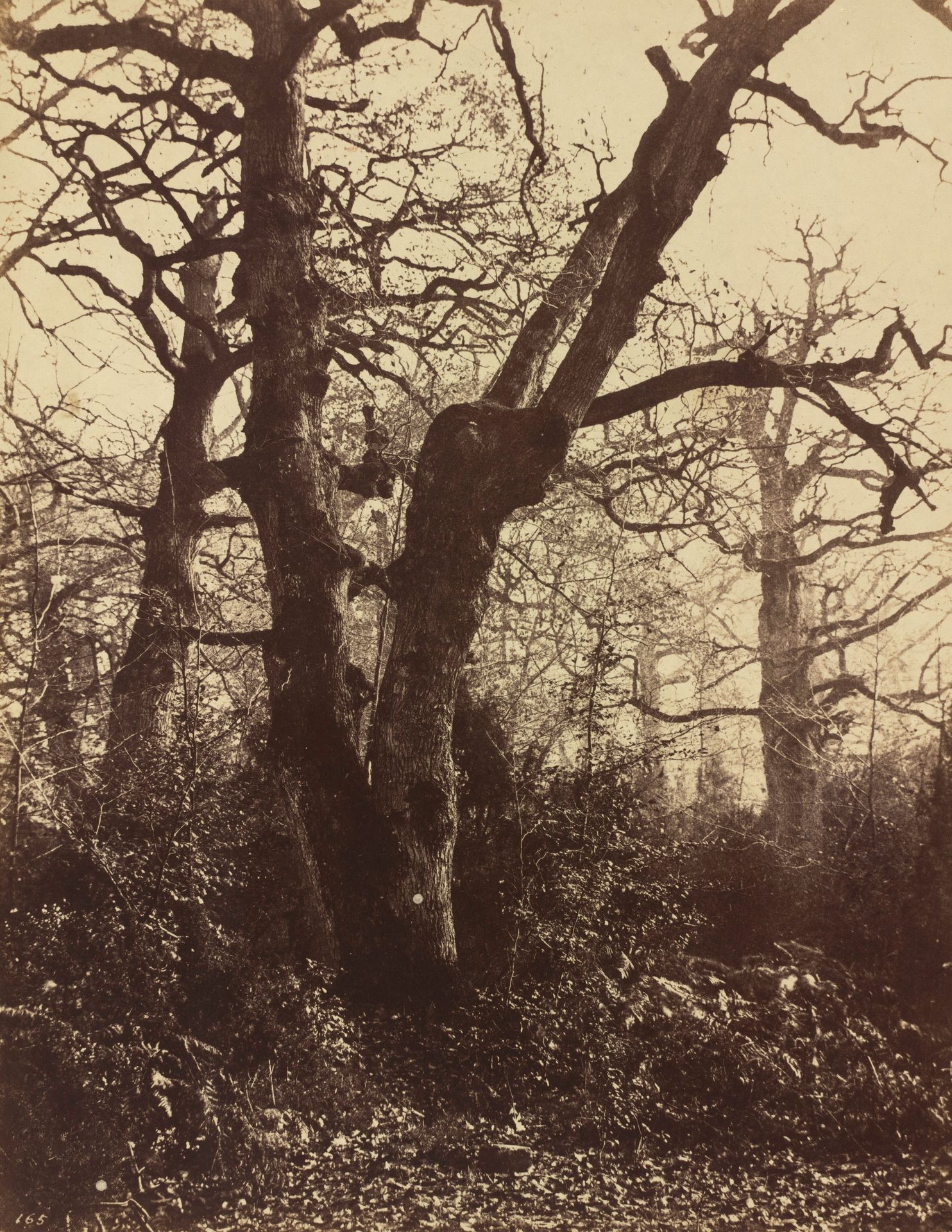
Tree Study, Fontainebleau


Listen to curator's interpretation
Curatorial notes
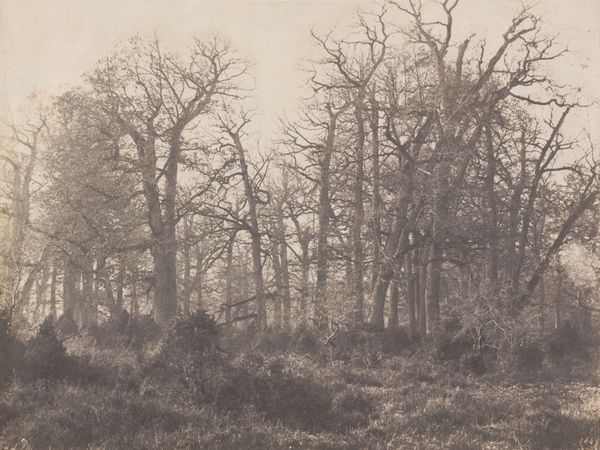
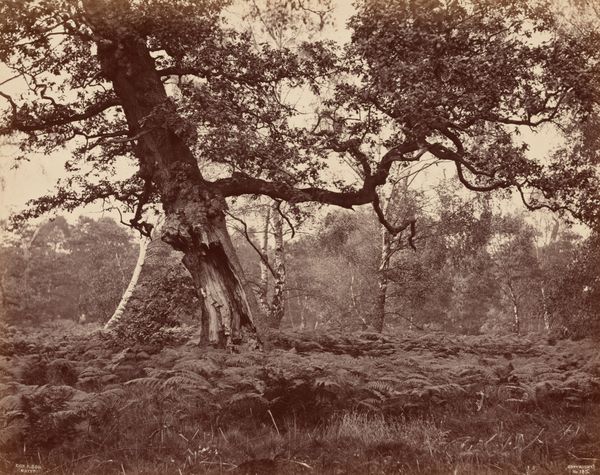
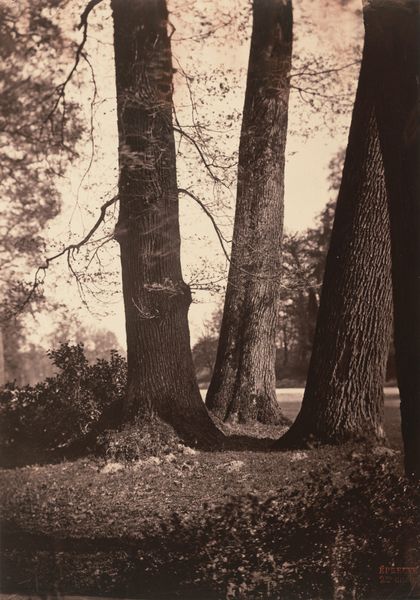
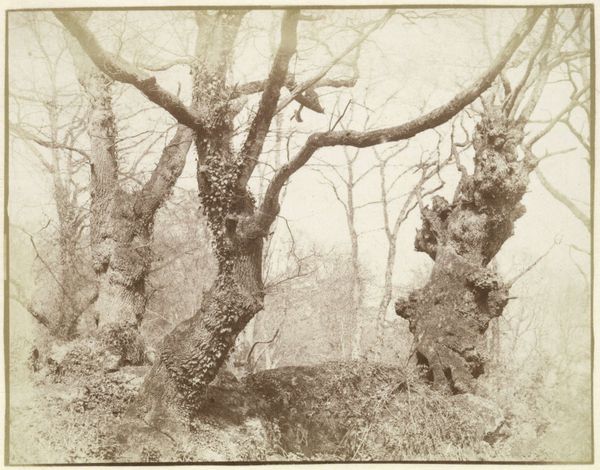
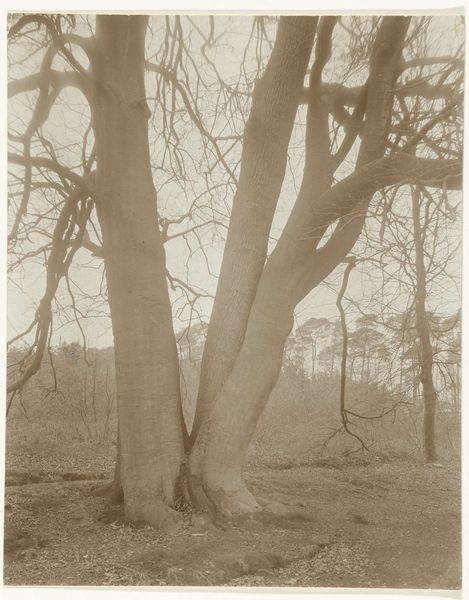
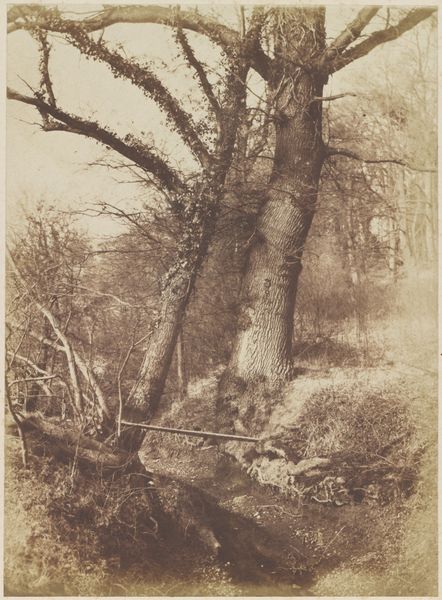
Here we see Eugène Cuvelier's "Tree Study, Fontainebleau," a photograph capturing the forest's silent, watchful figures. The trees, stark and reaching, possess a symbolism deeply rooted in our collective consciousness. Since ancient times, they have represented life, growth, and interconnectedness. The oak, especially, embodies strength and endurance, its gnarled branches evoking a sense of timeless wisdom. Consider the "Tree of Life" motif, prevalent across cultures from the Norse Yggdrasil to the biblical tree in the Garden of Eden. The image suggests a hidden, vital connection between the terrestrial and the celestial. Our ancestors recognized in trees a profound metaphor for existence, and Cuvelier's work resonates with that primal understanding. The photograph stirs within us an echo of this ancient recognition, a reminder of the enduring power of nature's symbols. The symbol of the tree has an almost cyclical progression through time. Each time a symbol such as this resurfaces, it evolves and takes on new meanings in different historical contexts, yet it retains the essence of its origin.