About this artwork
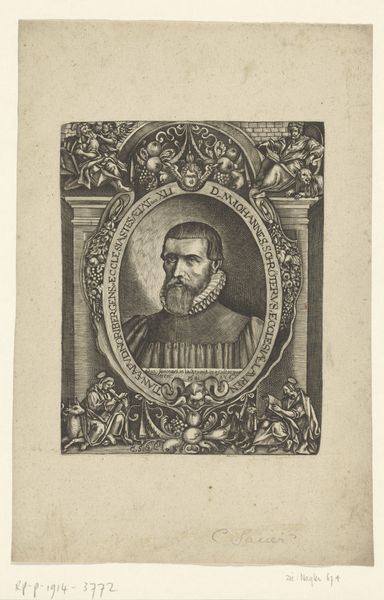
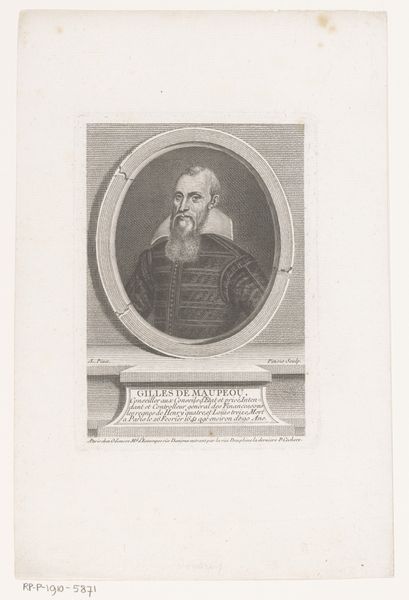
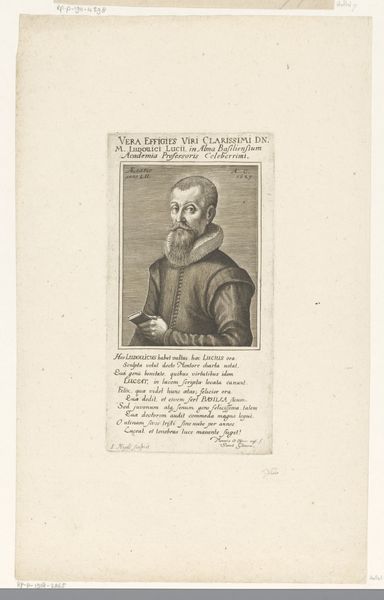
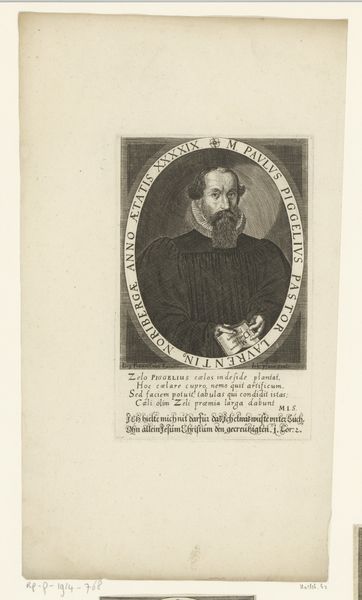
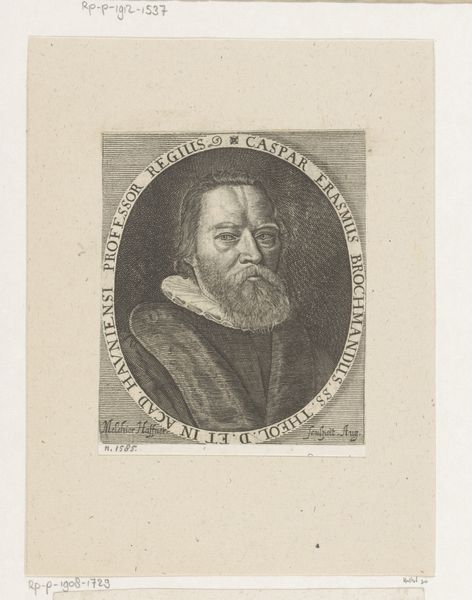
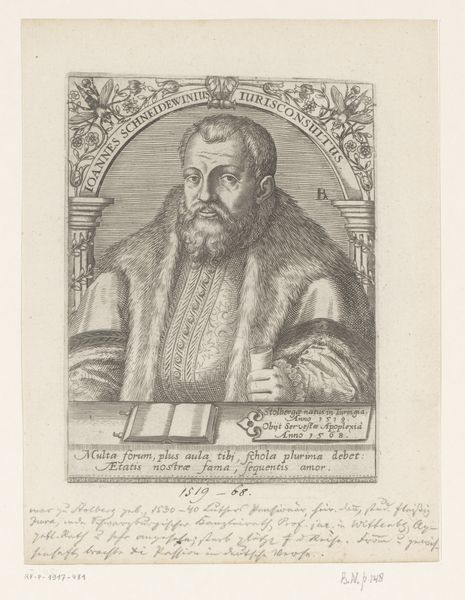
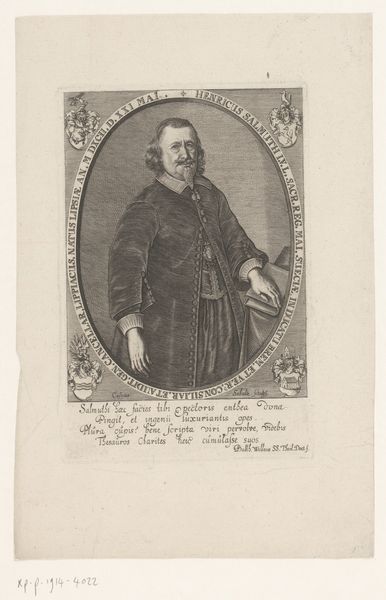
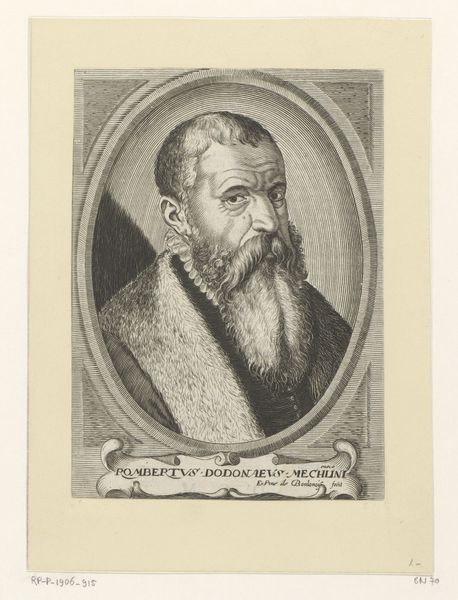
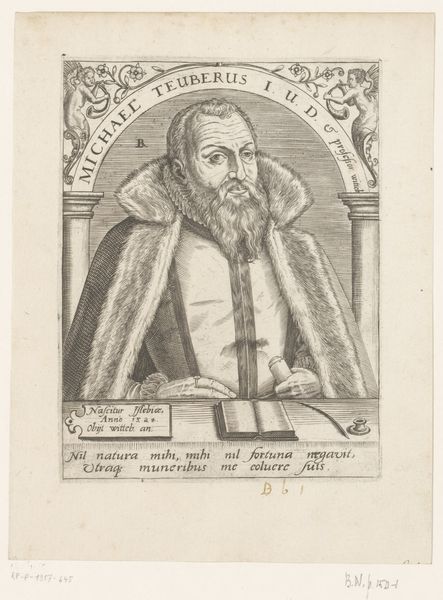
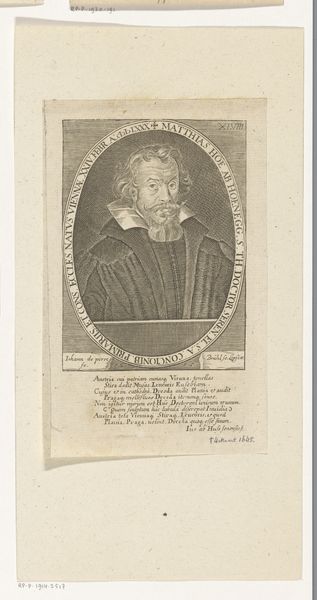
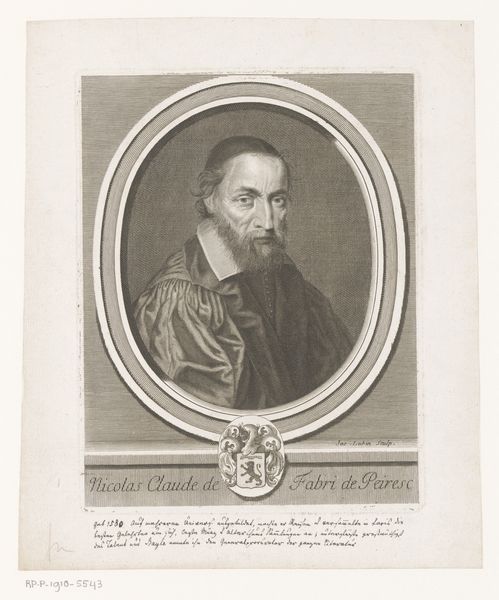
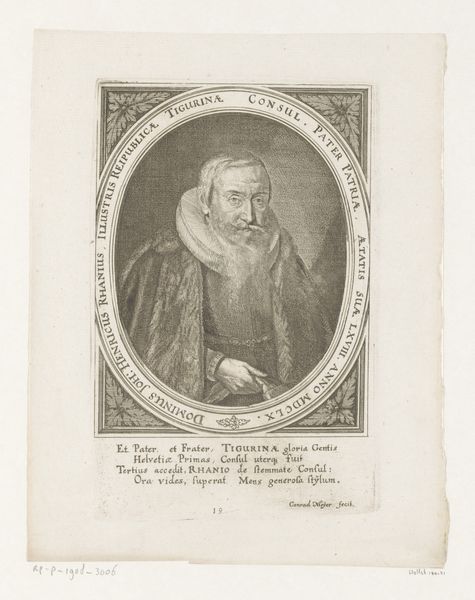
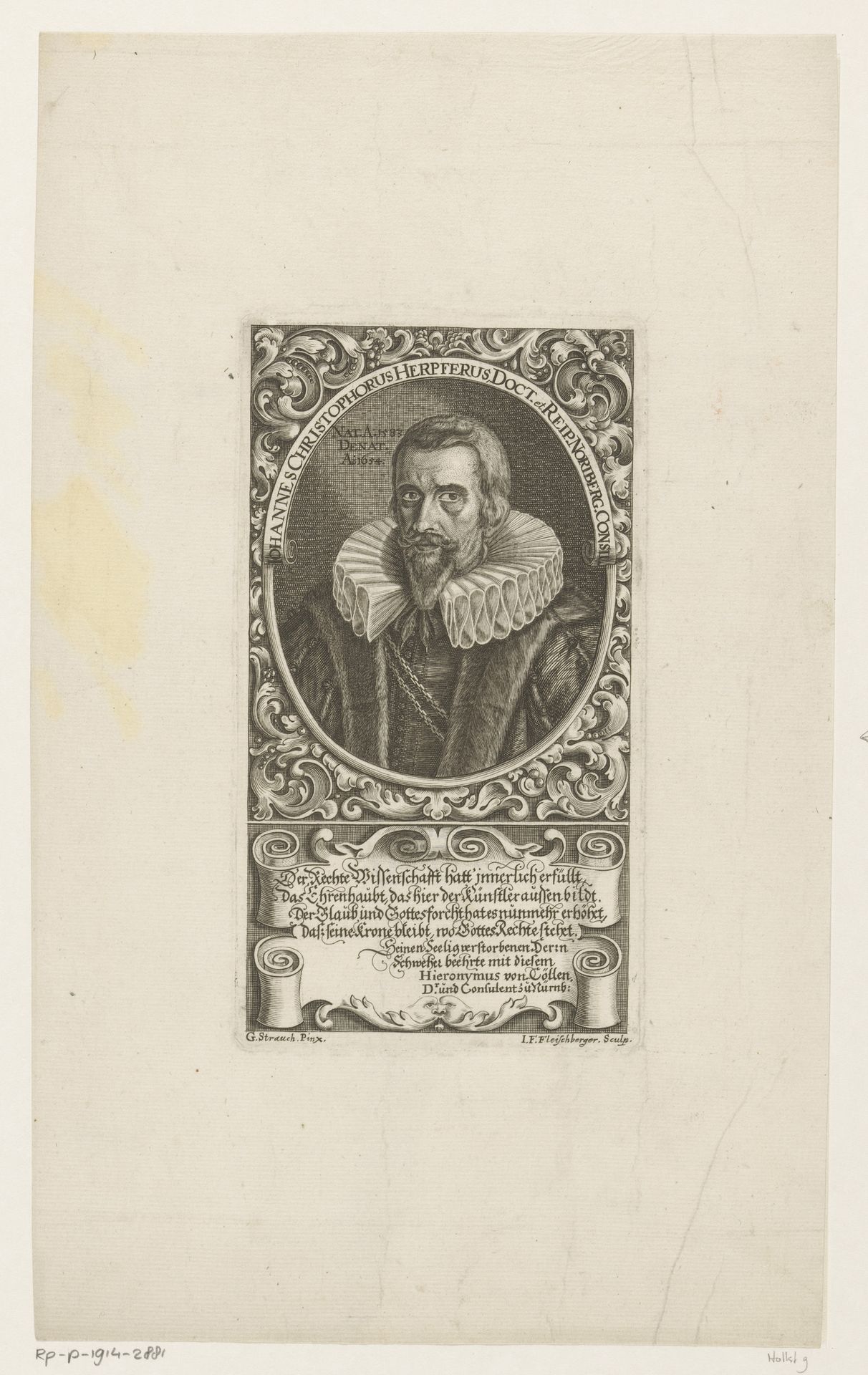
This engraving of Johann Christoph Herpfer was created by Johann Friedrich Fleischberger in the mid-17th century. The portrait, framed by ornate Baroque motifs, presents Herpfer as a man of learning and status, emphasized by his formal attire and the inscribed text. Images like this served a crucial function in early modern society. Before photography, engraved portraits were a primary means of disseminating likenesses and solidifying reputations. This print, likely commissioned by or for Herpfer, reflects the values of its time – reverence for scholarship, religious piety, and social hierarchy. Fleischberger's technical skill would have been in demand, as printmaking became increasingly important for communicating ideas and solidifying reputations. To understand this image fully, we can look into the history of portraiture and printmaking in 17th-century Europe. Investigating archival sources related to Herpfer and Fleischberger may reveal more about their social standing and the specific circumstances surrounding the production of this portrait. By situating this artwork within its historical context, we can gain insights into the cultural values and social dynamics of the period.

Artwork details
- Medium
- print, paper, ink, engraving
- Dimensions
- height 175 mm, width 97 mm
- Copyright
- Rijks Museum: Open Domain
Tags
Comments
Share your thoughts
About this artwork
This engraving of Johann Christoph Herpfer was created by Johann Friedrich Fleischberger in the mid-17th century. The portrait, framed by ornate Baroque motifs, presents Herpfer as a man of learning and status, emphasized by his formal attire and the inscribed text. Images like this served a crucial function in early modern society. Before photography, engraved portraits were a primary means of disseminating likenesses and solidifying reputations. This print, likely commissioned by or for Herpfer, reflects the values of its time – reverence for scholarship, religious piety, and social hierarchy. Fleischberger's technical skill would have been in demand, as printmaking became increasingly important for communicating ideas and solidifying reputations. To understand this image fully, we can look into the history of portraiture and printmaking in 17th-century Europe. Investigating archival sources related to Herpfer and Fleischberger may reveal more about their social standing and the specific circumstances surrounding the production of this portrait. By situating this artwork within its historical context, we can gain insights into the cultural values and social dynamics of the period.
Comments
Share your thoughts