
Curatorial notes
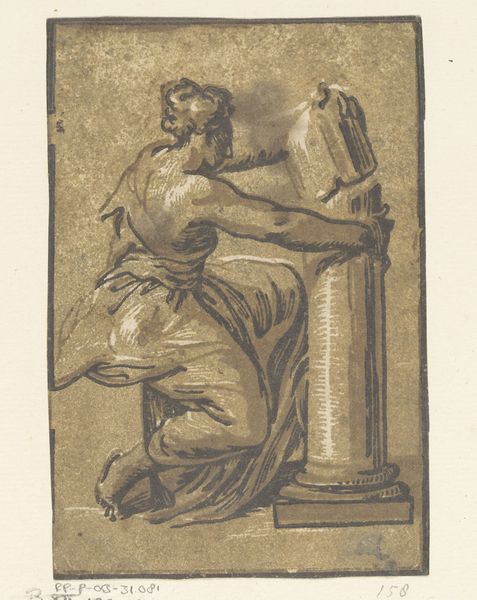
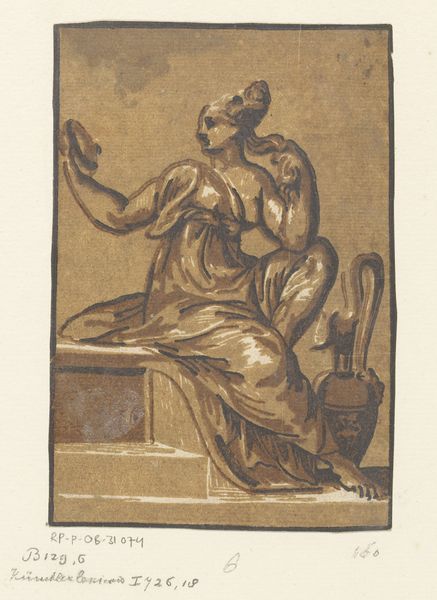
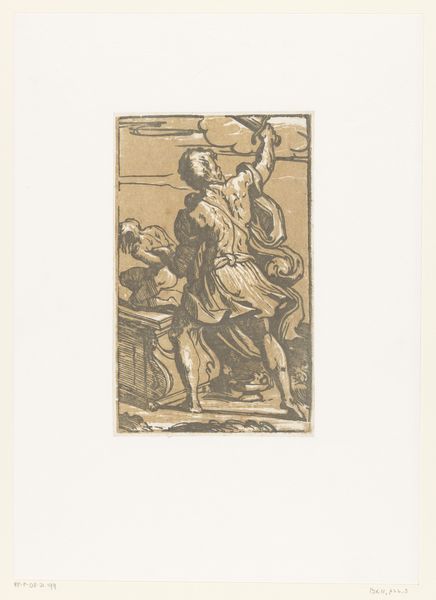
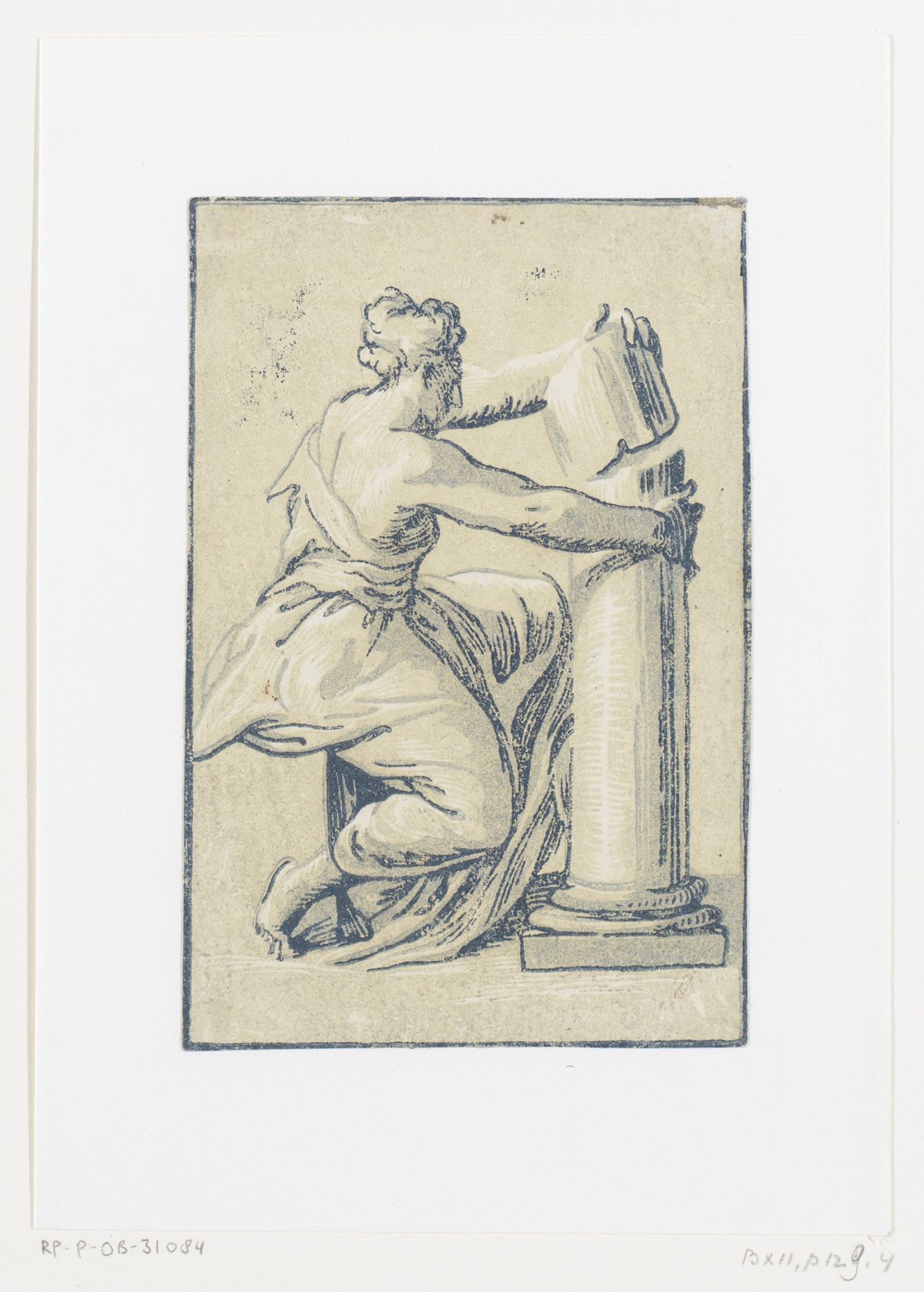
Ugo da Carpi created this chiaroscuro woodcut, titled “Kracht,” in the early 16th century, presenting us with a powerful symbolic tableau. Here, a draped female figure struggles to break a column, a classical architectural element signifying strength, stability, and order. The act of destruction is itself a potent motif, seen throughout history as both a destructive force and a necessary prelude to renewal. Consider, for instance, the image of Samson destroying the pillars of the Philistine temple, a narrative charged with the same tension between power and collapse. This image taps into a deep-seated collective memory, resonating with subconscious fears about the fragility of civilization and the cyclical nature of rise and fall. In Da Carpi's rendition, we witness a dynamic interplay, engaging viewers on a deeply psychological level with this powerful, ambivalent symbol. The act of breaking, of undermining foundational structures, is a recurring theme that continues to resurface, evolving with each new context, yet forever bound to its primal roots.