About this artwork
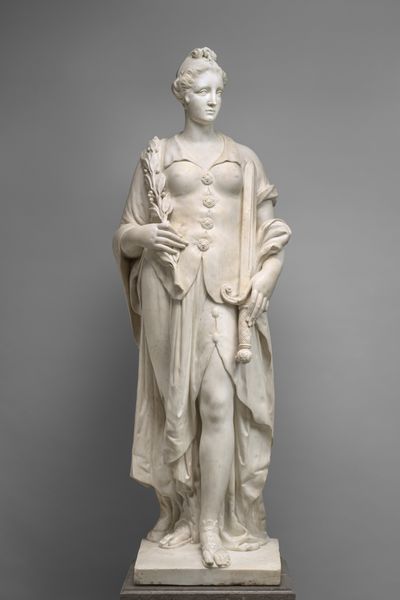
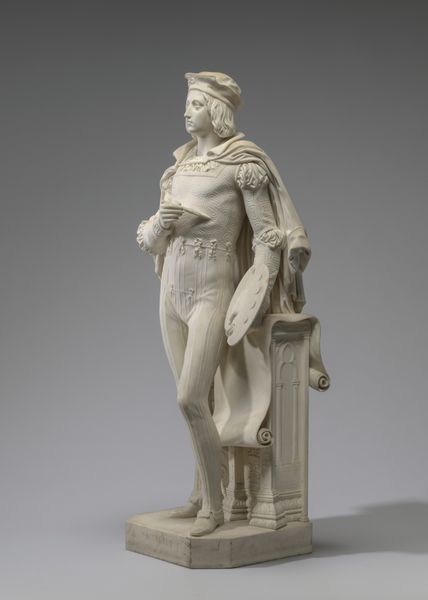
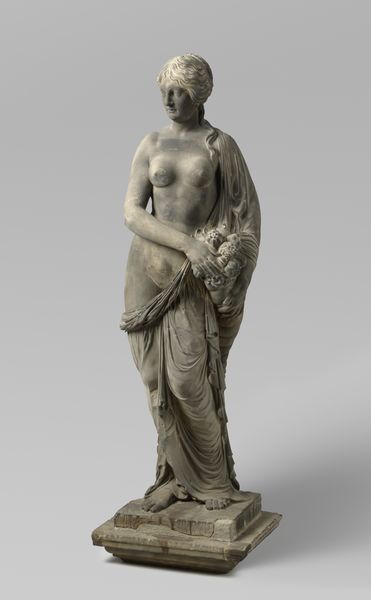
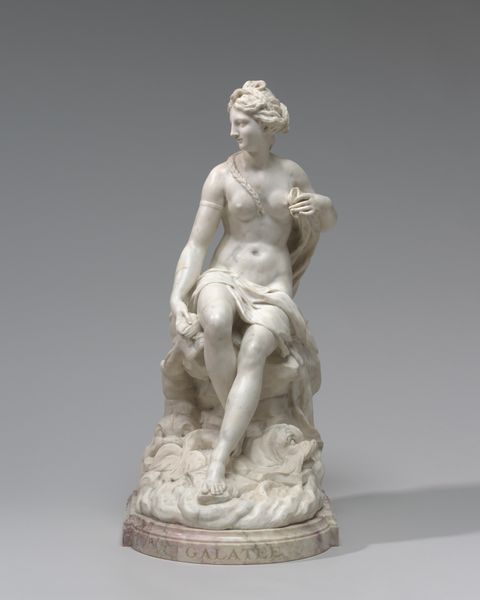
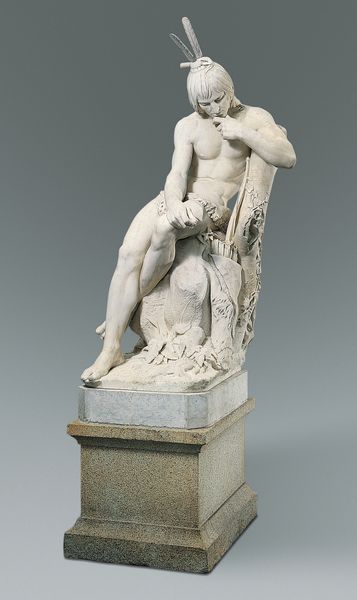
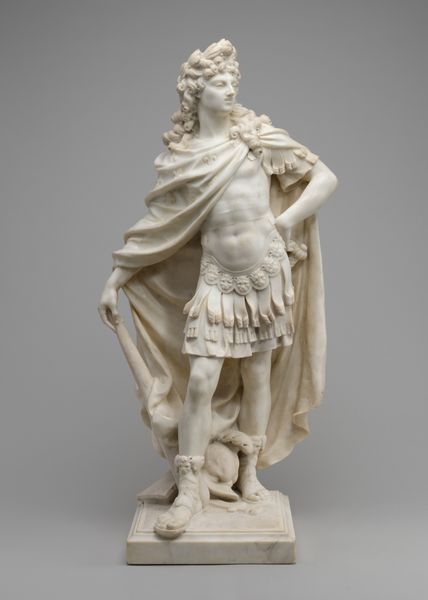
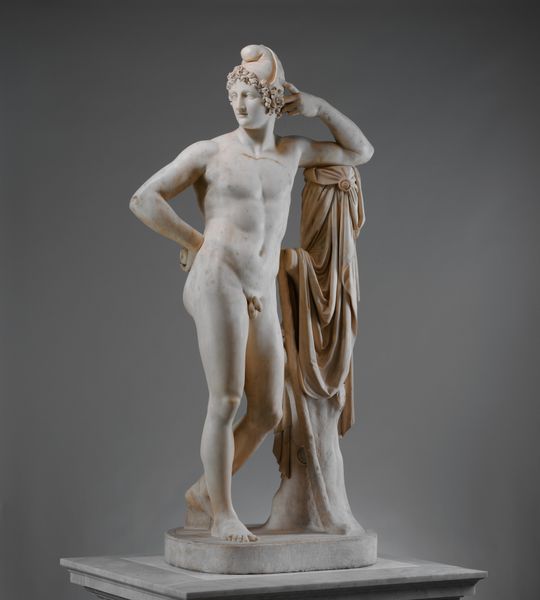
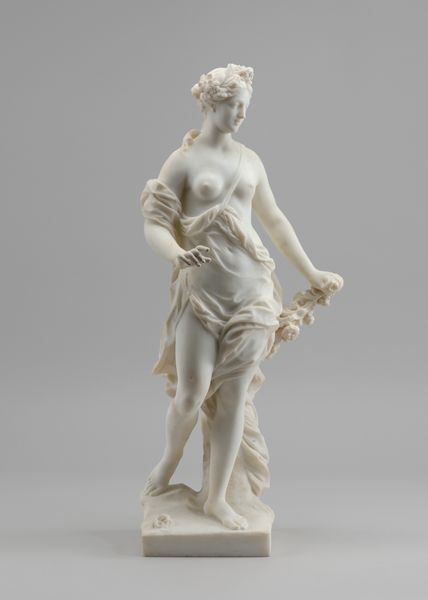
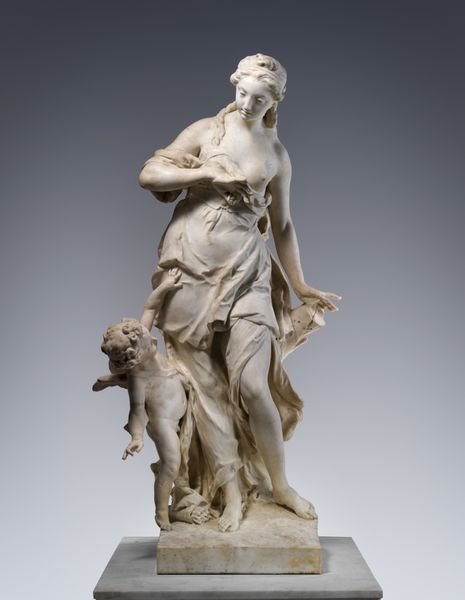
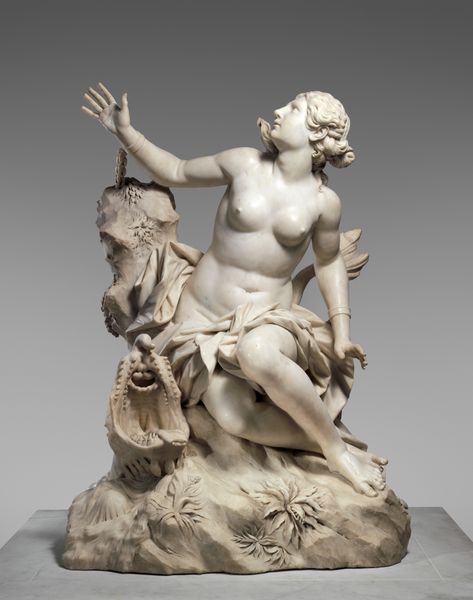
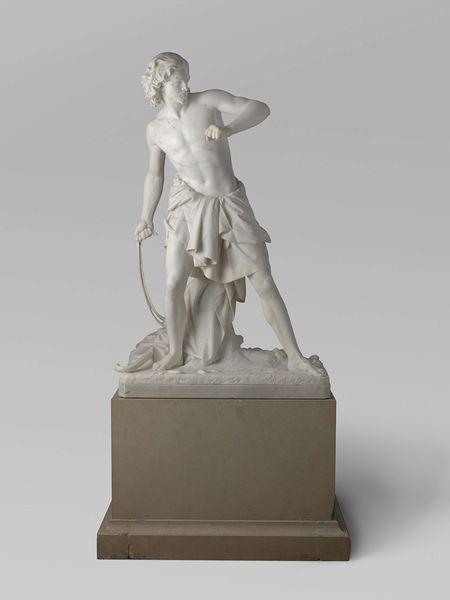
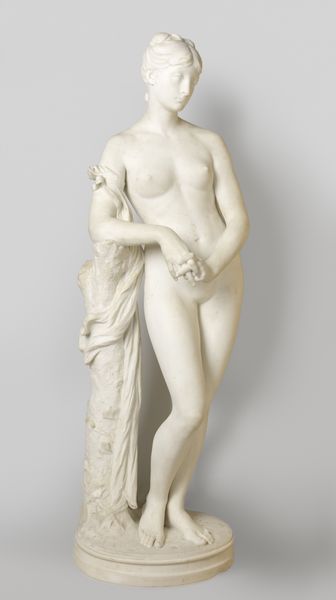
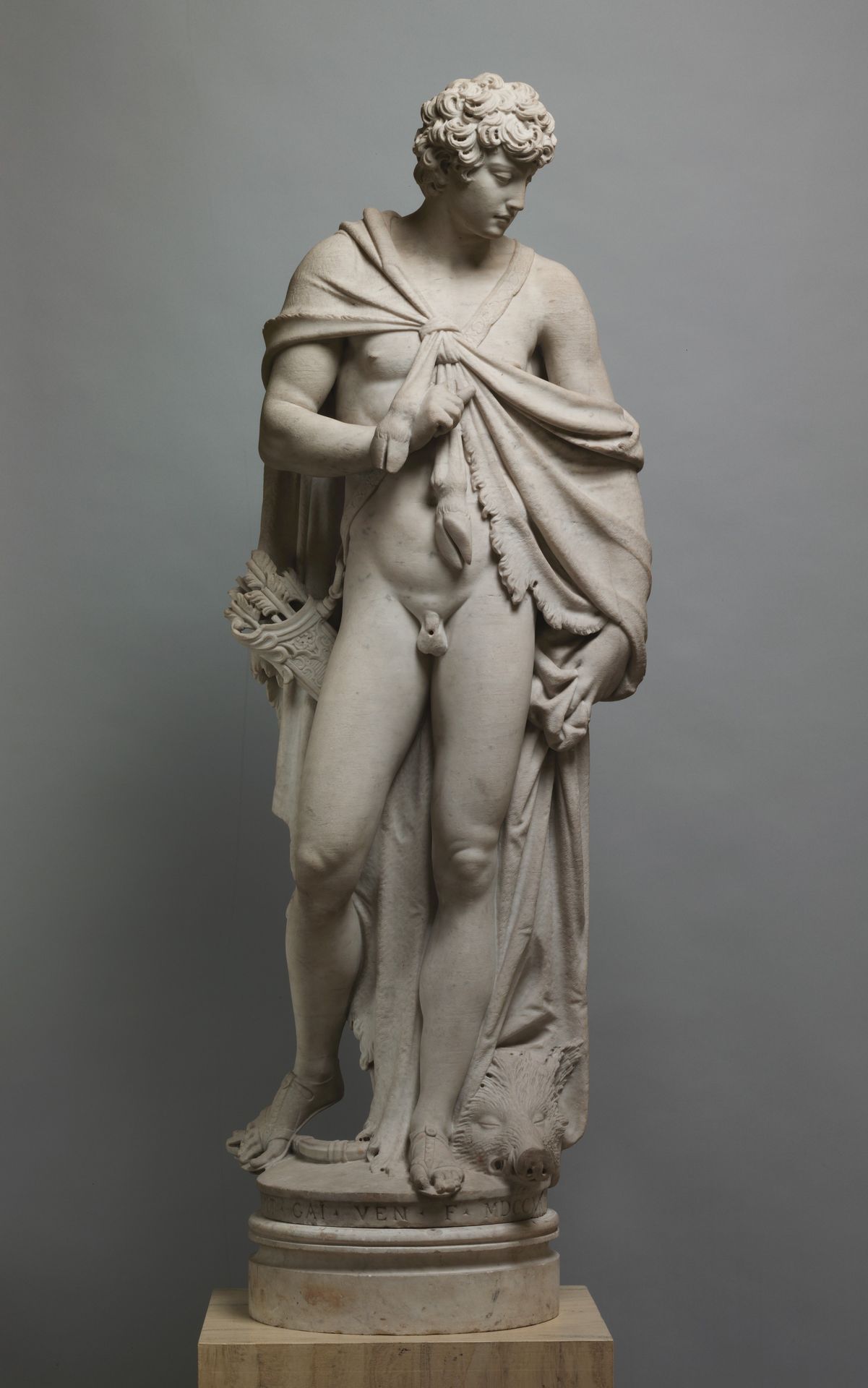
Antonio Gai created this marble sculpture of Meleager sometime in the 18th century. Marble has always been the stone of choice for those wishing to emulate the grandeur of classical sculpture, but it is also a tremendously challenging material. Consider the sheer physical labor involved in extracting such a large block from the earth, transporting it to the artist's studio, and then removing the excess stone to reveal the figure within. Gai would have employed a variety of tools, from chisels and gouges to rasps and polishing stones, each requiring a different level of skill and control. Notice how Gai has used these tools to create a range of textures, from the smooth, polished skin of Meleager to the rough, unfinished surface of the drapery. Looking closely, one can see the marks of the artist's hand, a testament to the time and effort required to bring this sculpture into being. Appreciating the artistry in this way allows us to move beyond conventional art history and recognize it as a feat of making.
Meleager 1735


Artwork details
- Medium
- sculpture, marble
- Dimensions
- Overall (wt. confirmed): 56 1/4 in., 493lb. (142.9 cm, 223.6233kg)
- Location
- Metropolitan Museum of Art, New York, NY
- Copyright
- Public Domain
Tags
portrait
baroque
sculpture
classical-realism
figuration
sculpture
history-painting
academic-art
decorative-art
marble
nude
Comments
No comments
About this artwork
Antonio Gai created this marble sculpture of Meleager sometime in the 18th century. Marble has always been the stone of choice for those wishing to emulate the grandeur of classical sculpture, but it is also a tremendously challenging material. Consider the sheer physical labor involved in extracting such a large block from the earth, transporting it to the artist's studio, and then removing the excess stone to reveal the figure within. Gai would have employed a variety of tools, from chisels and gouges to rasps and polishing stones, each requiring a different level of skill and control. Notice how Gai has used these tools to create a range of textures, from the smooth, polished skin of Meleager to the rough, unfinished surface of the drapery. Looking closely, one can see the marks of the artist's hand, a testament to the time and effort required to bring this sculpture into being. Appreciating the artistry in this way allows us to move beyond conventional art history and recognize it as a feat of making.
Comments
No comments