1820 - 1821
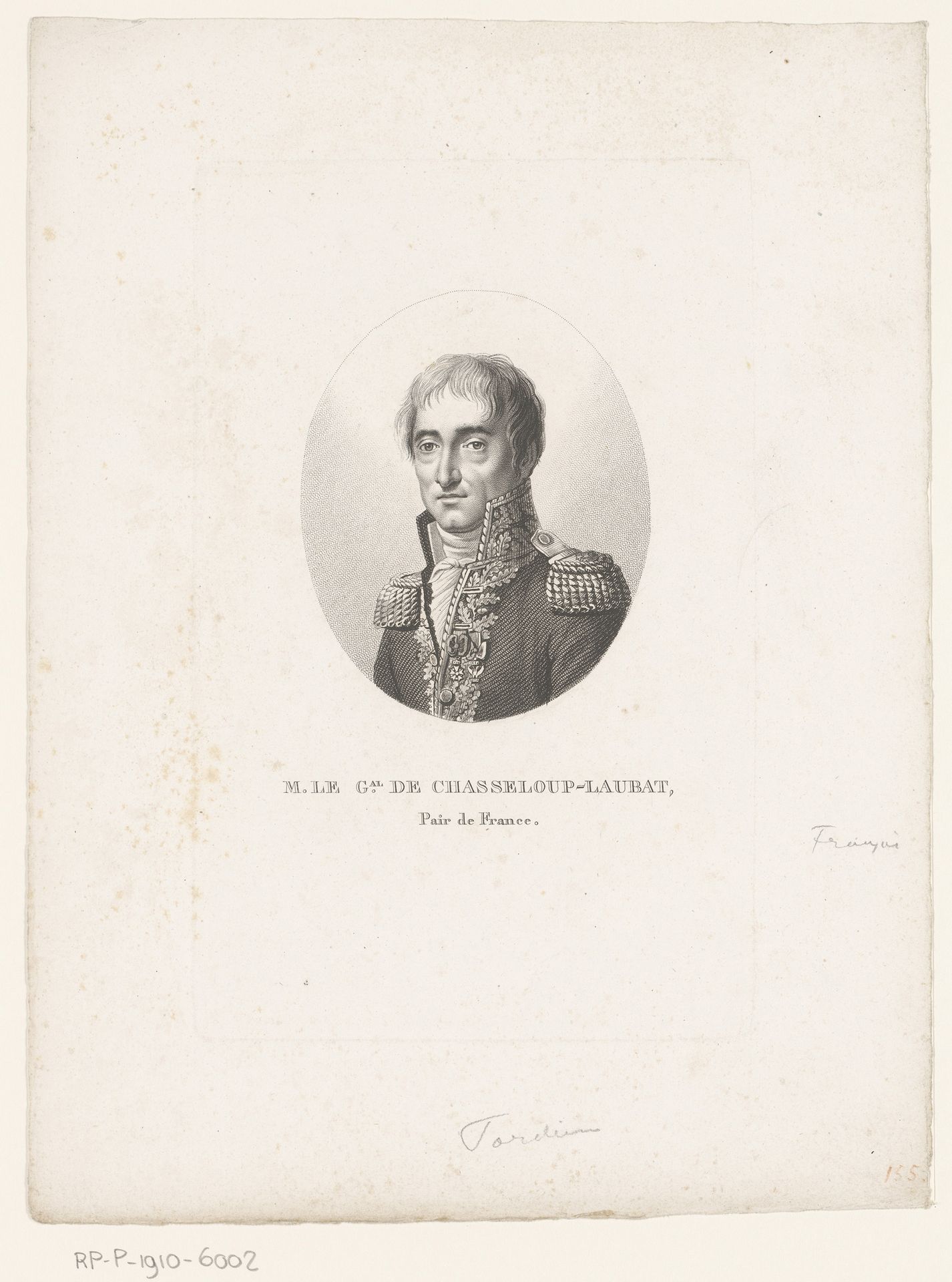
Portret van François de Chasseloup-Laubat

Listen to curator's interpretation
Curatorial notes
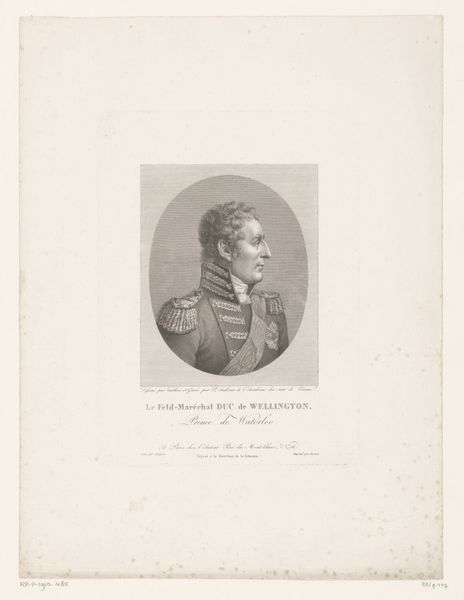
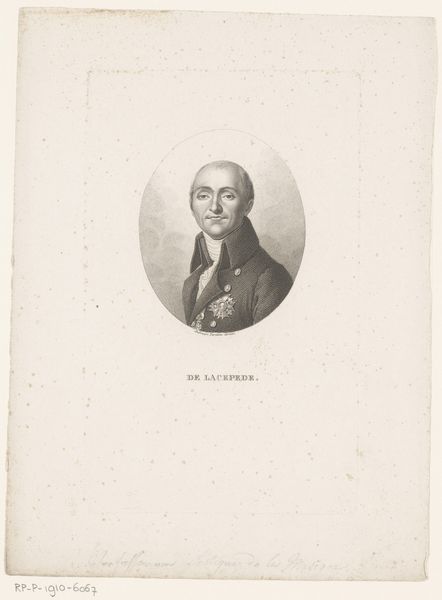
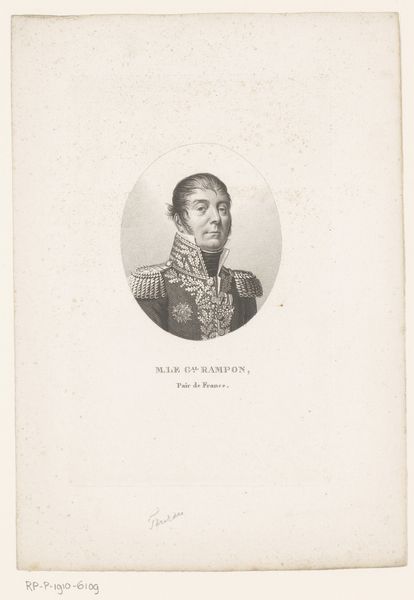
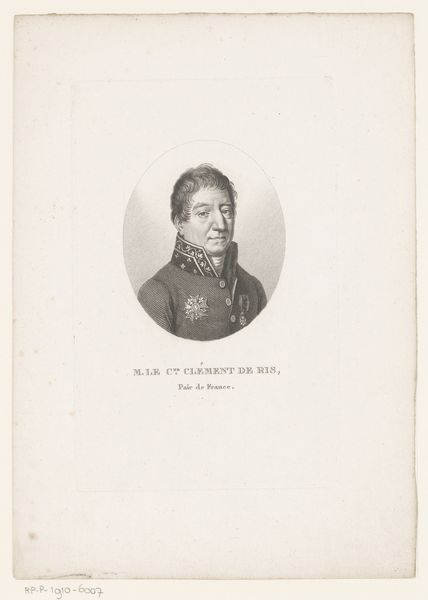
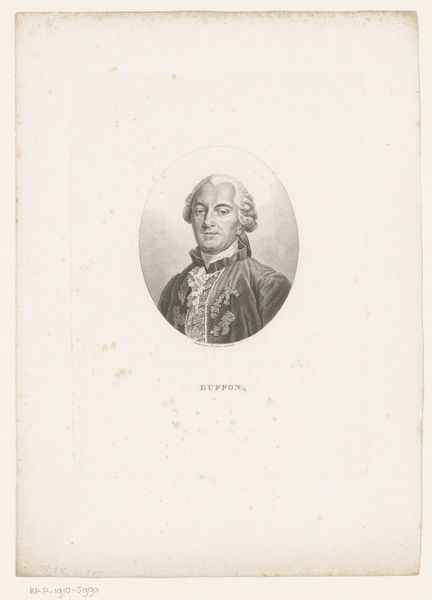
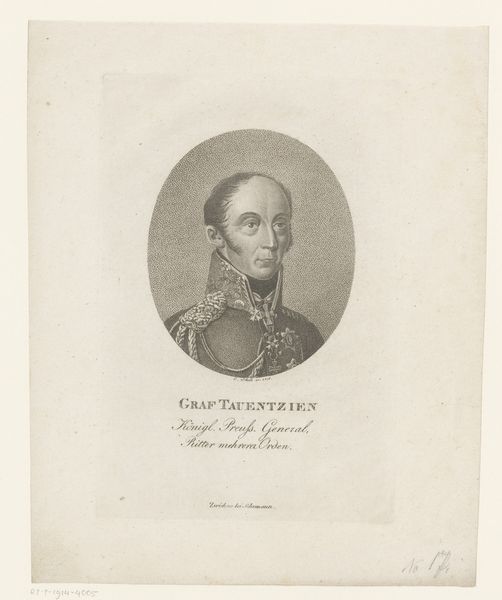
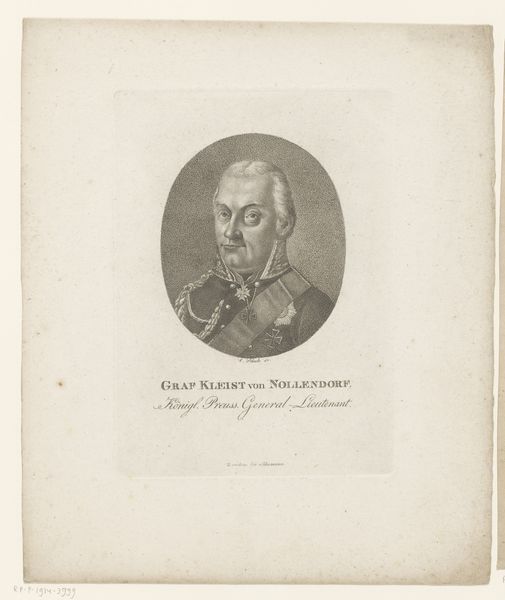
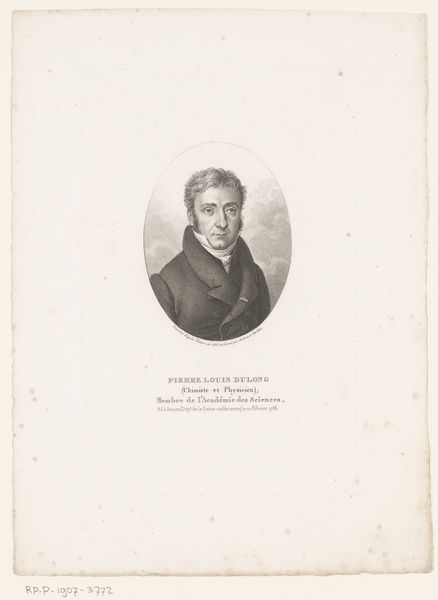
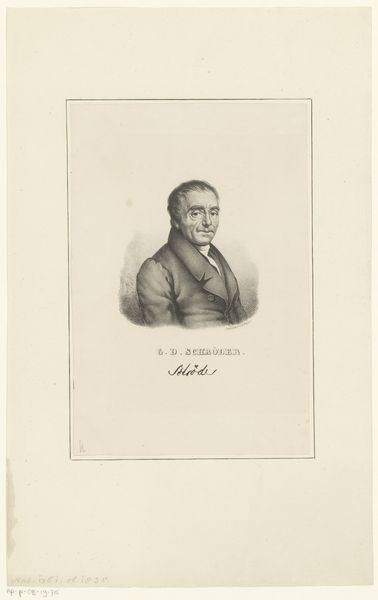
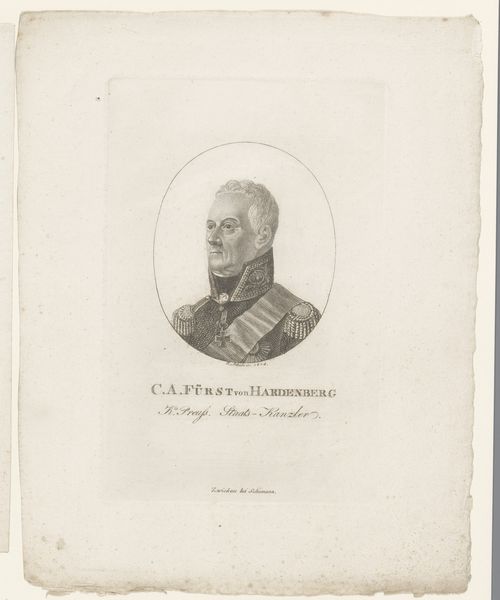
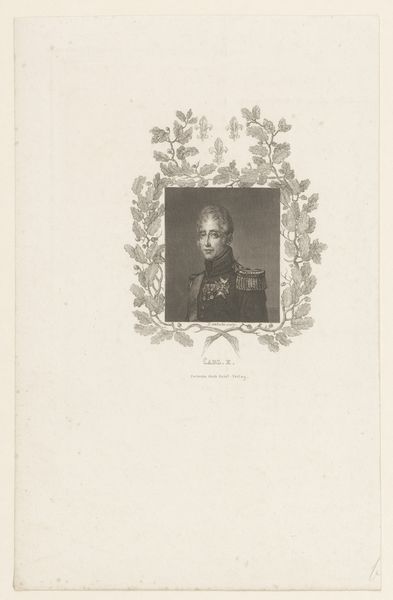
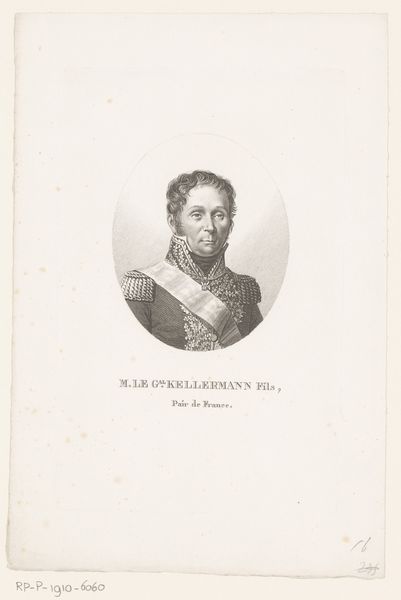
Curator: This is an engraving from between 1820 and 1821 by Ambroise Tardieu. The piece, done in the Neoclassical style, is entitled "Portret van François de Chasseloup-Laubat," rendering the French general in a formal portrait. Editor: There's something profoundly...severe about him. Like he’s silently judging everyone in the room. The shading is precise but gives his gaze an almost piercing quality. I almost want to apologize for something, but I don't even know what! Curator: Indeed, the stark lines and shading exemplify Neoclassical portraiture's penchant for structure and precision, lending itself to a formal austerity, in order to glorify historical subjects. Notice the tight lines of the uniform's detailing against the stark background. Editor: Oh, totally, he’s buttoned-up, in every sense! That uniform is like a fortress. The precision you are mentioning and how tightly composed it all is suggests someone very controlled, contained. You barely see any softness. I guess being a general doesn't leave much room for vulnerability, especially in an era defined by war. Curator: This engraving method, by definition, demands control; the clear, graphic representation devoid of painterly effects, emphasizes structure and definition and is rooted in Neoclassical devotion to clarity. Editor: It's also fascinating how they manage to make an engraving so…stiff. It feels like a photographic record but devoid of the "human" side you might feel in an oil painting from the same era. Curator: Engravings, disseminated as prints, democratized portraiture— rendering leaders accessible for a populace during the shifting powers after the French Revolution. Editor: Makes you think, what face do leaders want the public to see and the cost of those portrayals! Curator: Yes, portraits like this project a carefully constructed image of power and stability. Editor: I guess that severity serves its purpose. Though I prefer seeing portraits with a little more humanity on display. Curator: Well, whether conveying a certain kind of rigor or distance, engravings, especially portraits like these, freeze in time that desire to be seen as resolute, efficient, even permanent.