About this artwork
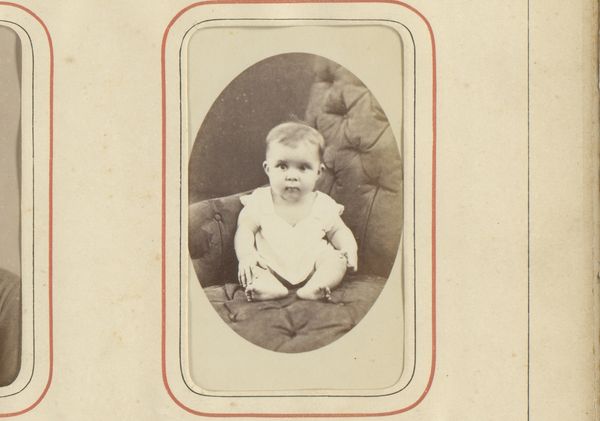
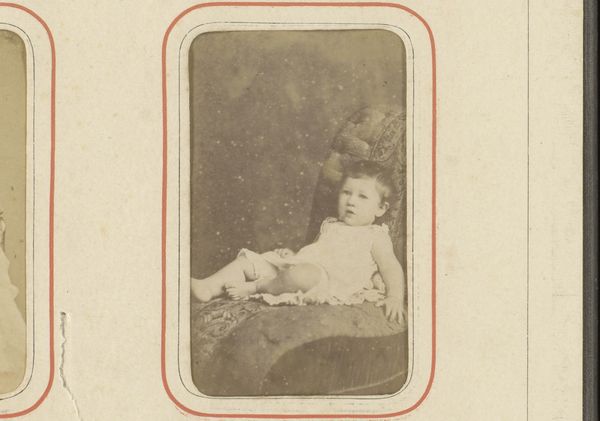
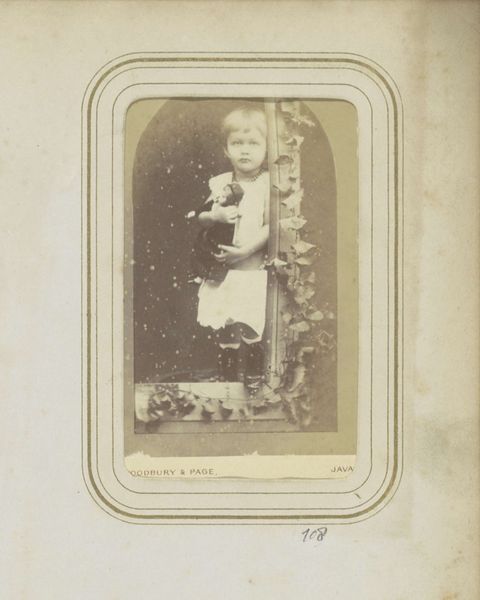
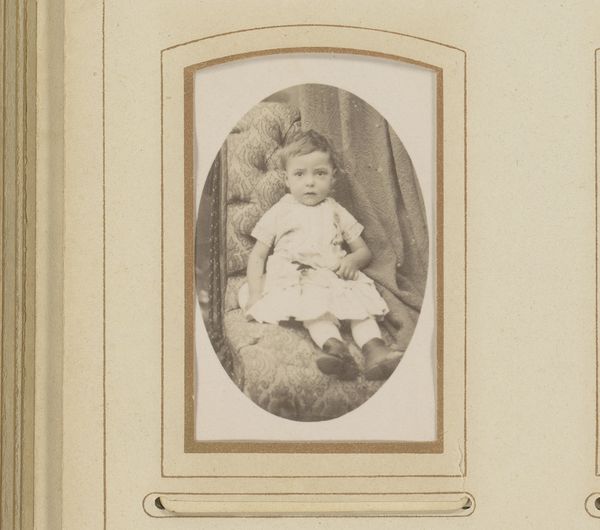
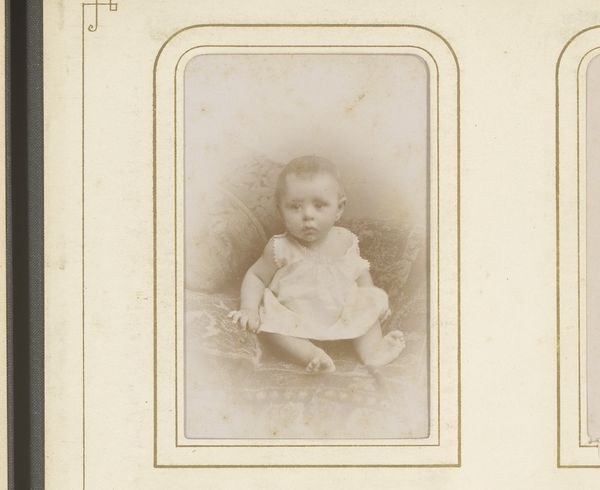
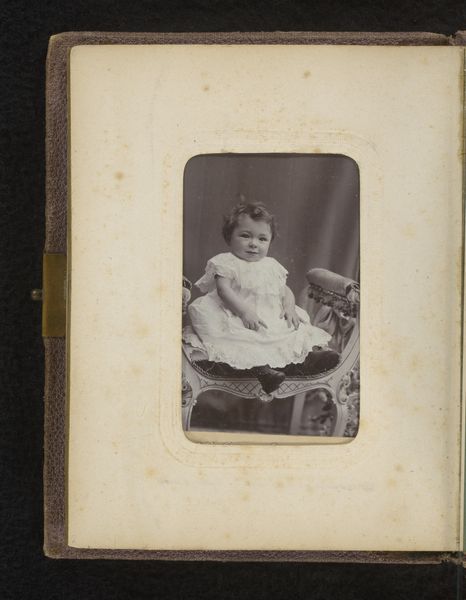
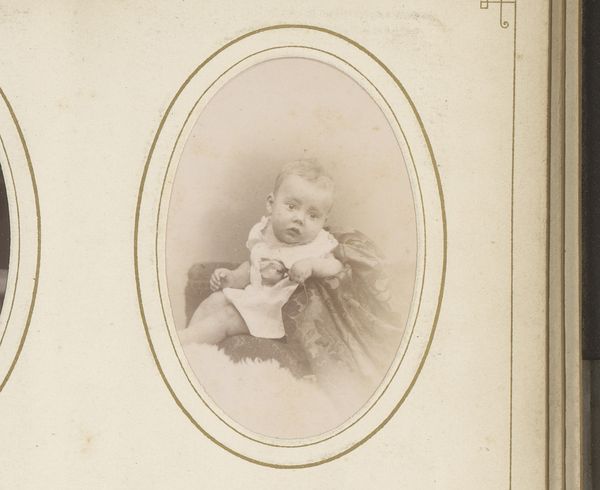
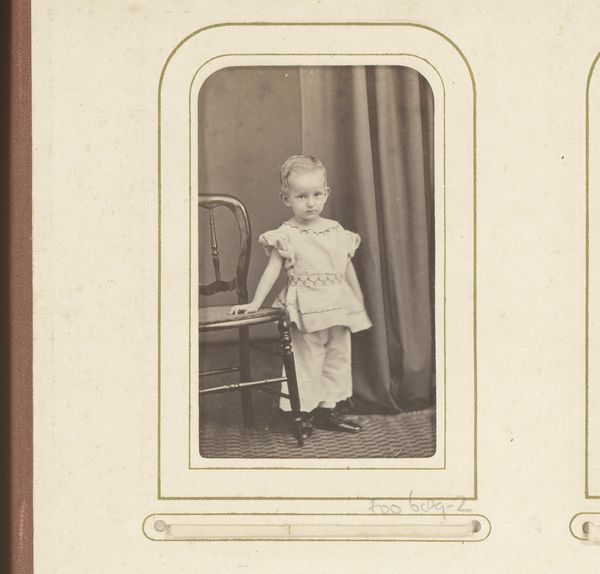
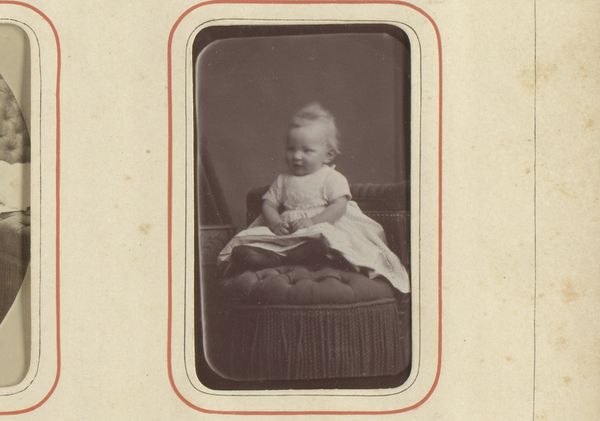
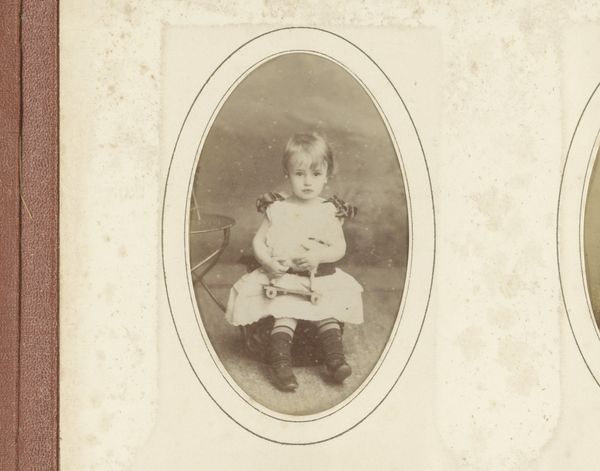
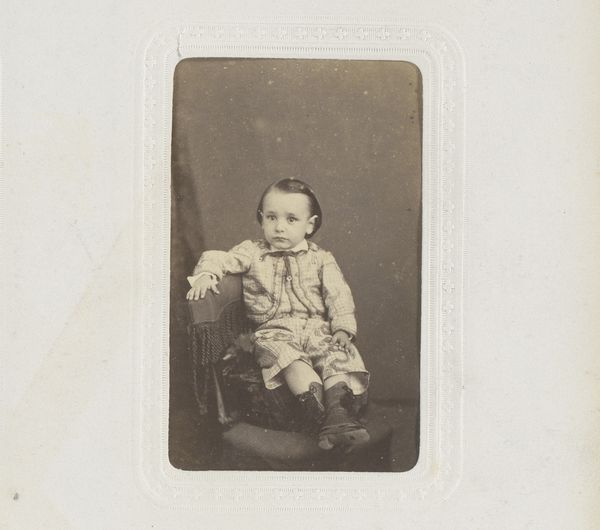
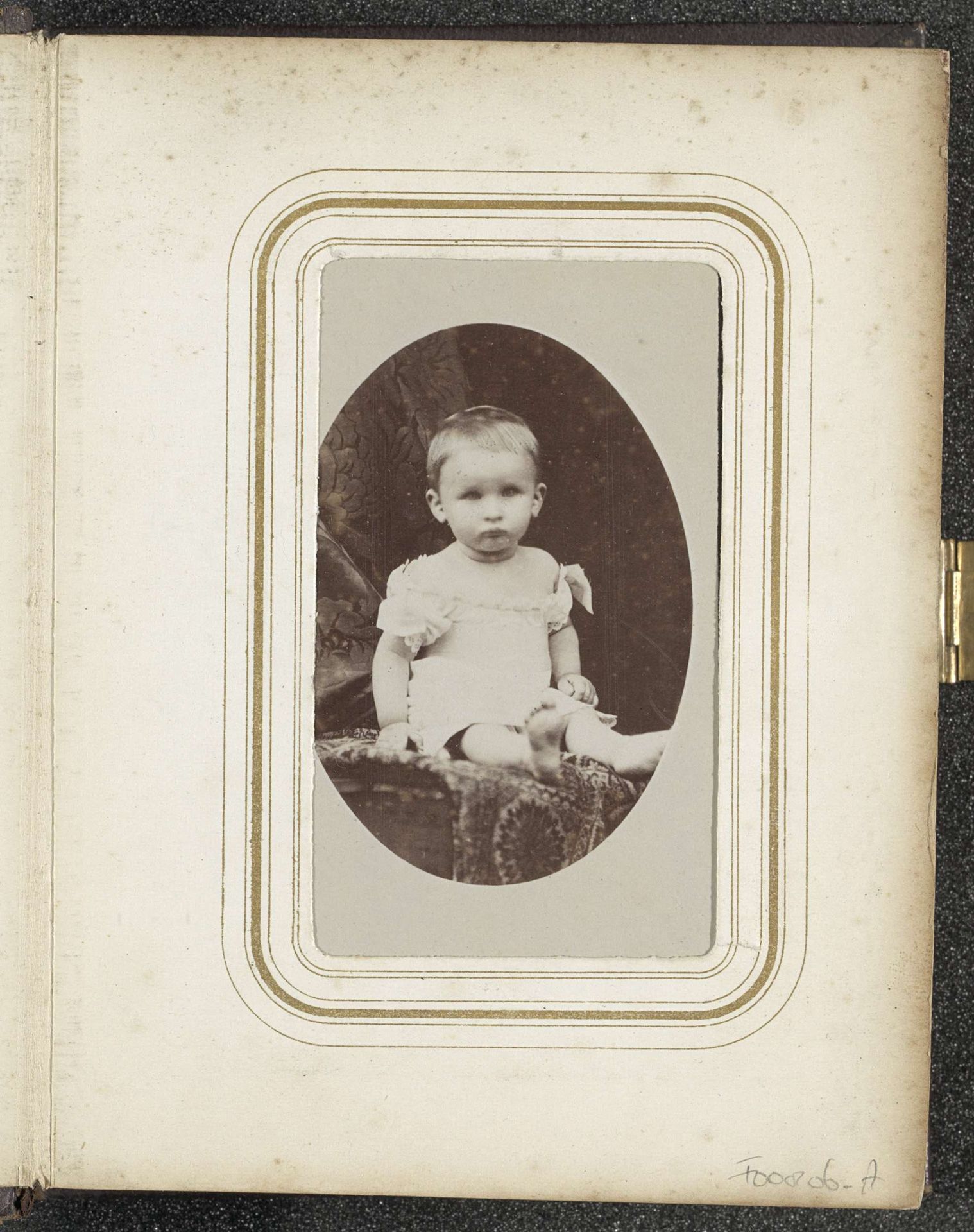
Johannes Baer made this photograph of a seated toddler in a white dress, but its date remains a mystery. This image allows us to consider the relationship between photography and social class in the Netherlands. In the late 19th century, photography studios emerged as institutions of social representation, capturing images of individuals and families, mainly from the middle and upper classes. The child's formal attire and posed presentation suggest a family of means, keen to participate in this new form of visual culture. The very act of commissioning a portrait speaks to the family's desire for social visibility and status. But the real question is, in what ways did the studio influence the family? Did the studio prescribe the clothing or the pose? By studying these images and related documents, such as studio records and family archives, we can better understand the social conditions that shaped artistic production and consumption during this period.
Portret van een zittende peuter in een witte jurk
c. 1890 - 1910

Johannes Baer
1840 - 1912Location
RijksmuseumArtwork details
- Medium
- photography, gelatin-silver-print
- Dimensions
- height 90 mm, width 56 mm, height 105 mm, width 63 mm
- Location
- Rijksmuseum
- Copyright
- Rijks Museum: Open Domain
Tags
Comments
Share your thoughts
About this artwork
Johannes Baer made this photograph of a seated toddler in a white dress, but its date remains a mystery. This image allows us to consider the relationship between photography and social class in the Netherlands. In the late 19th century, photography studios emerged as institutions of social representation, capturing images of individuals and families, mainly from the middle and upper classes. The child's formal attire and posed presentation suggest a family of means, keen to participate in this new form of visual culture. The very act of commissioning a portrait speaks to the family's desire for social visibility and status. But the real question is, in what ways did the studio influence the family? Did the studio prescribe the clothing or the pose? By studying these images and related documents, such as studio records and family archives, we can better understand the social conditions that shaped artistic production and consumption during this period.
Comments
Share your thoughts