About this artwork
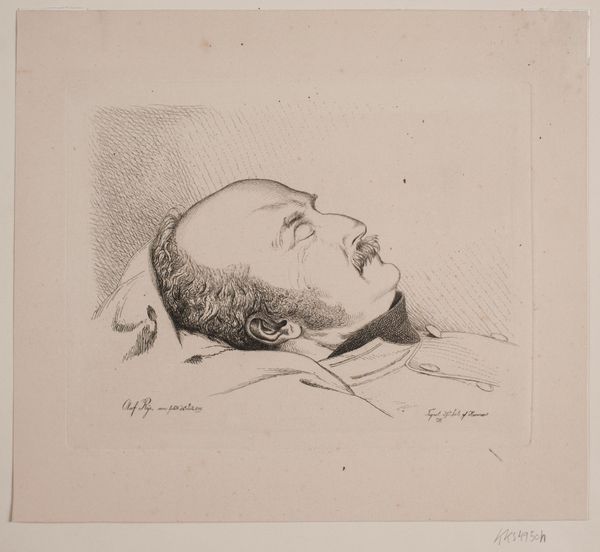
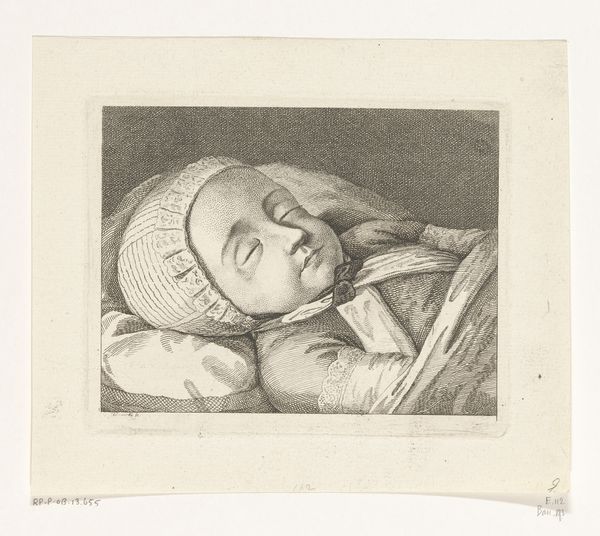
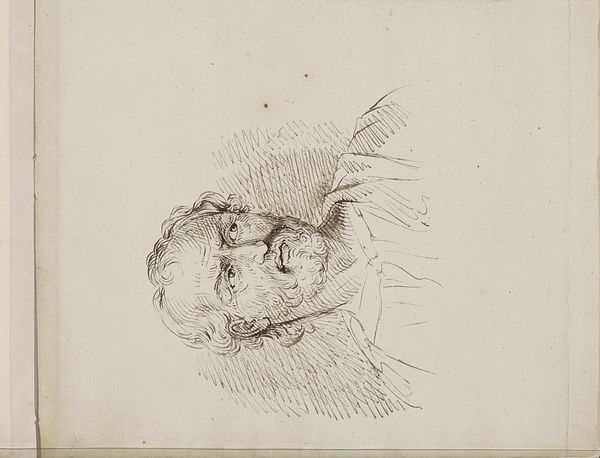
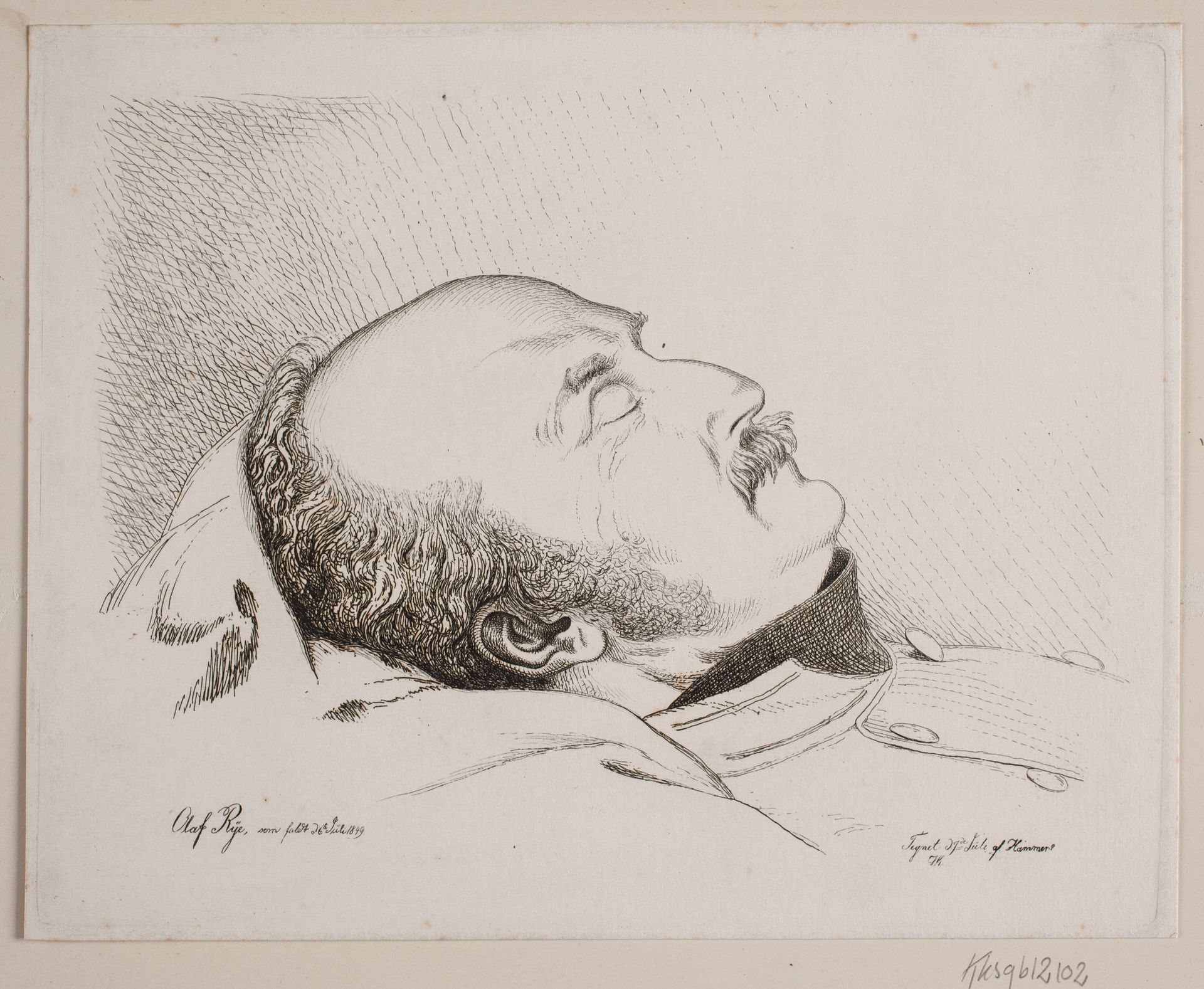
This stark image by Vilhelm Kyhn captures Olaf Rye in death. The closed eyes and still pose are universal symbols of mortality, a poignant representation of a soldier's ultimate sacrifice. The motif of the closed eye dates back to ancient funerary art, often seen in sarcophagi and death masks, signifying the soul's journey to the afterlife. Consider the countless effigies across cultures, where closed eyes mark the transition from the world of the living to the realm of the dead. Over time, this symbol evolved, appearing in Renaissance paintings to evoke a sense of peace and resignation. There’s a profound psychological weight in witnessing this image. The stillness invites reflection, engaging our subconscious with themes of loss and remembrance, reminding us of the cyclical nature of life and death. This echoes through history.
Olaf Rye som lig
1850


Artwork details
- Medium
- drawing, print, etching, pencil
- Dimensions
- 158 mm (height) x 195 mm (width) (plademaal)
- Location
- SMK - Statens Museum for Kunst
Tags
Comments
Share your thoughts
About this artwork
This stark image by Vilhelm Kyhn captures Olaf Rye in death. The closed eyes and still pose are universal symbols of mortality, a poignant representation of a soldier's ultimate sacrifice. The motif of the closed eye dates back to ancient funerary art, often seen in sarcophagi and death masks, signifying the soul's journey to the afterlife. Consider the countless effigies across cultures, where closed eyes mark the transition from the world of the living to the realm of the dead. Over time, this symbol evolved, appearing in Renaissance paintings to evoke a sense of peace and resignation. There’s a profound psychological weight in witnessing this image. The stillness invites reflection, engaging our subconscious with themes of loss and remembrance, reminding us of the cyclical nature of life and death. This echoes through history.
Comments
Share your thoughts