
Curatorial notes
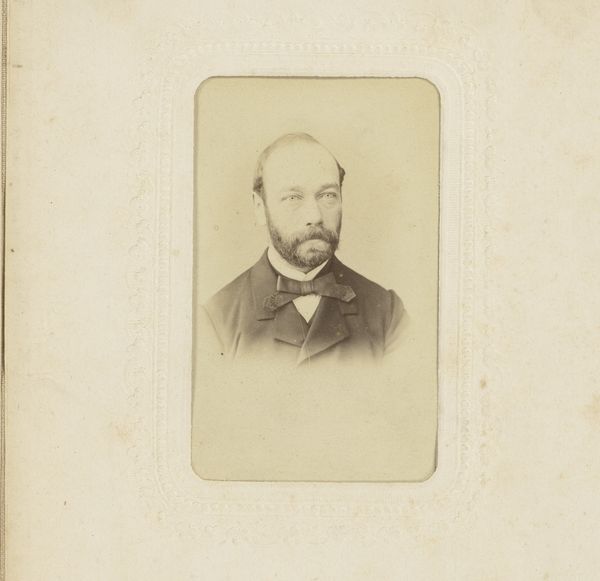
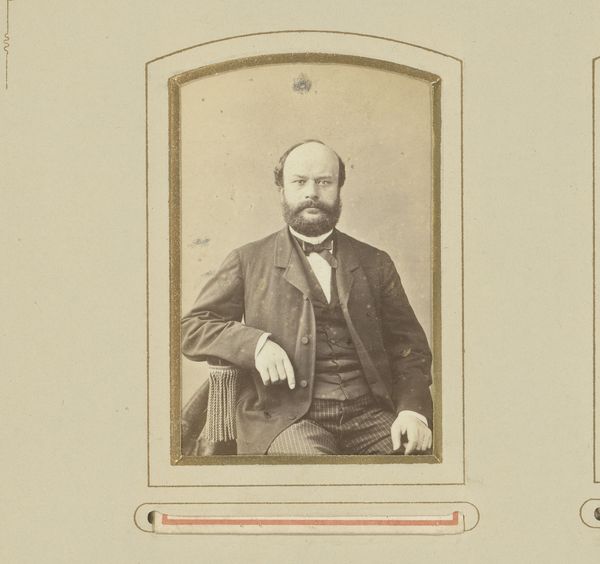
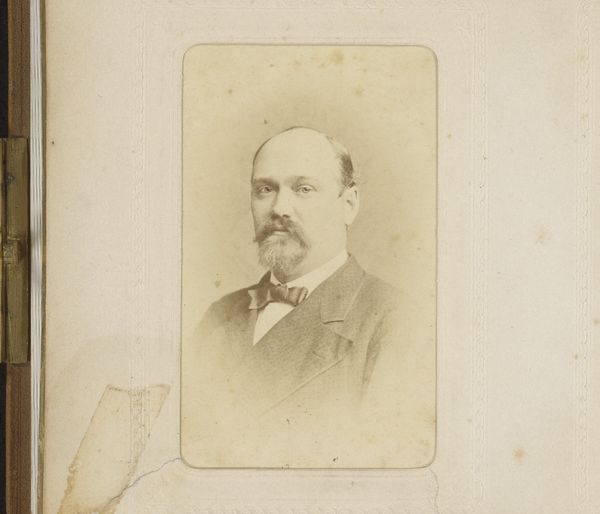
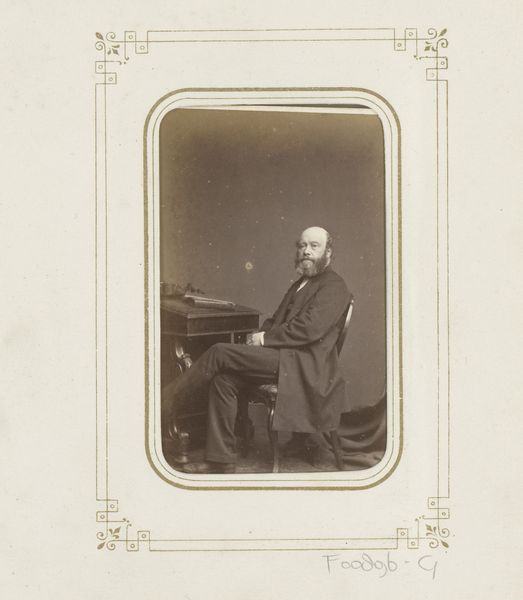
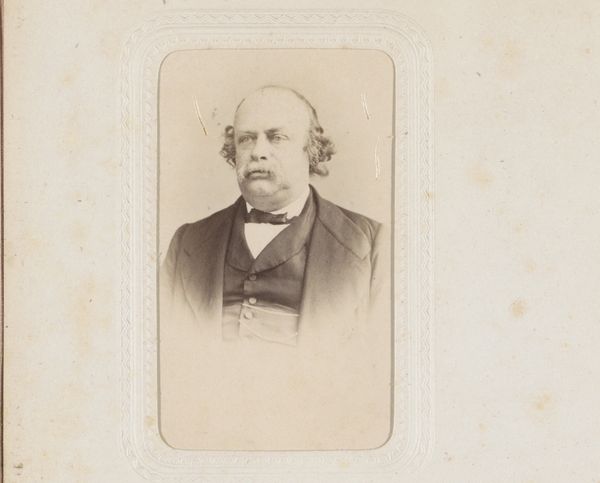
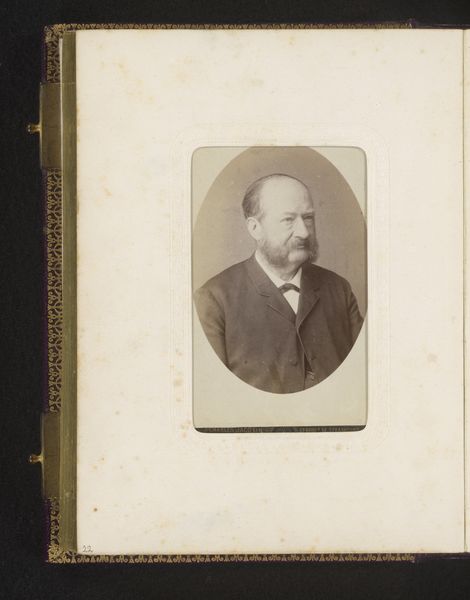
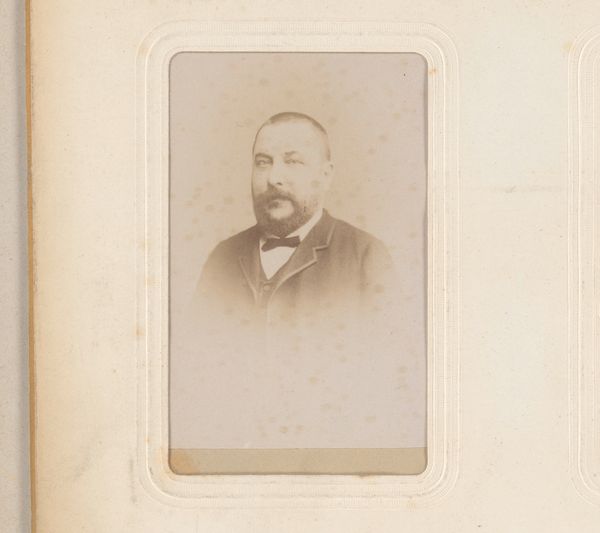
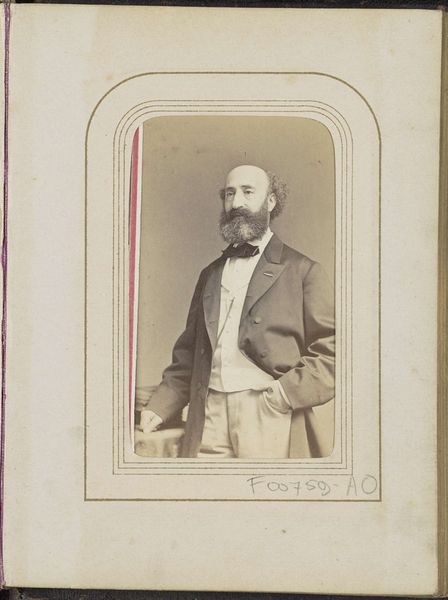
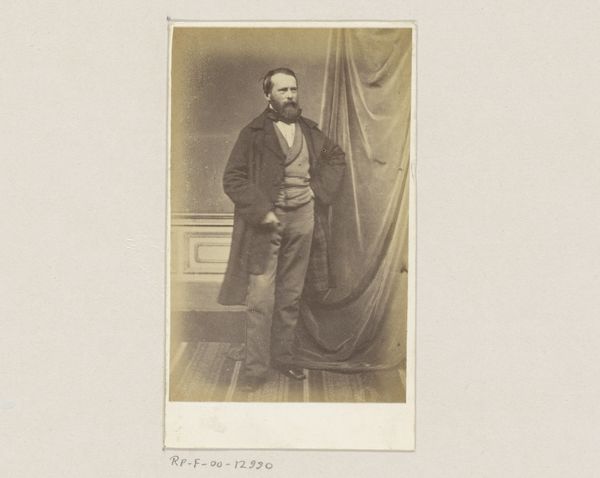
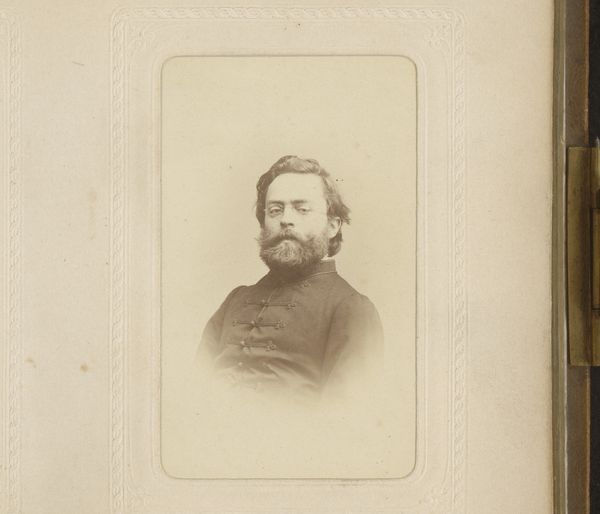
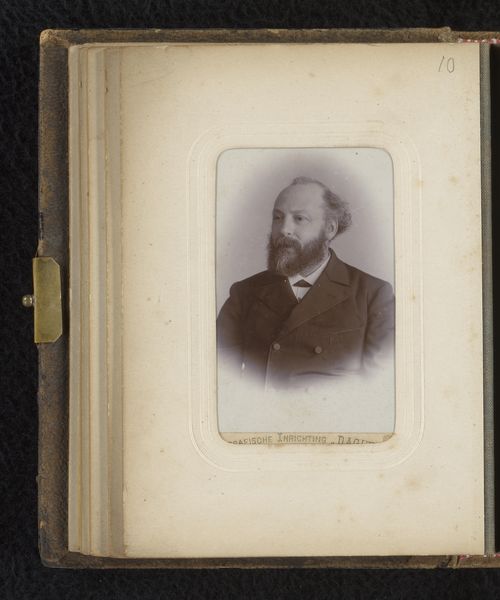
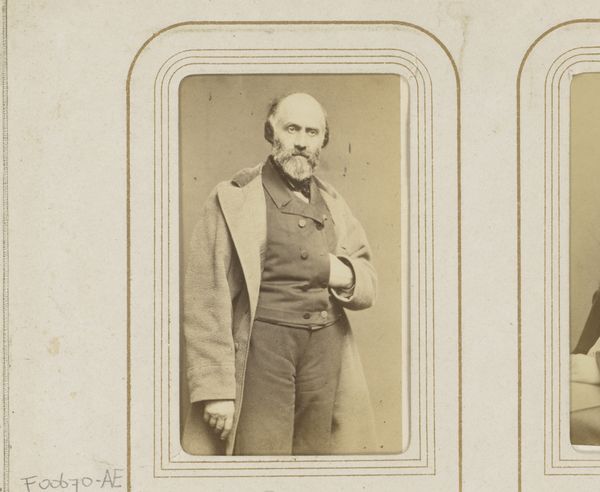
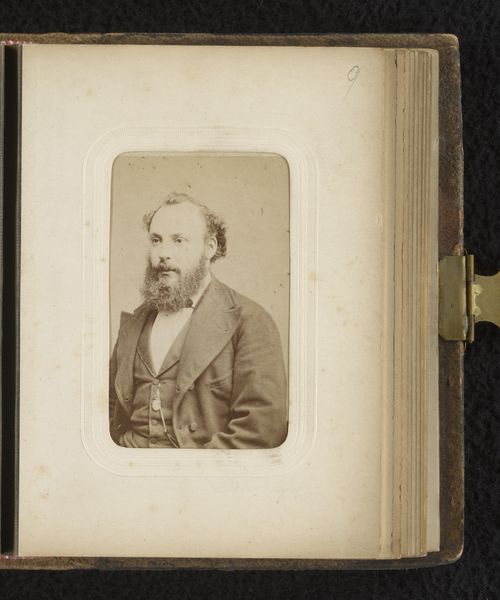
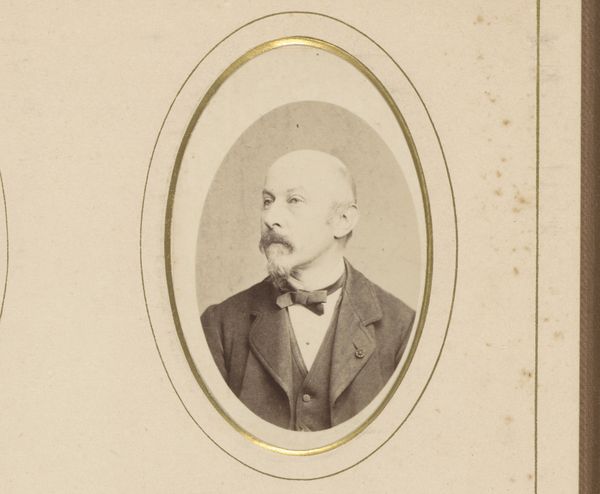
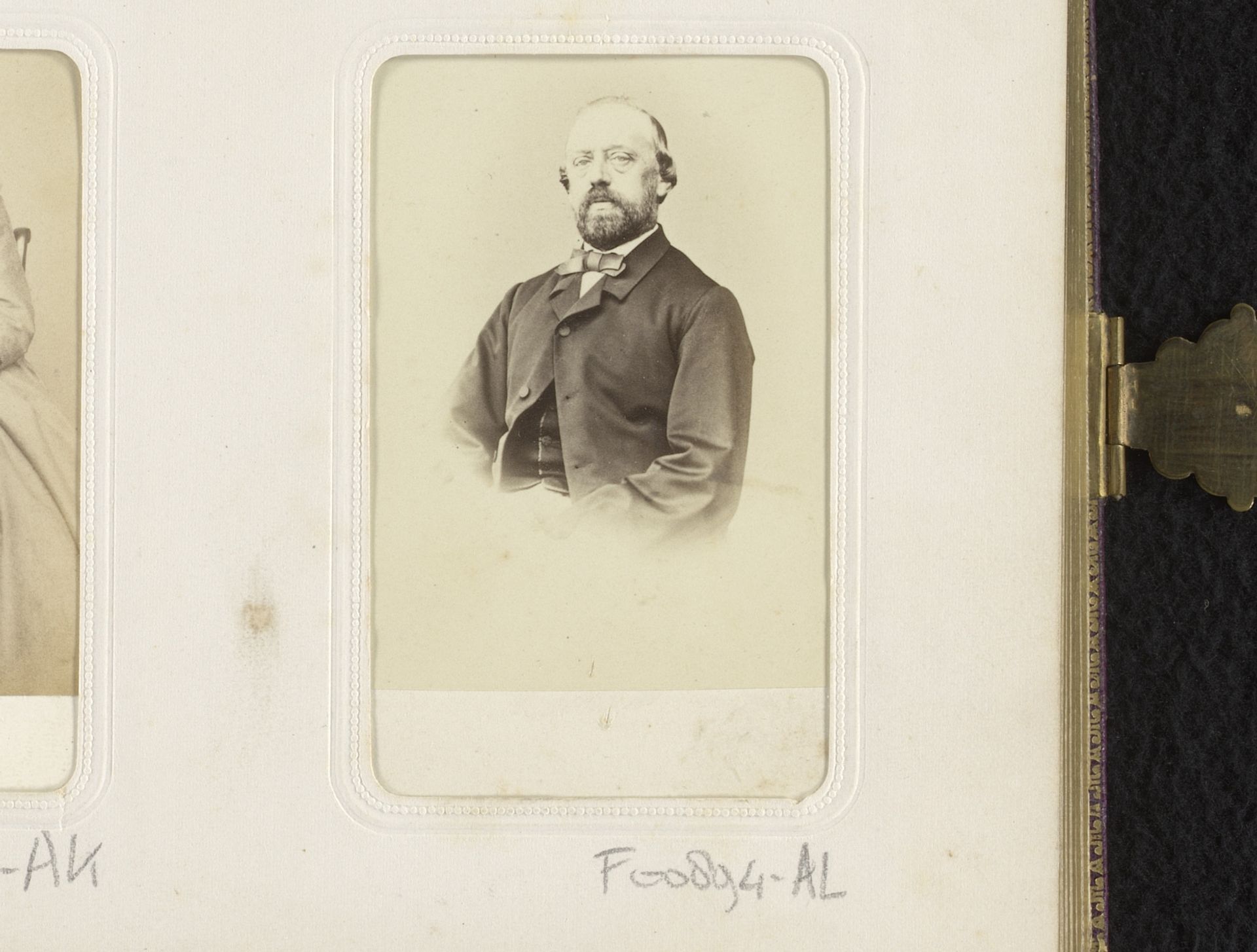
Editor: This gelatin silver print, "Portret van een man," attributed to Fritz Hüsig, probably from the late 19th century, feels so formal, doesn't it? Almost like a historical record. What do you see in this piece beyond just a portrait of a man? Curator: Absolutely, it's more than just an individual likeness. The very act of portraiture, particularly in the late 19th century, was loaded with meaning. It signified a certain level of social standing and a desire for visibility within the broader social fabric. The sitter’s pose, the suit, even the presence of what appears to be hand-painted watercolor enhancements, all contribute to constructing a specific identity for public consumption. Editor: So, you're saying this image is a constructed identity? Almost like a performance of self? Curator: Precisely. Think about the power dynamics at play. Who was being photographed? Who was commissioning these portraits? What narratives were they trying to reinforce or subvert? Considering photography's relative novelty at the time, its adoption by specific social strata speaks volumes about its perceived value in solidifying social hierarchies. It's a statement. And, I wonder what statement the artist might be making through their composition or treatment of the subject. Editor: That makes me think about how access to photography wasn’t equally distributed back then. Curator: Exactly! Examining whose stories are being told, and, more importantly, whose aren't, unveils the prevailing biases and power structures of the era. What does this portrait tell us, and what does it actively conceal or omit about other segments of society? Editor: I never thought about photography in that light before. It's much more complex than just taking a picture. Curator: It’s a visual language, always shaped by the social and historical context in which it’s produced. Analyzing these photographs with a critical eye reveals the intricate connections between art, identity, and power. Editor: I'll definitely look at these old portraits differently now. Thanks for pointing that out!