About this artwork
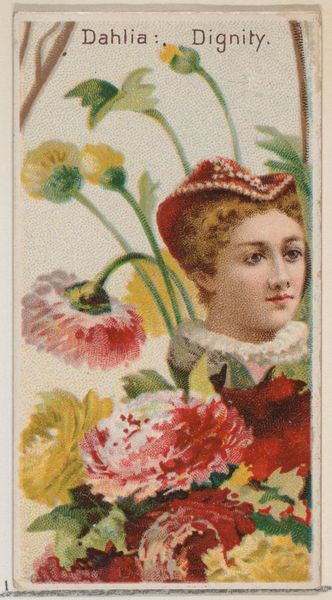
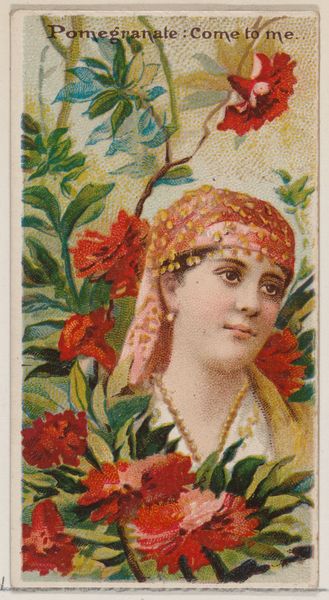
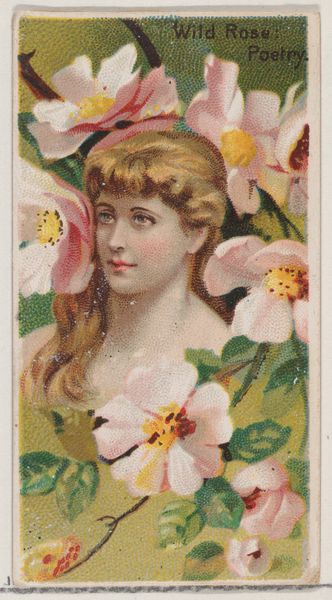
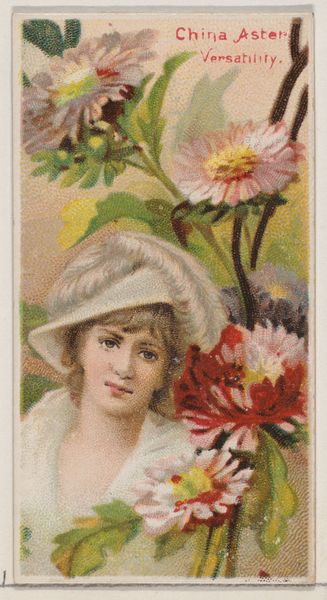
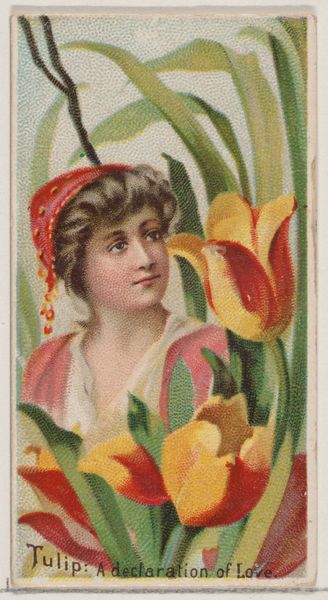
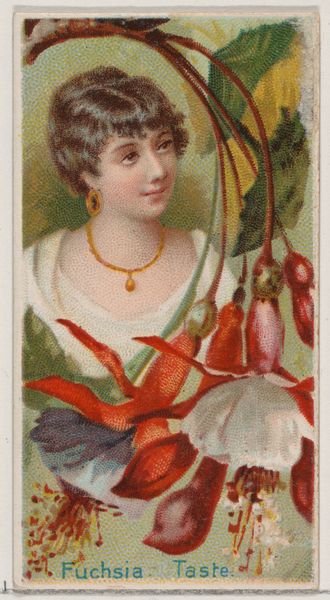
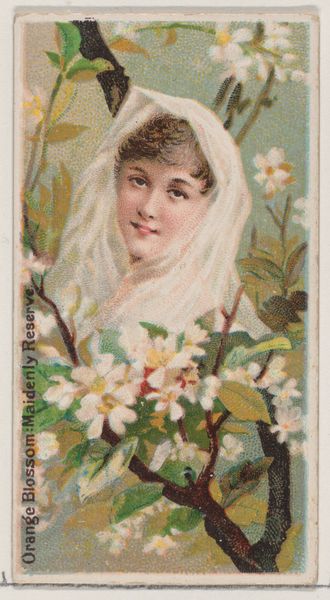
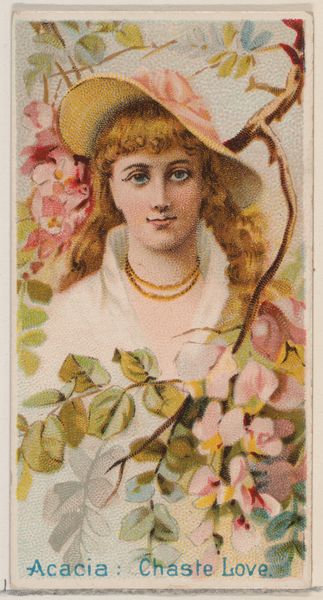
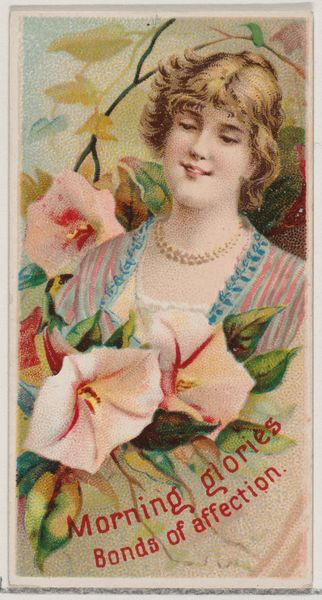
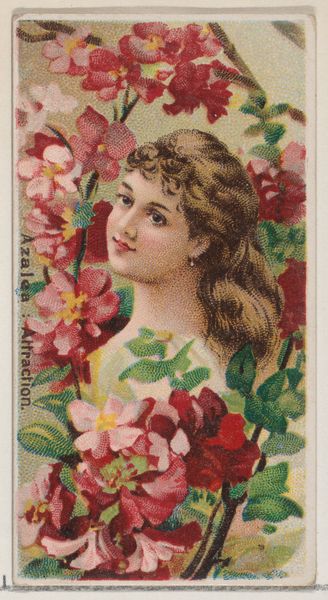
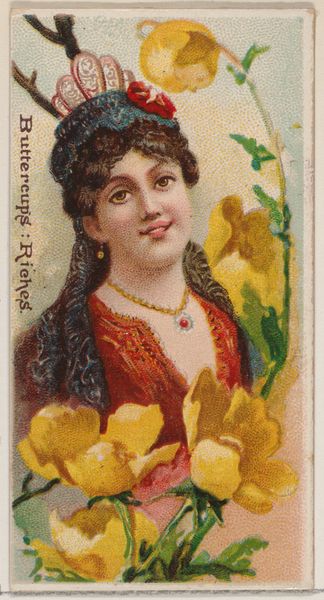
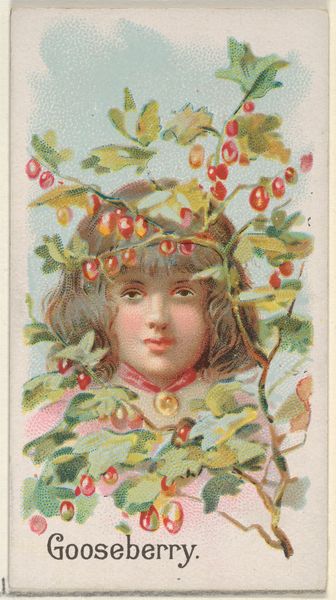
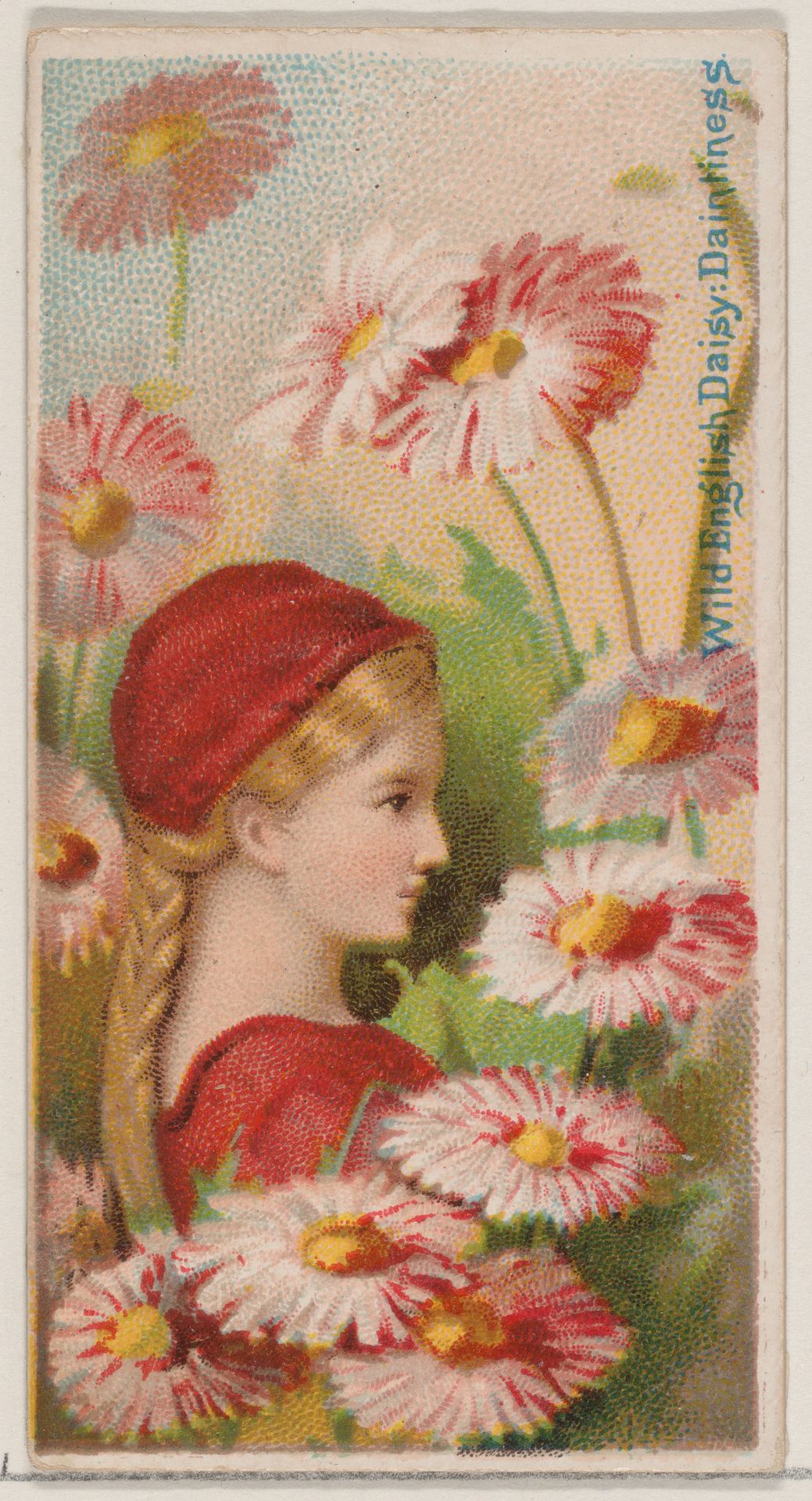
This small promotional card, printed by the American Tobacco Company, equates a ‘Wild English Daisy’ with ‘Daintiness.’ These cards were included in packs of Duke brand cigarettes. The late 19th century saw the emergence of mass marketing. Looking at this image, we can see how it uses visual codes to create meaning. The young girl embodies ideas about beauty, youth, and innocence. Such imagery was used in advertising to associate certain brands with the qualities that were valorized by society. Tobacco companies were active in shaping the visual culture of the United States, and it is interesting to see how the natural world was mobilized in this project. Art history is not just about understanding individual artworks, but about understanding the wider forces that shape the production and reception of art. Primary source material, such as company records and advertising ephemera, can help us to understand this artwork better.
Wild English Daisy: Daintiness, from the series Floral Beauties and Language of Flowers (N75) for Duke brand cigarettes
1892

American Tobacco Company
@americantobaccocompany
The Metropolitan Museum of Art
Metropolitan Museum of Art, New York, NYArtwork details
- Dimensions
- Sheet: 2 3/4 × 1 1/2 in. (7 × 3.8 cm)
- Location
- Metropolitan Museum of Art, New York, NY
- Copyright
- Public Domain
Comments
Share your thoughts
About this artwork
This small promotional card, printed by the American Tobacco Company, equates a ‘Wild English Daisy’ with ‘Daintiness.’ These cards were included in packs of Duke brand cigarettes. The late 19th century saw the emergence of mass marketing. Looking at this image, we can see how it uses visual codes to create meaning. The young girl embodies ideas about beauty, youth, and innocence. Such imagery was used in advertising to associate certain brands with the qualities that were valorized by society. Tobacco companies were active in shaping the visual culture of the United States, and it is interesting to see how the natural world was mobilized in this project. Art history is not just about understanding individual artworks, but about understanding the wider forces that shape the production and reception of art. Primary source material, such as company records and advertising ephemera, can help us to understand this artwork better.
Comments
Share your thoughts