About this artwork
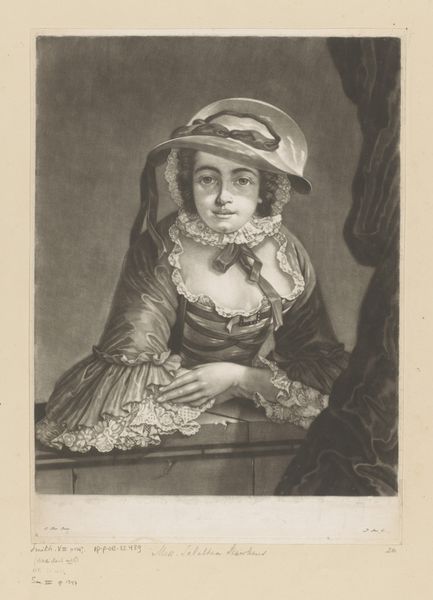
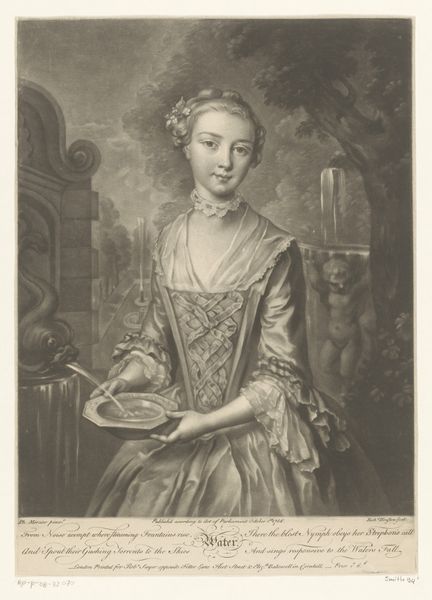
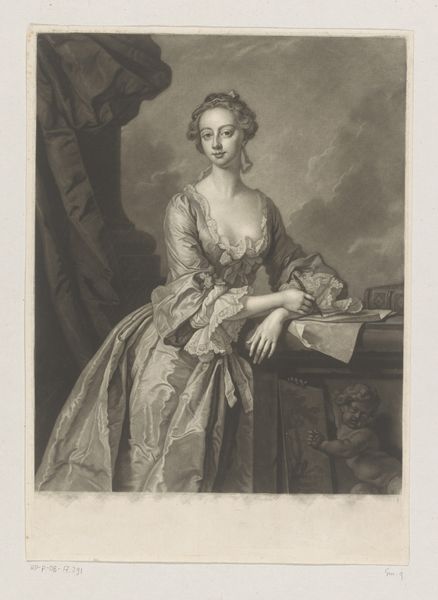
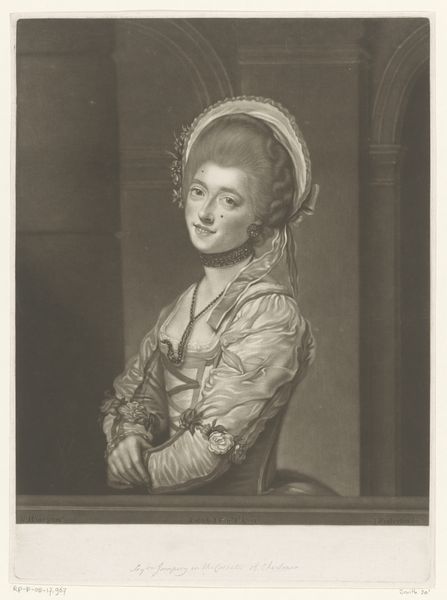
James McArdell created this mezzotint, “Portrait of an unknown woman, theedrinkend,” in the 18th century. Tea drinking in the 1700s was more than a simple habit, it was a social ritual, laden with cultural and political implications, especially for women of the upper class. Here, McArdell captures a woman in the act of leisurely sipping tea. The image reflects the global trade dynamics of the time, where tea became a commodity associated with wealth and status. Yet, this seemingly benign image also invokes the complex history of colonialism and exploitation that facilitated the tea trade. The woman's gaze, both direct and elusive, brings an emotional depth. Is she complicit, or simply a product of her time? This portrait provides an interesting lens to consider the intersections of personal pleasure, gendered expectations, and the larger socio-political systems at play. It encourages us to reflect on how our everyday choices are often intertwined with broader historical narratives.
Portret van een onbekende vrouw, theedrinkend c. 1756s

James McArdell
1729 - 1765Location
RijksmuseumArtwork details
- Medium
- drawing, paper, engraving
- Dimensions
- height 354 mm, width 252 mm
- Location
- Rijksmuseum
- Copyright
- Rijks Museum: Open Domain
Tags
portrait
drawing
pencil sketch
charcoal drawing
paper
pencil drawing
portrait drawing
engraving
rococo
Comments
No comments
About this artwork
James McArdell created this mezzotint, “Portrait of an unknown woman, theedrinkend,” in the 18th century. Tea drinking in the 1700s was more than a simple habit, it was a social ritual, laden with cultural and political implications, especially for women of the upper class. Here, McArdell captures a woman in the act of leisurely sipping tea. The image reflects the global trade dynamics of the time, where tea became a commodity associated with wealth and status. Yet, this seemingly benign image also invokes the complex history of colonialism and exploitation that facilitated the tea trade. The woman's gaze, both direct and elusive, brings an emotional depth. Is she complicit, or simply a product of her time? This portrait provides an interesting lens to consider the intersections of personal pleasure, gendered expectations, and the larger socio-political systems at play. It encourages us to reflect on how our everyday choices are often intertwined with broader historical narratives.
Comments
No comments