1655 - 1737
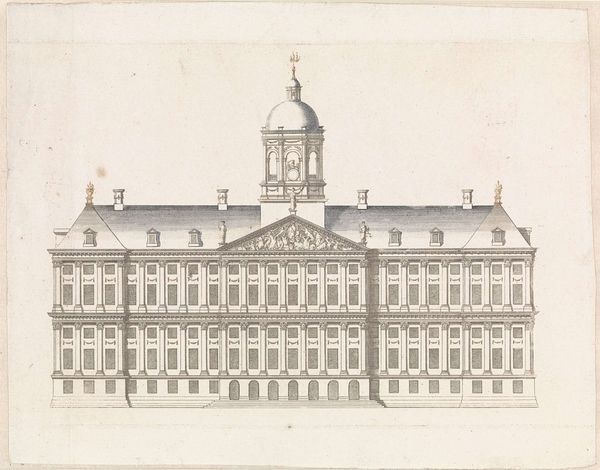
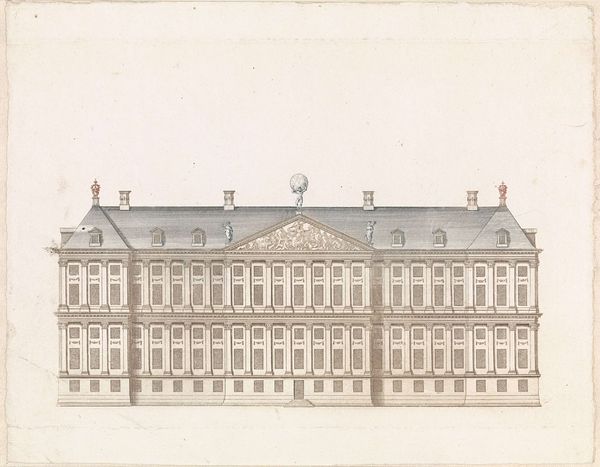
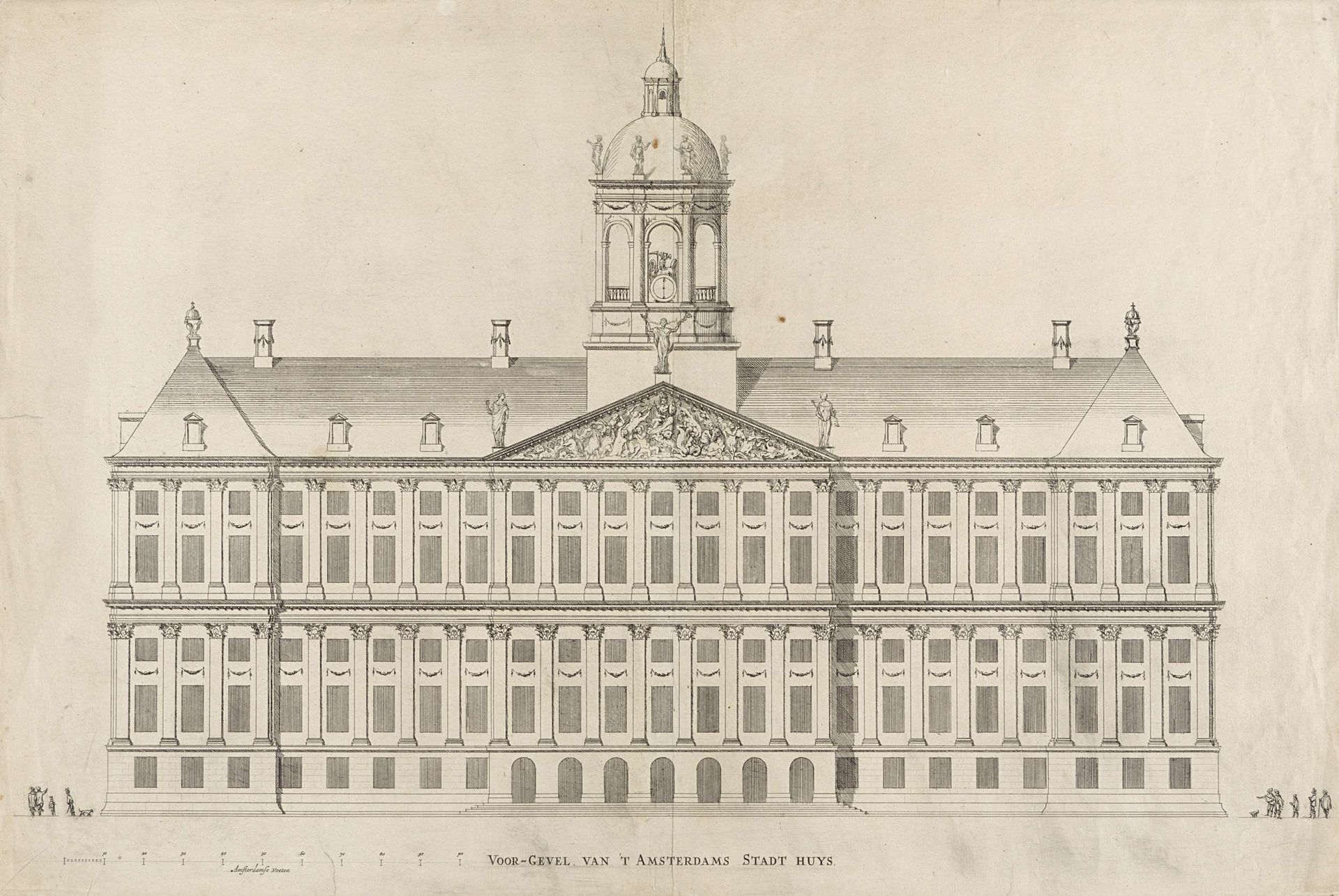
Voorgevel van het Stadhuis op de Dam

Hubert Quellinus
1619 - 1687Location
RijksmuseumListen to curator's interpretation
Curatorial notes
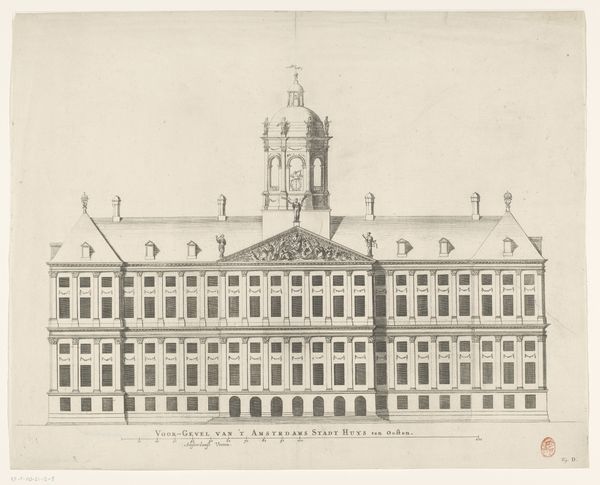
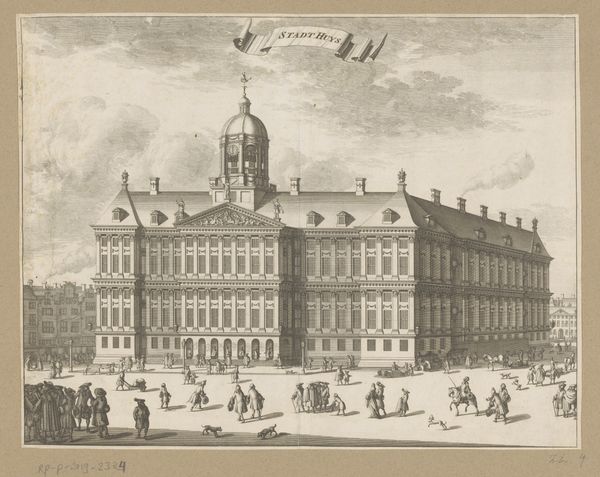
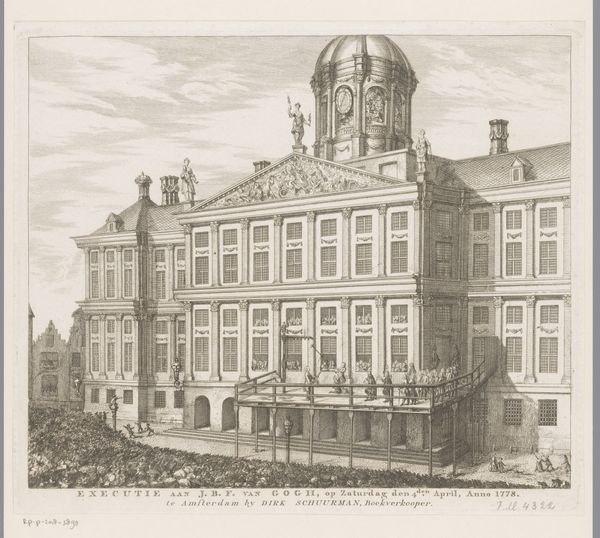
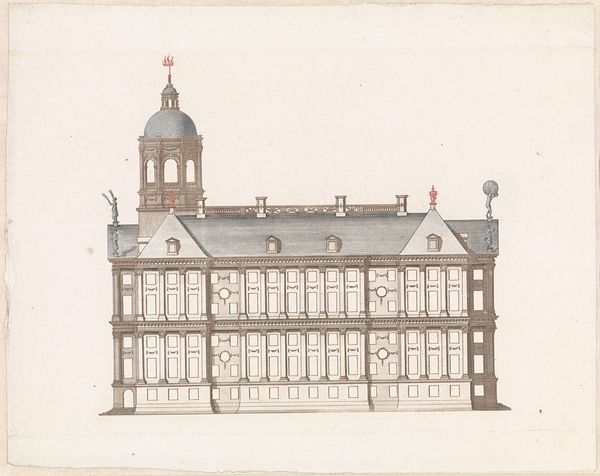
Hubert Quellinus created this detailed rendering of the front of the Stadhuis, or Town Hall, in Amsterdam using pen and brown ink, likely sometime in the mid-17th century. Amsterdam in the Dutch Golden Age was a city bustling with trade and marked by a unique civic identity. The Stadhuis, now the Royal Palace, was the epicenter of the city’s administrative and judicial functions. But it was also a stage for public life. It symbolized Amsterdam’s republican values and its dominance in global commerce, which, of course, relied on colonial exploitation and the labor of enslaved people. Quellinus’s drawing captures the building’s imposing facade, emphasizing its classical architectural elements and allegorical sculptures which were intended to project an image of power, stability, and justice. The meticulous detail speaks to the pride and investment that the city had in this architectural project. In its representation, the drawing echoes the era’s complex intersections of wealth, power, and ethical compromise.