print, paper, engraving
#
portrait
#
neoclacissism
# print
#
paper
#
group-portraits
#
academic-art
#
italian-renaissance
#
engraving
Dimensions: height 249 mm, width 196 mm, height 347 mm, width 494 mm
Copyright: Rijks Museum: Open Domain
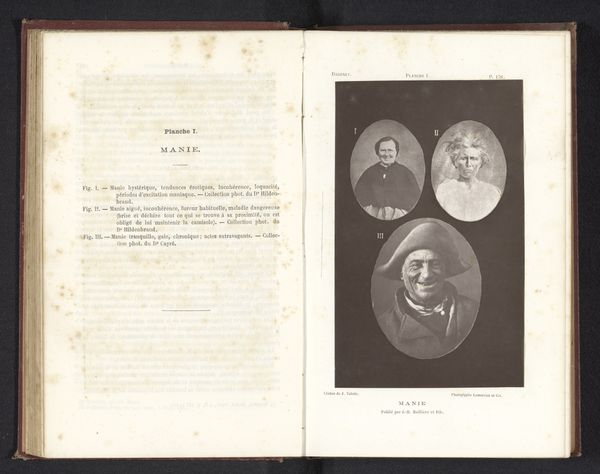
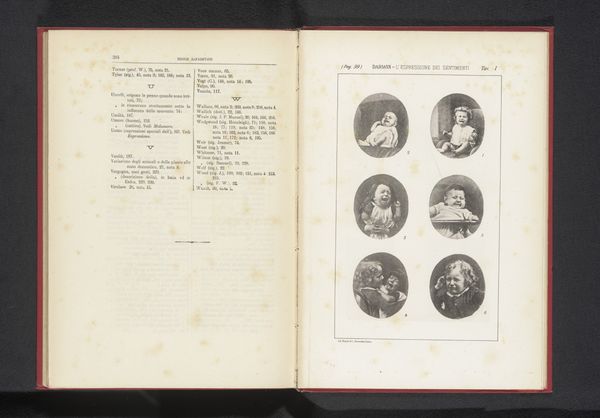
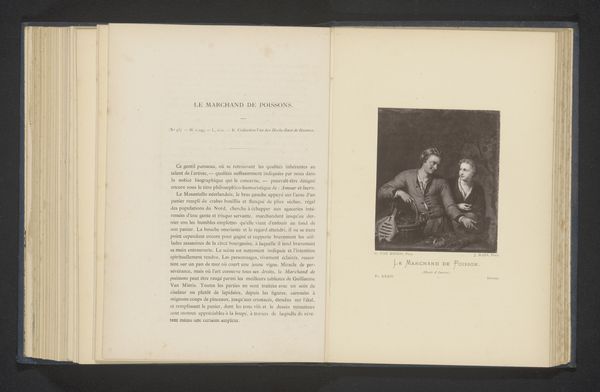
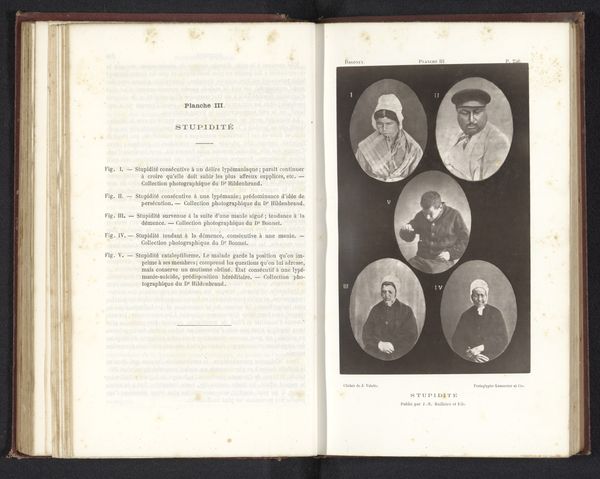
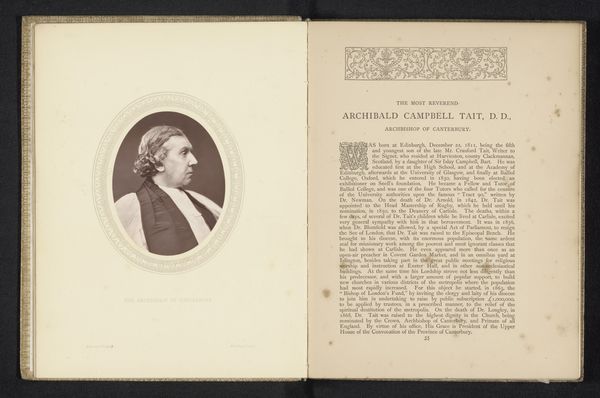
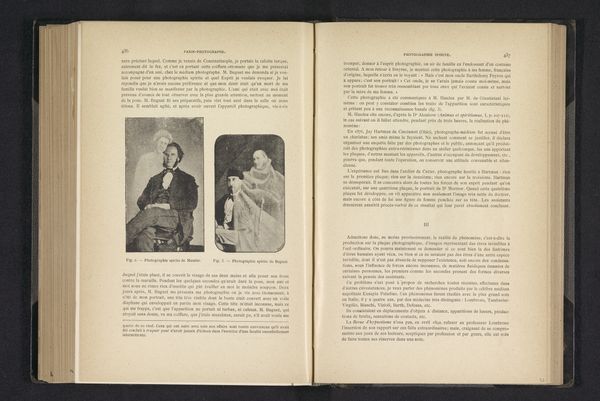
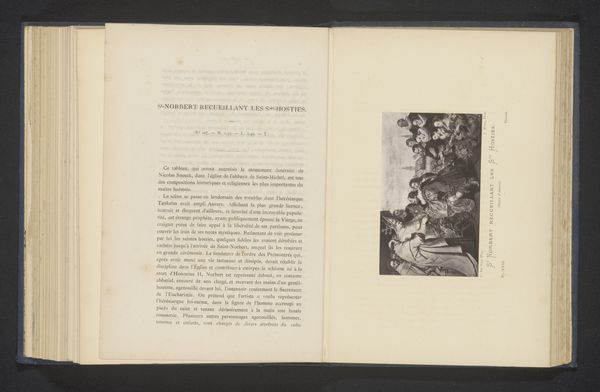
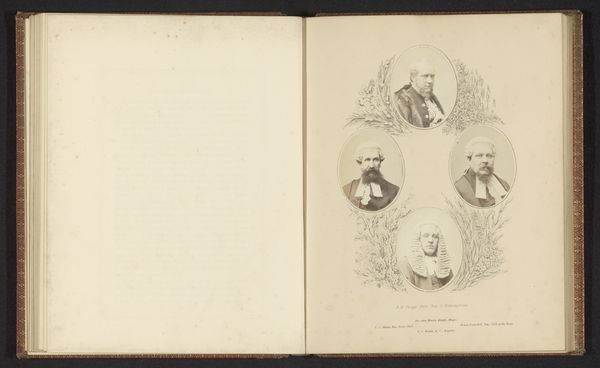
Editor: This engraving from 1809 by Domenico Piaggio is titled "Portraits of Ottavio Giovanni Battista Assarotti and five students." I am really intrigued by how this print immortalizes this teacher, Assarotti, amidst his pupils, but it also uses an archaic format and design that predates the time when it was made. How should we read this choice, as part of the overall political environment for the Deaf and mute? Curator: That's an interesting observation. Think about the institutional framework surrounding the depiction. Piaggio creates a visual argument, connecting Assarotti, who established schools for the deaf, with enlightenment ideals of progress, civic responsibility, and, especially, reform. He’s not just portraying individuals, he's also presenting Assarotti as a heroic figure and his educational project as fundamentally good for society. Editor: So, placing him with his students emphasizes a theme of advancement? Curator: Precisely. It is crucial to acknowledge that portrayals of individuals, specifically those from marginalized communities, historically had the power to shape social attitudes and acceptance. The engraving plays a part in promoting public support for the school. Also, consider this in terms of the academic visual tradition during the Napoleonic reign and after: what did the establishment demand or praise? This composition seems very calculated, right? Editor: Right, academic in the sense that it's making a statement as much as documenting likeness. How interesting that its artistry shapes political will. Curator: Exactly. Recognizing that interrelation deepens our appreciation of this historical artwork and the artist's underlying motivations.
Comments
No comments
Be the first to comment and join the conversation on the ultimate creative platform.
 Collect
 React
React Comment
More like this