About this artwork
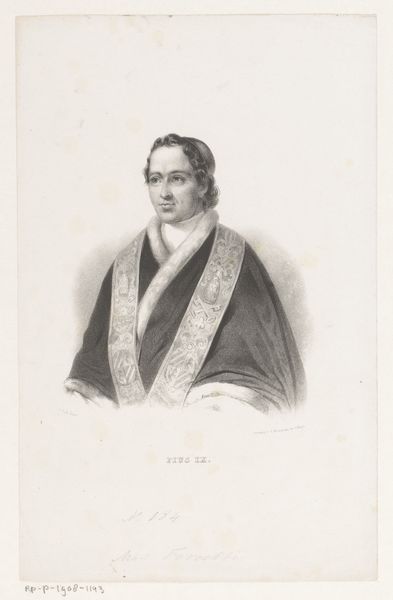
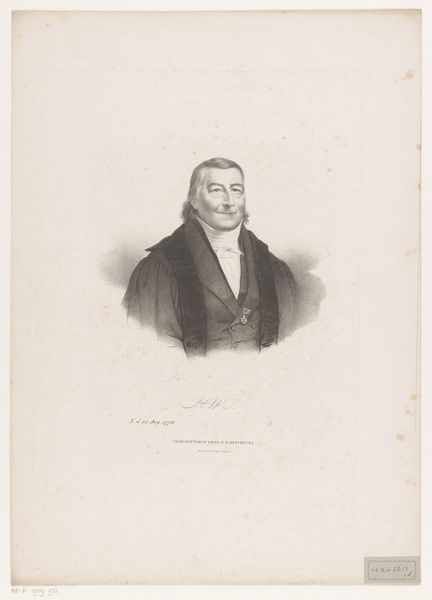
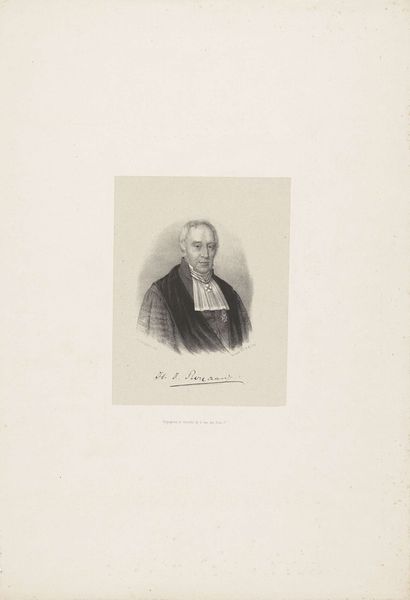
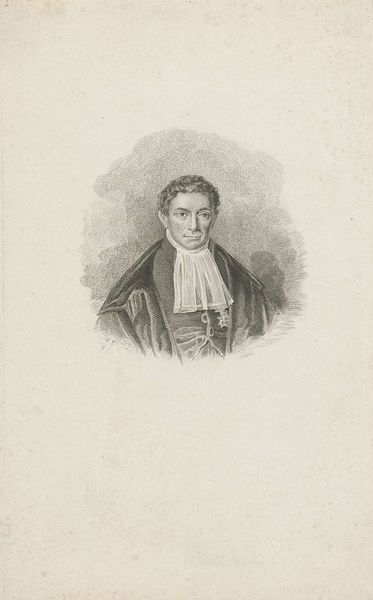
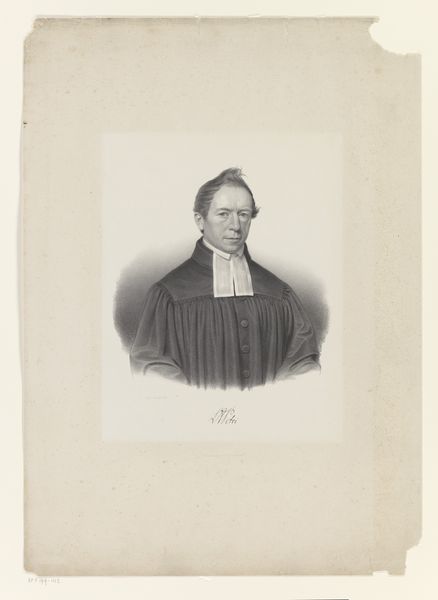
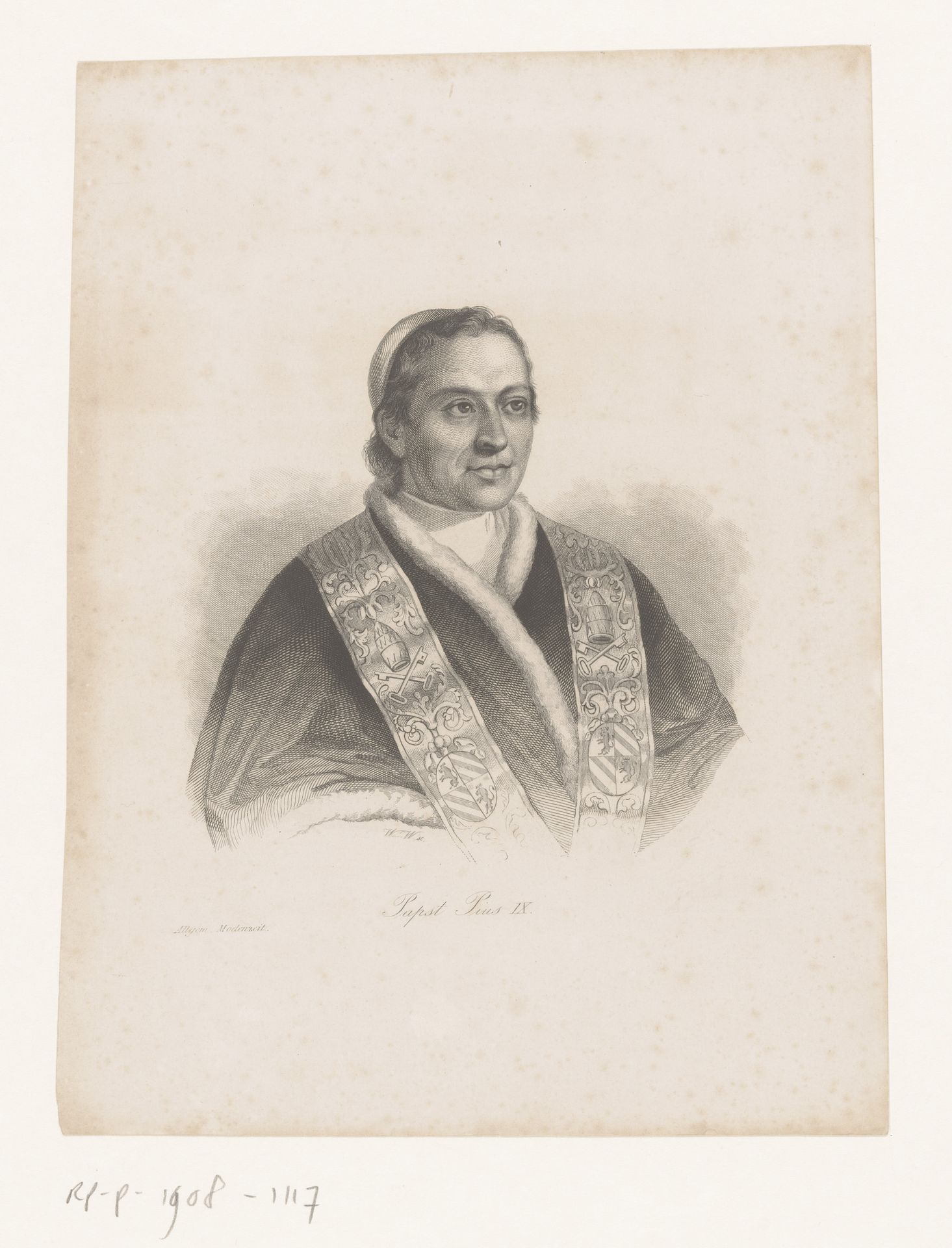
This is a portrait of Pius IX by an engraver known only by the initials WW. Note the pallium he wears, a vestment rich with symbolic weight. The cross-inscribed band echoes motifs seen in ancient Roman senatorial garments and Byzantine imperial robes, each a potent symbol of authority. These archetypes of power are not confined to their original contexts. Consider how similar symbols reappear in the attire of medieval monarchs and even in modern-day judicial robes. The act of draping oneself in symbolic garments resonates deeply within the collective unconscious. Perhaps it is to cloak oneself in the mantle of historical legitimacy, or maybe to evoke a sense of unbroken continuity through the ages. The very fabric of power is interwoven with threads of cultural memory. The motif of the draped garment is not static; it evolves, adapts, and resurfaces, imbued with new meanings while retaining echoes of its ancient origins.

Artwork details
- Medium
- print, engraving
- Dimensions
- height 276 mm, width 207 mm
- Copyright
- Rijks Museum: Open Domain
Tags
Comments
Share your thoughts
About this artwork
This is a portrait of Pius IX by an engraver known only by the initials WW. Note the pallium he wears, a vestment rich with symbolic weight. The cross-inscribed band echoes motifs seen in ancient Roman senatorial garments and Byzantine imperial robes, each a potent symbol of authority. These archetypes of power are not confined to their original contexts. Consider how similar symbols reappear in the attire of medieval monarchs and even in modern-day judicial robes. The act of draping oneself in symbolic garments resonates deeply within the collective unconscious. Perhaps it is to cloak oneself in the mantle of historical legitimacy, or maybe to evoke a sense of unbroken continuity through the ages. The very fabric of power is interwoven with threads of cultural memory. The motif of the draped garment is not static; it evolves, adapts, and resurfaces, imbued with new meanings while retaining echoes of its ancient origins.
Comments
Share your thoughts