About this artwork
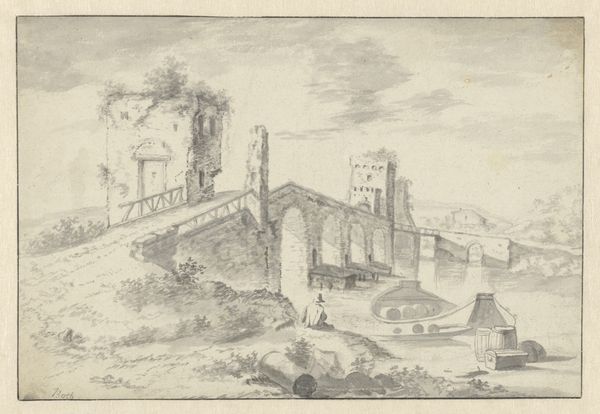
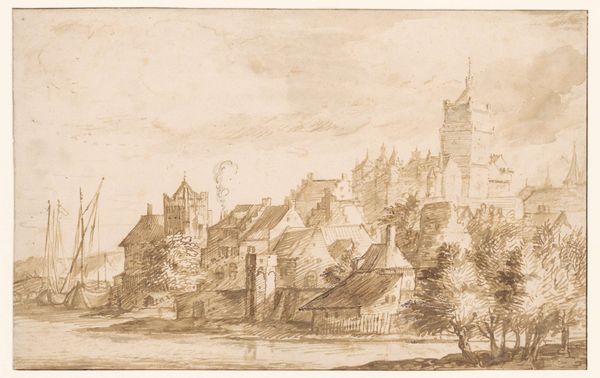
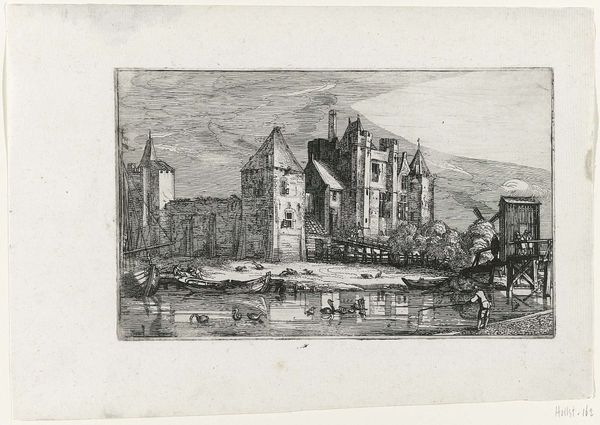
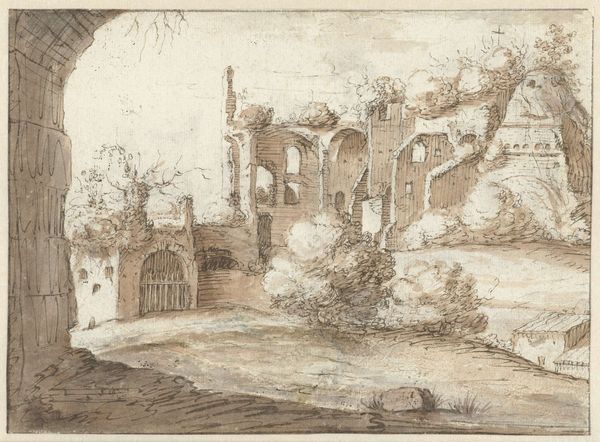
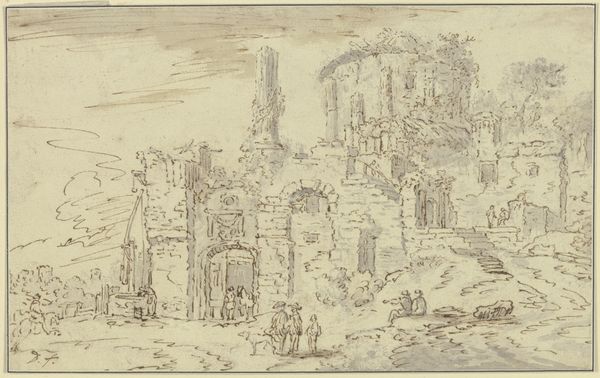
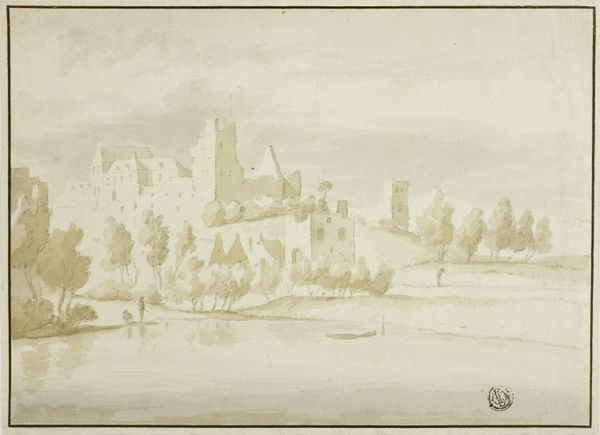
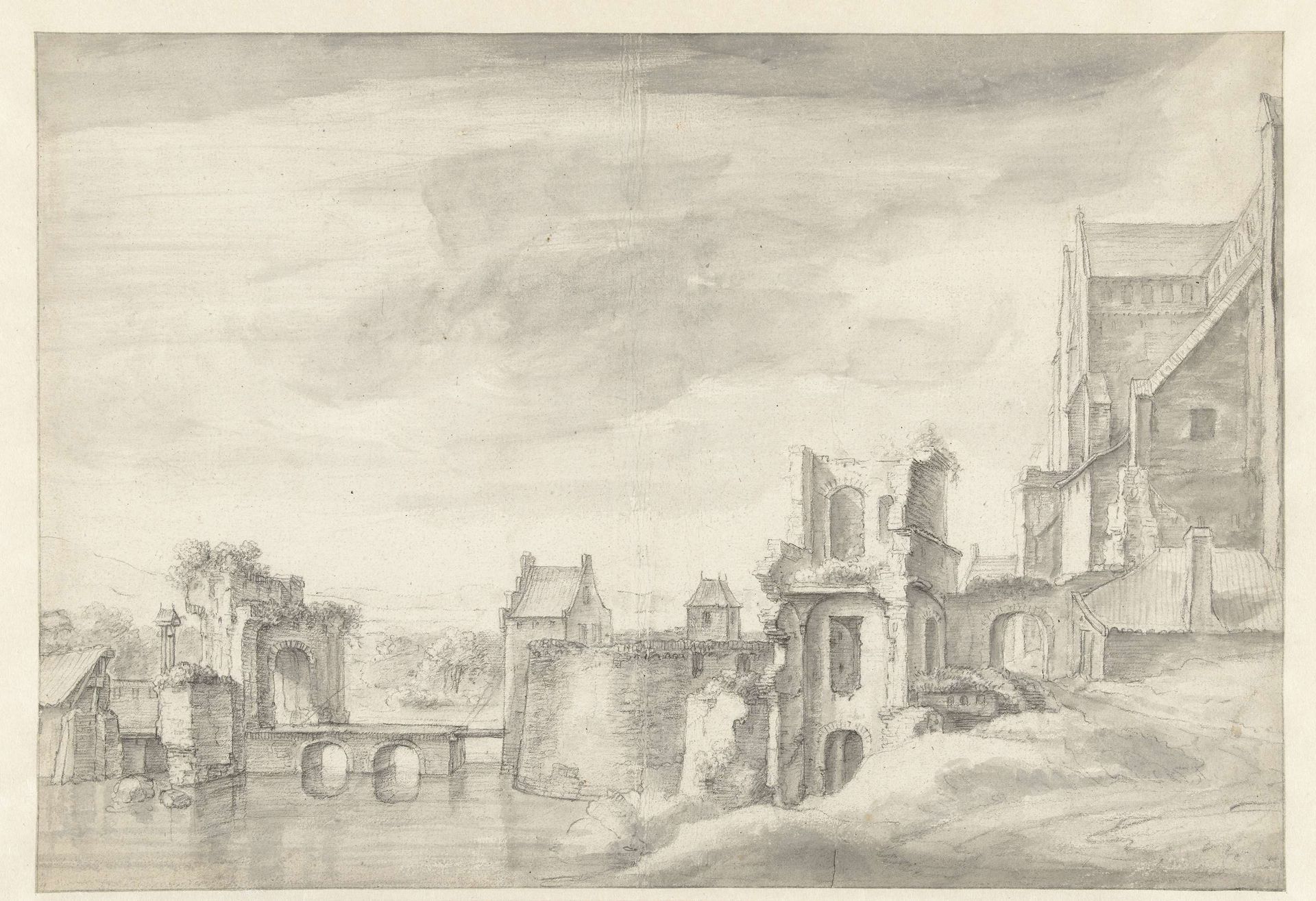
This drawing of riverside ruins, possibly St. Walburgkerk in Arnhem, was created by Anthonie Waterloo sometime in the 17th century. The eye is immediately drawn to the delicate pencil strokes that define the crumbling architecture and the reflections shimmering on the water’s surface. Waterloo masterfully uses line and shading to convey a sense of decay. The ruins are rendered with a meticulous attention to detail, while the subtle gradations in tone create depth and atmosphere. The composition is carefully balanced, with the ruins anchoring the foreground and the river receding into the distance. The drawing invites us to contemplate the passage of time and the ephemerality of human achievements. It also highlights the aesthetic qualities of decay. Ultimately, Waterloo's drawing reminds us that art offers a unique lens through which to examine our relationship with history.
Gezicht op ruïnes aan een rivieroever (St. Walburgkerk te Arnhem?)
c. 1619 - 1690

Anthonie Waterloo
1610 - 1690Location
RijksmuseumArtwork details
- Medium
- drawing, paper, ink, pencil
- Dimensions
- height 334 mm, width 483 mm
- Location
- Rijksmuseum
- Copyright
- Rijks Museum: Open Domain
Tags
Comments
Share your thoughts
About this artwork
This drawing of riverside ruins, possibly St. Walburgkerk in Arnhem, was created by Anthonie Waterloo sometime in the 17th century. The eye is immediately drawn to the delicate pencil strokes that define the crumbling architecture and the reflections shimmering on the water’s surface. Waterloo masterfully uses line and shading to convey a sense of decay. The ruins are rendered with a meticulous attention to detail, while the subtle gradations in tone create depth and atmosphere. The composition is carefully balanced, with the ruins anchoring the foreground and the river receding into the distance. The drawing invites us to contemplate the passage of time and the ephemerality of human achievements. It also highlights the aesthetic qualities of decay. Ultimately, Waterloo's drawing reminds us that art offers a unique lens through which to examine our relationship with history.
Comments
Share your thoughts