About this artwork
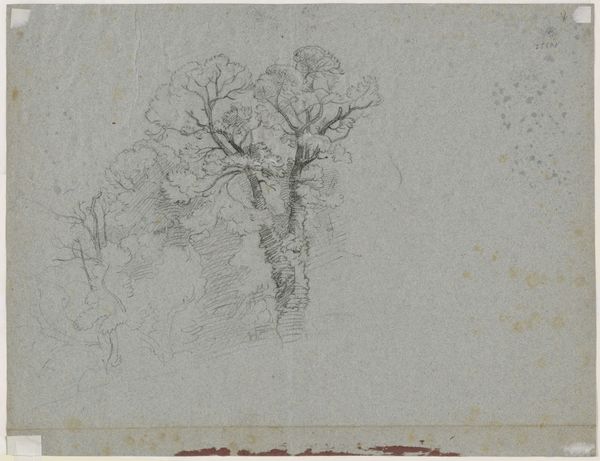
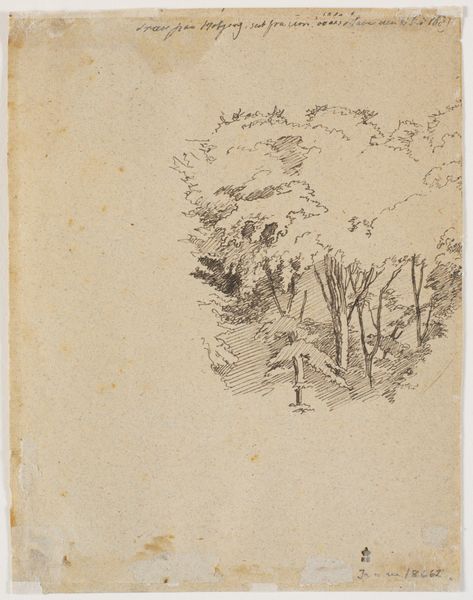
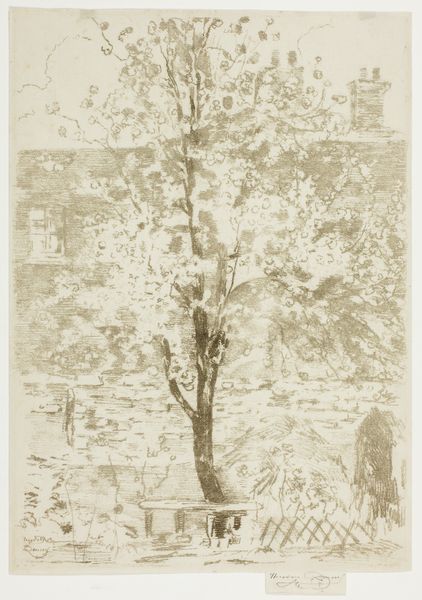
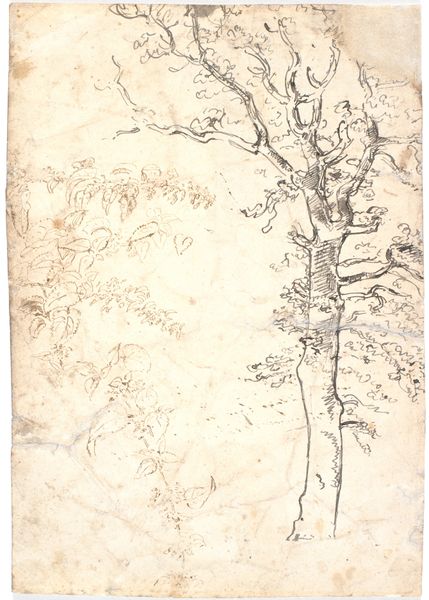
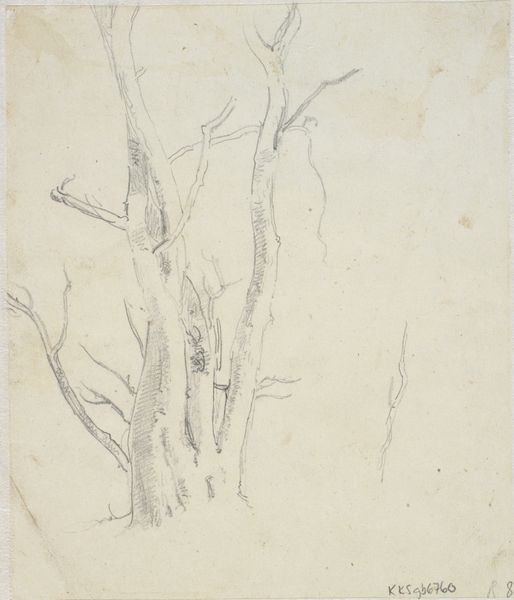
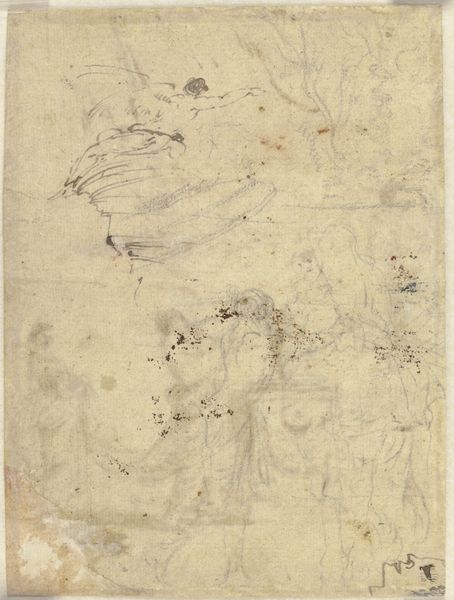
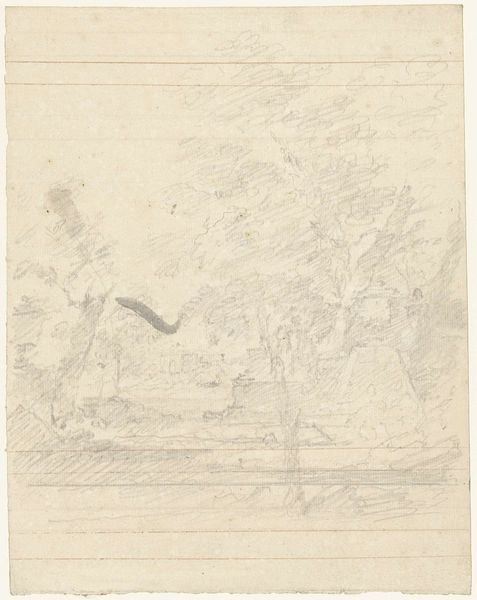
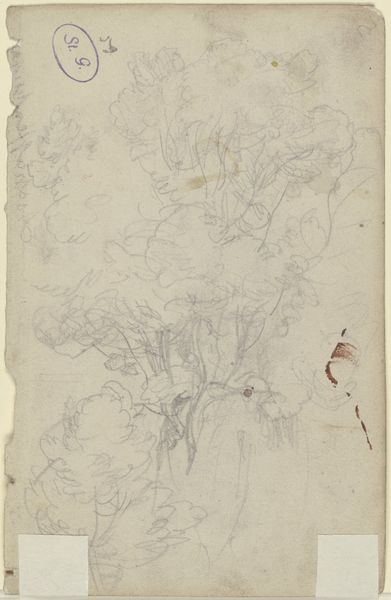
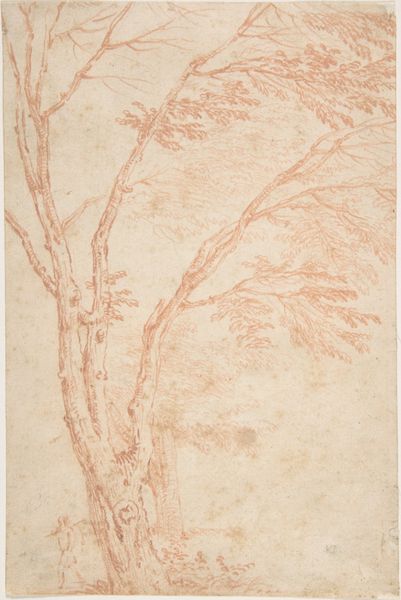
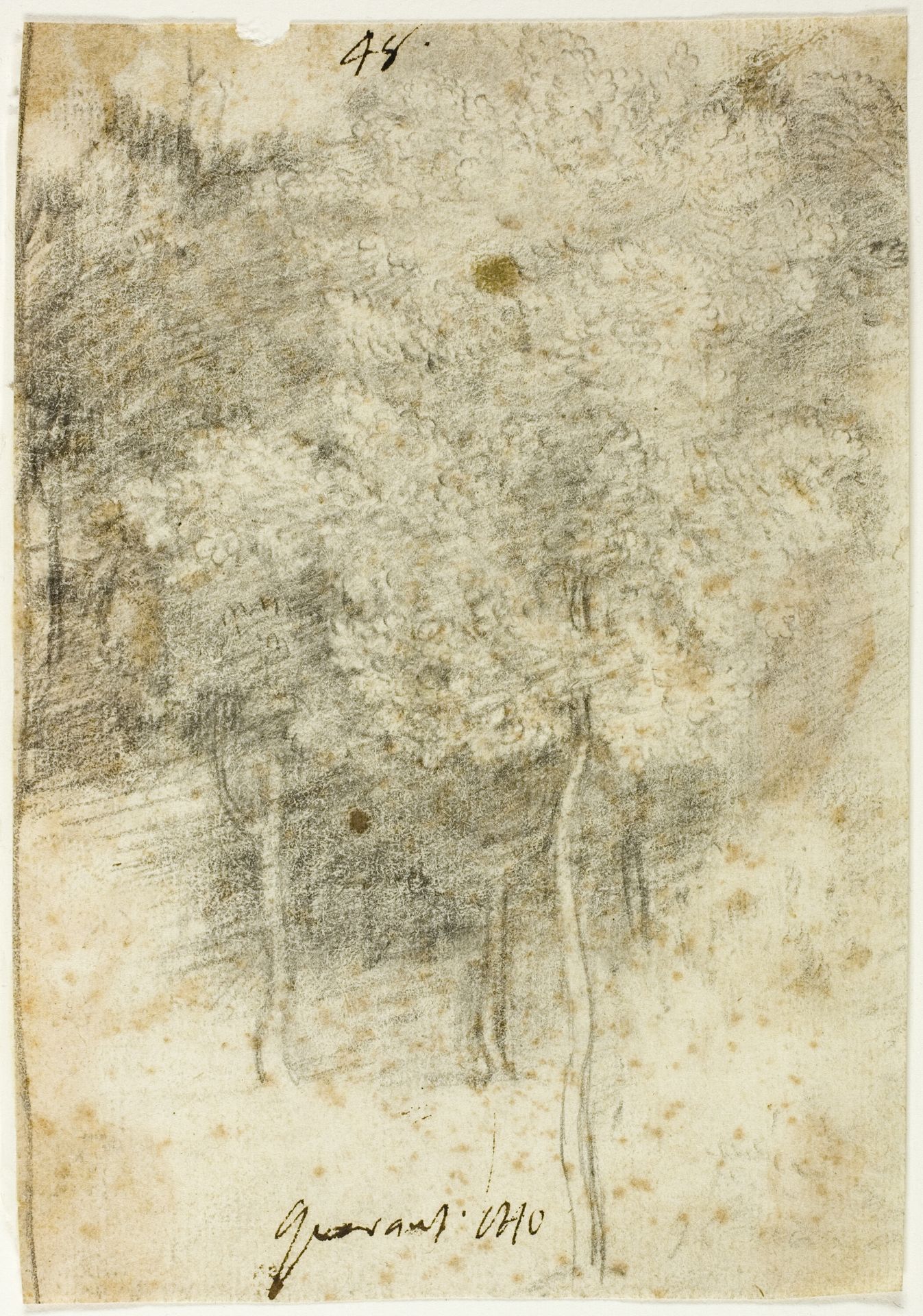
Federico Barocci made this drawing, Grove of Trees, with charcoal and white chalk on laid paper. As a rapidly executed sketch, the drawing represents a quick study from nature, a practice that gained prominence during the Renaissance. Made in Italy, we can interpret this drawing through the lens of the artistic conventions and social values of the time. In the 16th century, Italian artists increasingly emphasized direct observation of the natural world. This shift reflected a broader humanist interest in empirical knowledge and a growing appreciation for the beauty and complexity of the natural world. Drawings like this were often made in preparation for larger paintings or as independent works of art, valued for their immediacy and expressive potential. To fully understand a work like this, we might look into the artist's biography, studies of period drawing techniques, and the social and philosophical context of the time. The meaning of art is always contingent on its time.
Grove of Trees
1600 - 1612


Artwork details
- Medium
- drawing, print, paper, chalk
- Dimensions
- 269 × 118 mm
- Location
- The Art Institute of Chicago
- Copyright
- Public Domain
Tags
Comments
Share your thoughts
About this artwork
Federico Barocci made this drawing, Grove of Trees, with charcoal and white chalk on laid paper. As a rapidly executed sketch, the drawing represents a quick study from nature, a practice that gained prominence during the Renaissance. Made in Italy, we can interpret this drawing through the lens of the artistic conventions and social values of the time. In the 16th century, Italian artists increasingly emphasized direct observation of the natural world. This shift reflected a broader humanist interest in empirical knowledge and a growing appreciation for the beauty and complexity of the natural world. Drawings like this were often made in preparation for larger paintings or as independent works of art, valued for their immediacy and expressive potential. To fully understand a work like this, we might look into the artist's biography, studies of period drawing techniques, and the social and philosophical context of the time. The meaning of art is always contingent on its time.
Comments
Share your thoughts