About this artwork
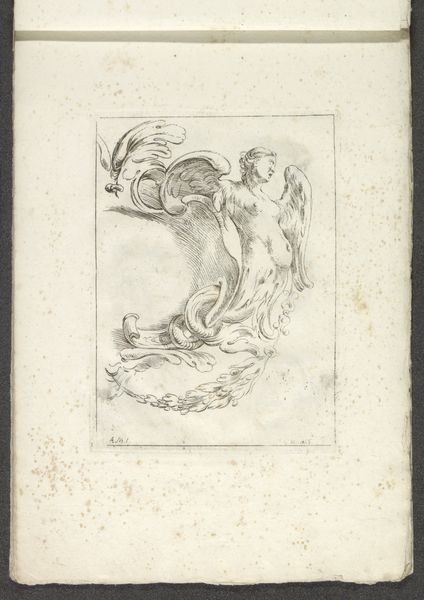
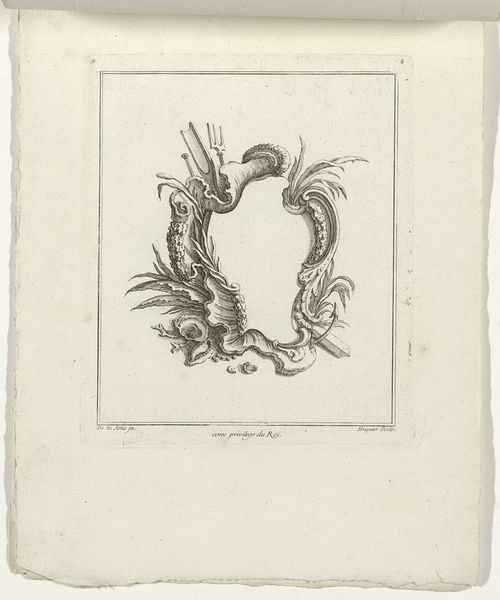
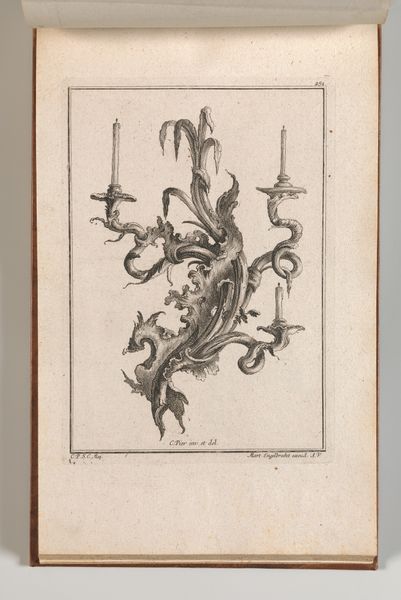
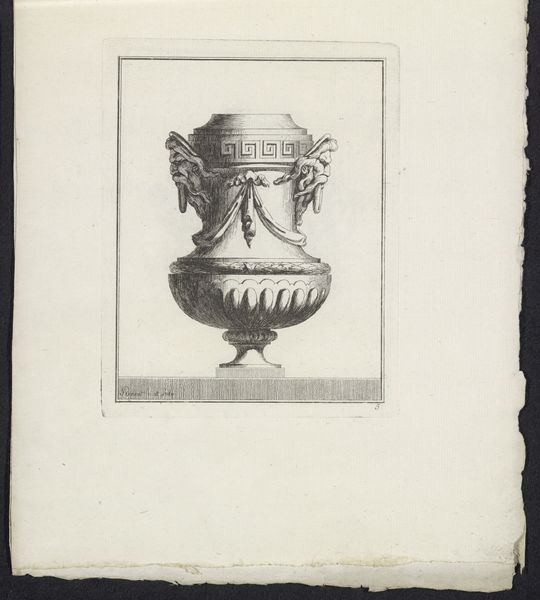
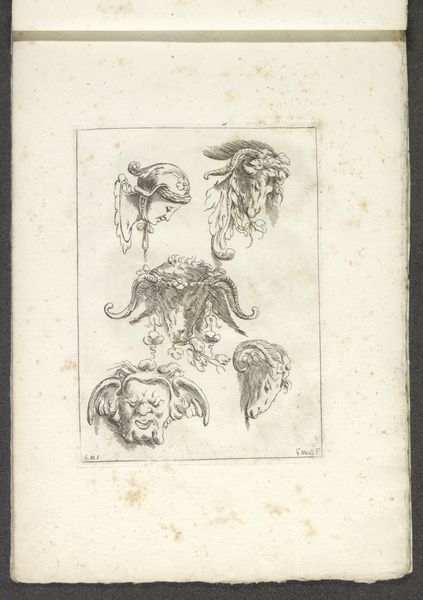
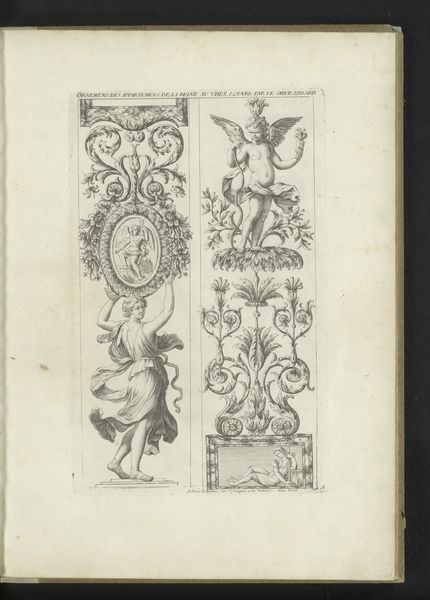
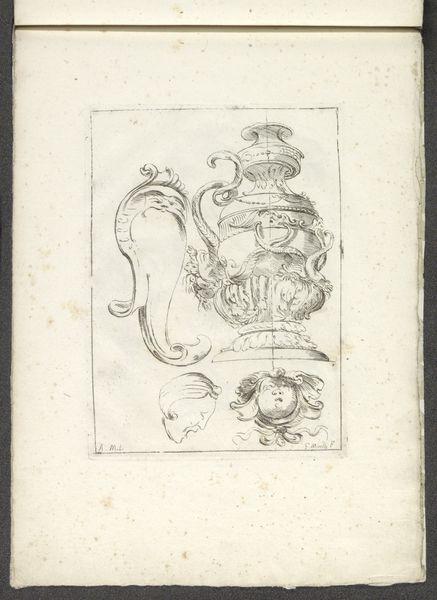
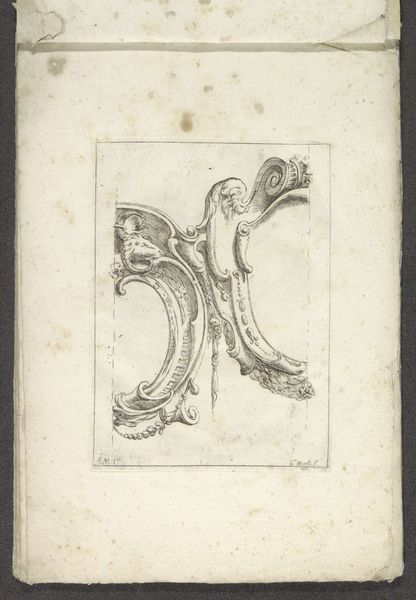
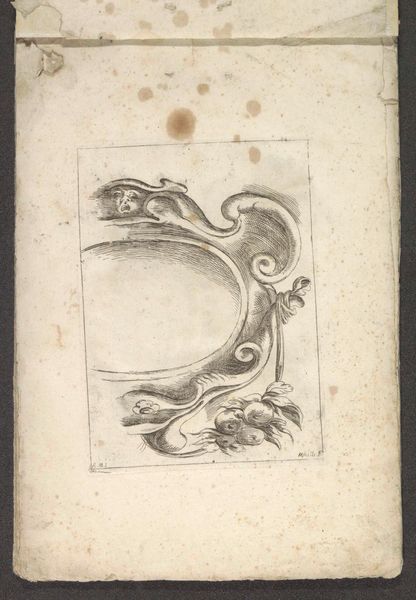
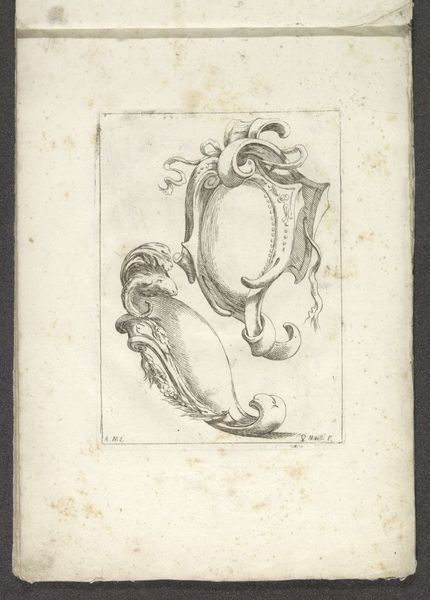
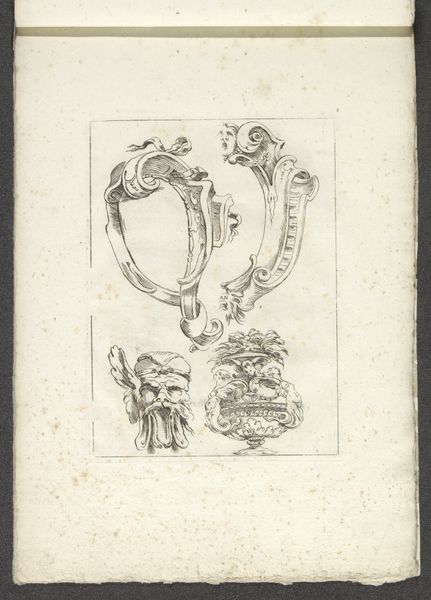
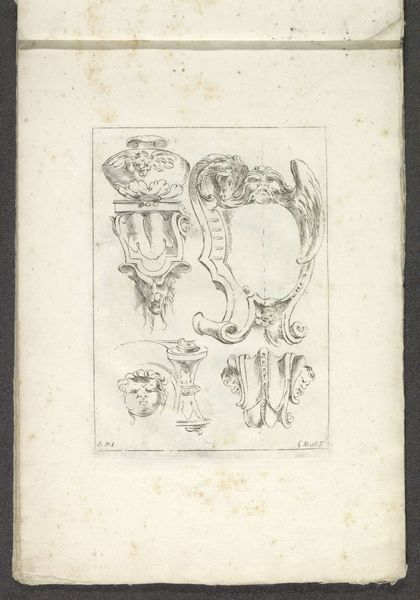
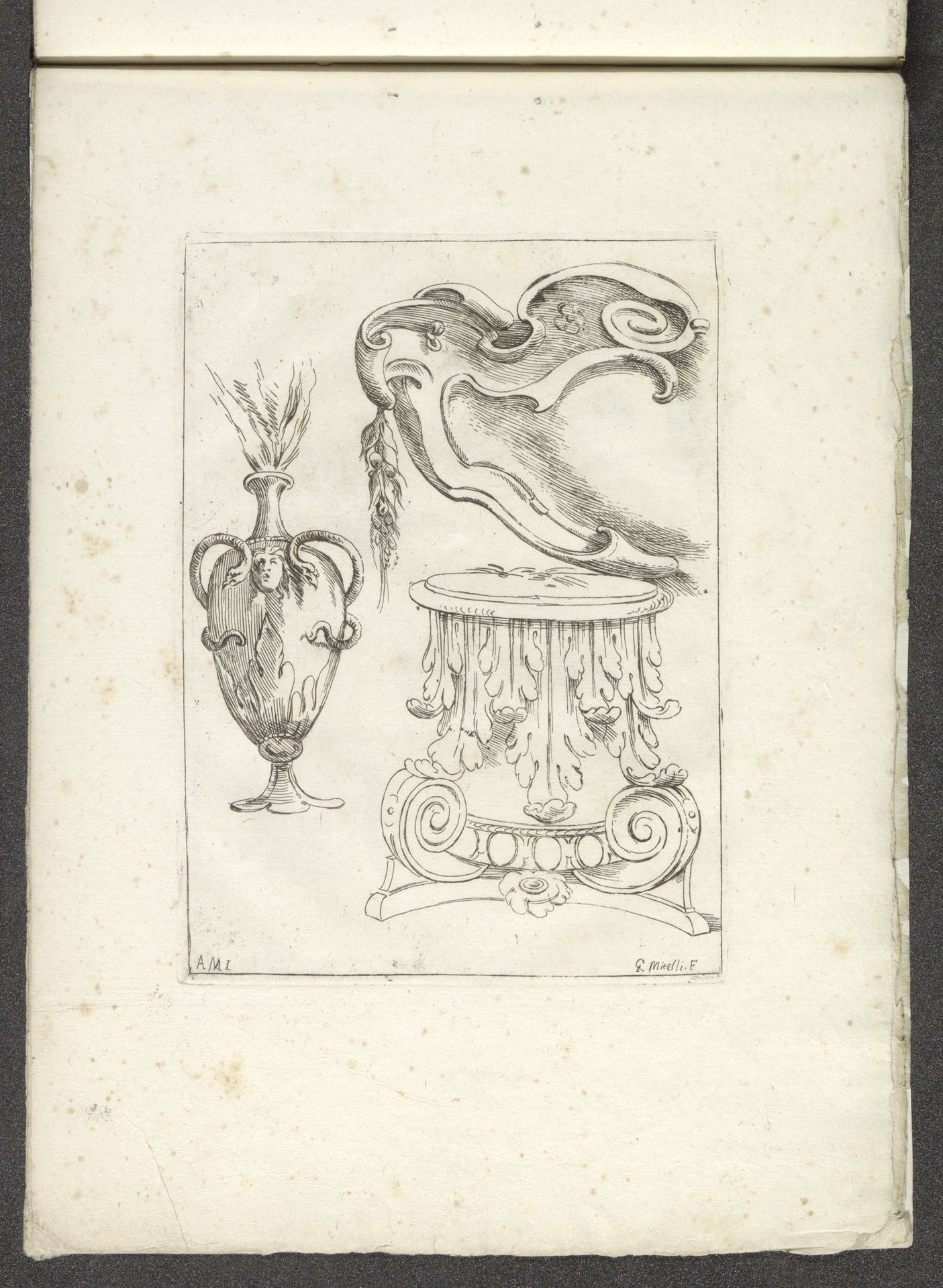
Giuseppe Maria Mitelli created this print, titled 'Vaas, cartouche en kapiteel', sometime in the 17th or early 18th century. Mitelli lived in Bologna, Italy, and was known for his prolific output of prints, often depicting scenes from daily life, historical events, and, as we see here, decorative ornaments. Consider how class distinctions play out even in ornament: these designs would have been available to a wide audience through prints, but the objects themselves – vases, cartouches, capitals – would adorn the homes and buildings of the wealthy. Mitelli's detailed engravings allow us to imagine the world of Baroque Italy, a society defined by its rigid hierarchies and extravagant displays of wealth. Notice the vase, crowned with foliage, and the ornate cartouche, ripe with possibility. What stories might they tell? The artist's decision to render these objects in print democratizes their image, allowing anyone to possess a piece of this opulent world, if only on paper.

Artwork details
- Medium
- drawing, ink
- Dimensions
- height 190 mm, width 138 mm
- Location
- Rijksmuseum
- Copyright
- Rijks Museum: Open Domain
Tags
Comments
Share your thoughts
About this artwork
Giuseppe Maria Mitelli created this print, titled 'Vaas, cartouche en kapiteel', sometime in the 17th or early 18th century. Mitelli lived in Bologna, Italy, and was known for his prolific output of prints, often depicting scenes from daily life, historical events, and, as we see here, decorative ornaments. Consider how class distinctions play out even in ornament: these designs would have been available to a wide audience through prints, but the objects themselves – vases, cartouches, capitals – would adorn the homes and buildings of the wealthy. Mitelli's detailed engravings allow us to imagine the world of Baroque Italy, a society defined by its rigid hierarchies and extravagant displays of wealth. Notice the vase, crowned with foliage, and the ornate cartouche, ripe with possibility. What stories might they tell? The artist's decision to render these objects in print democratizes their image, allowing anyone to possess a piece of this opulent world, if only on paper.
Comments
Share your thoughts